












Description
Kraft Meat Packaging Boxes For Clean Handling
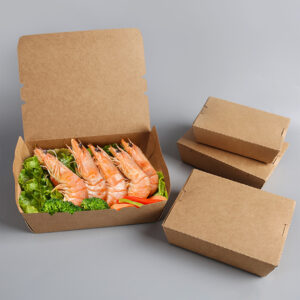
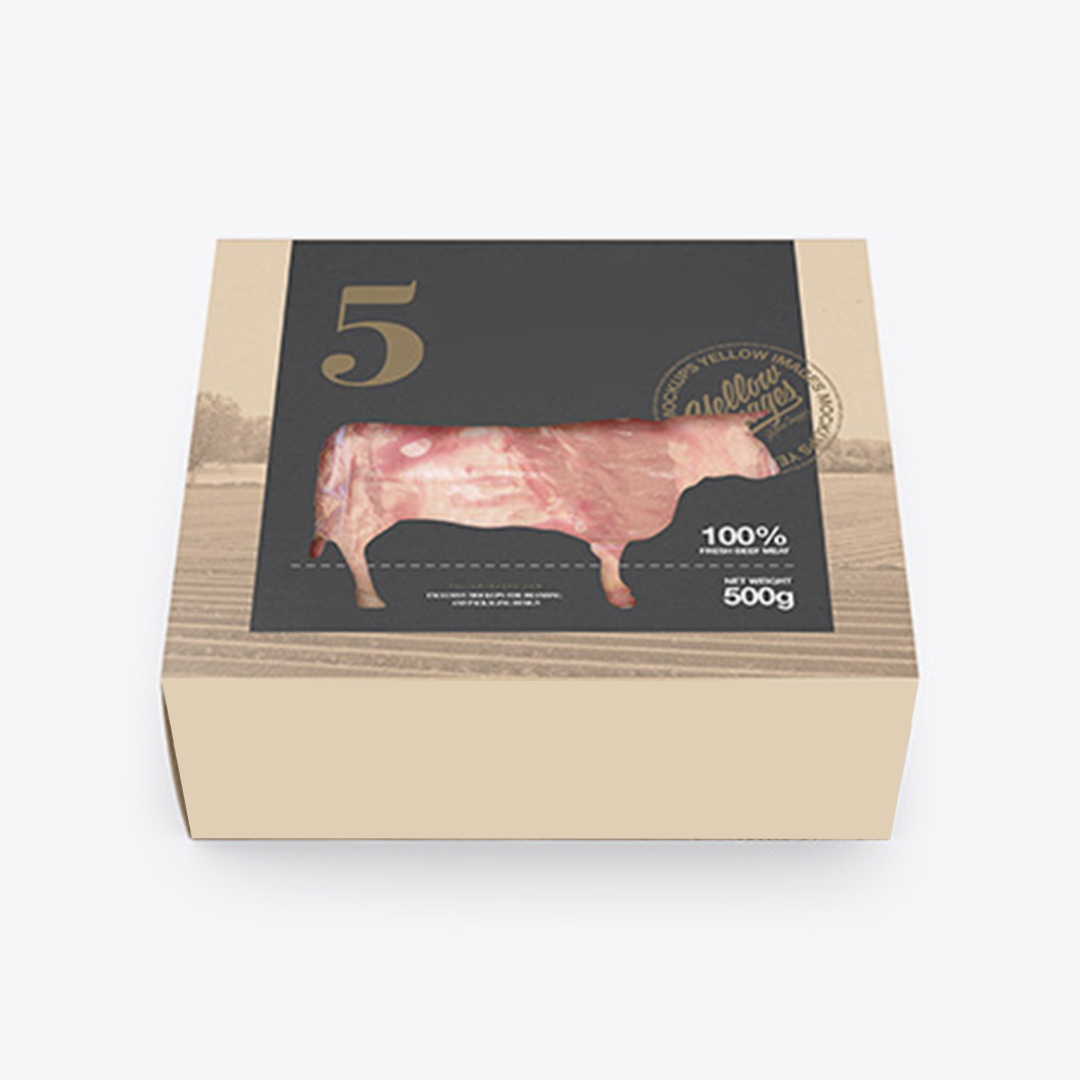
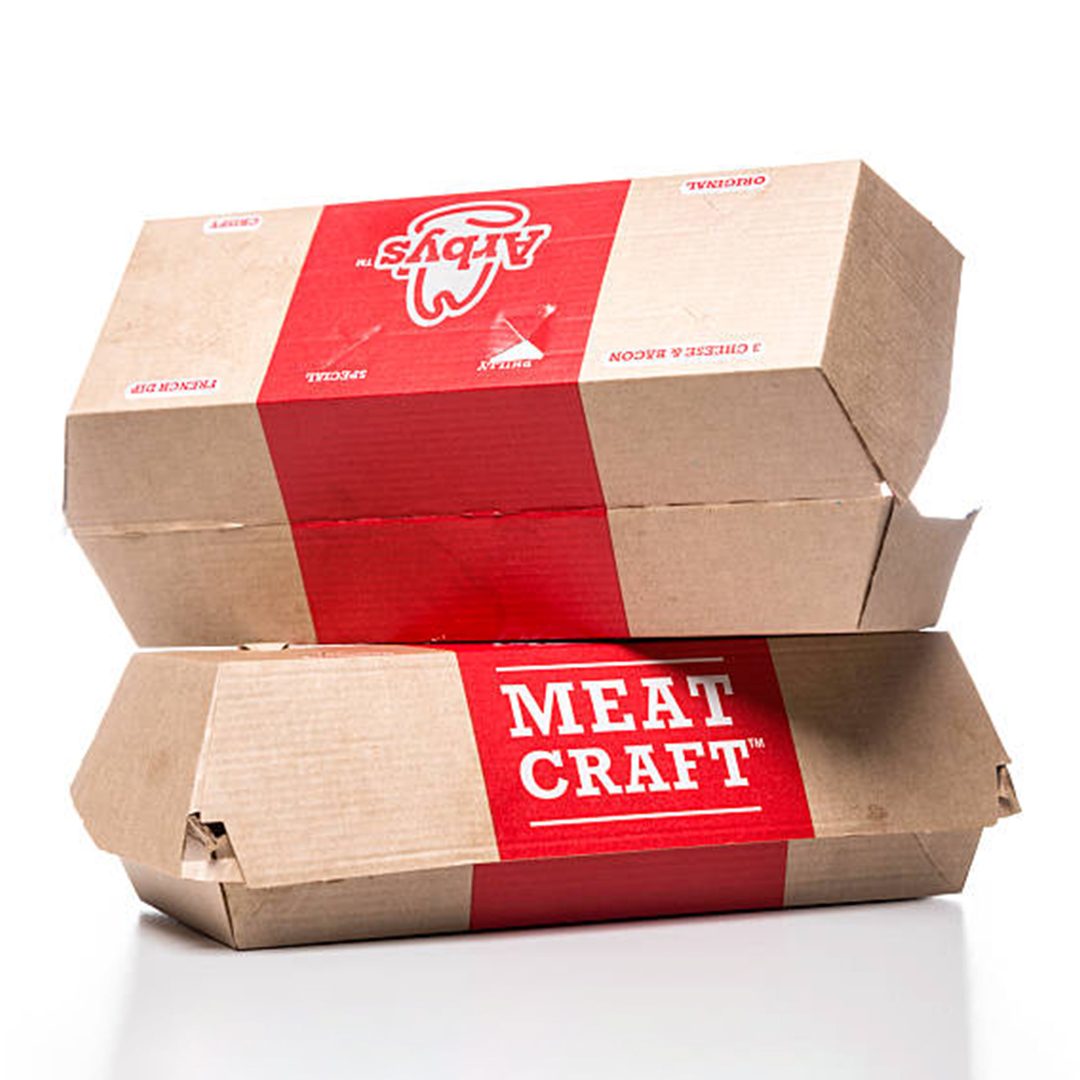
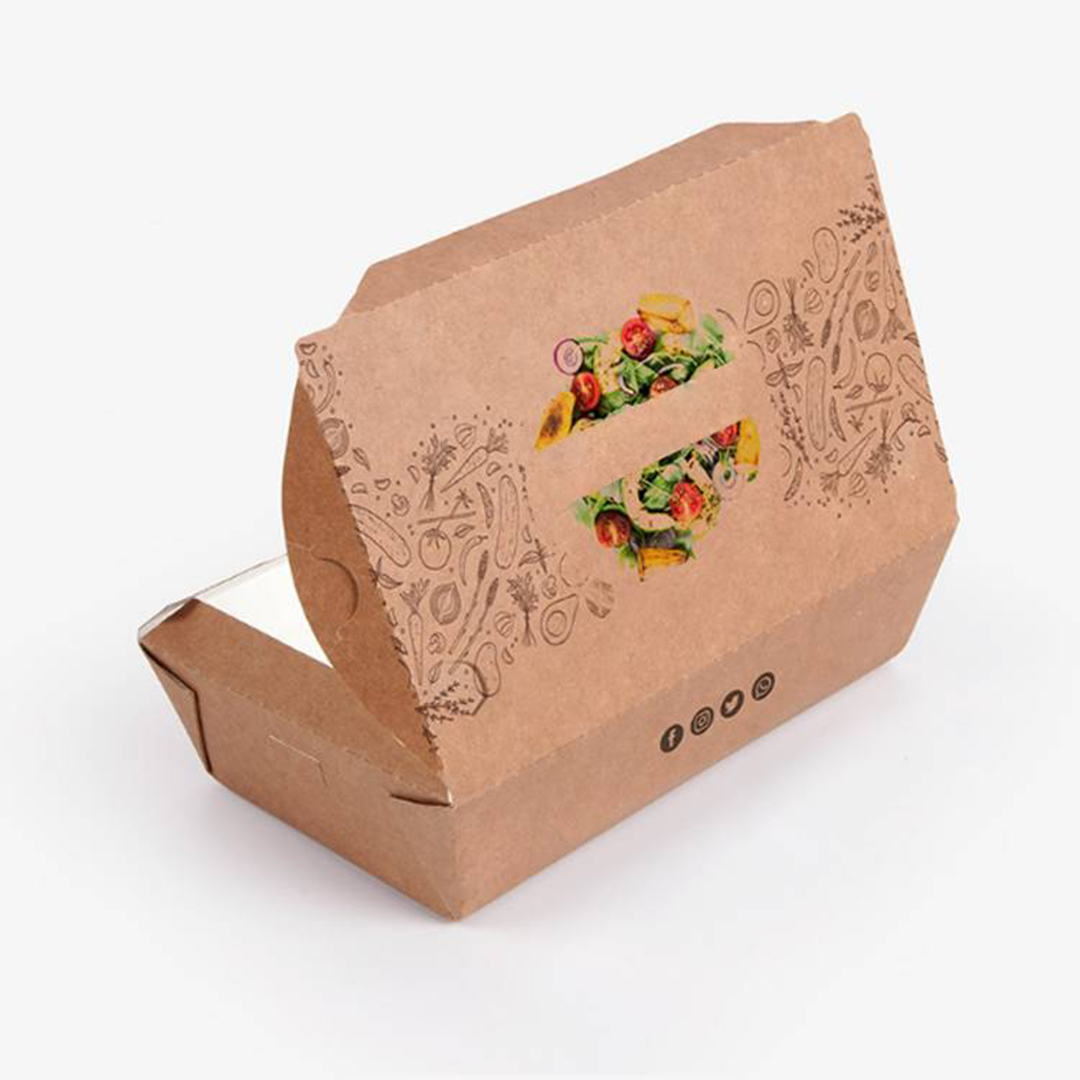
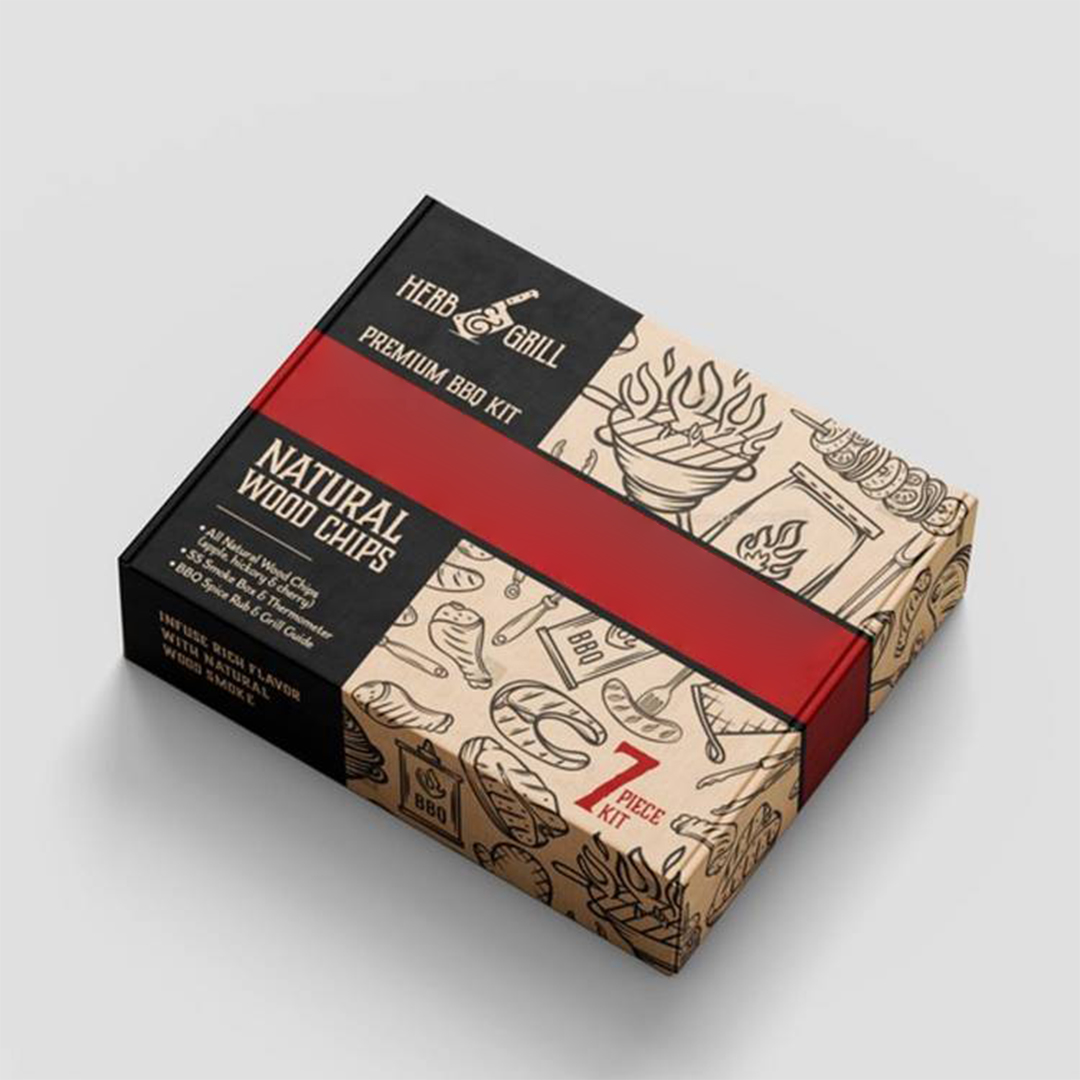
Kraft meat packaging boxes help keep chilled and fresh cuts organized when the pack needs a neat outer look and a steady shape during handling. Many processors align these packs with Kraft Frozen Food Boxes when cold chain planning requires matching formats across fresh and frozen lines. The goal is simple in daily work: reduce mess at the edges, keep the lid fit steady, and avoid boxes that soften at corners after short storage and movement. Kraft meat boxes are also chosen when teams want a consistent footprint that stacks well in cartons and stays presentable when opened in front of buyers.
What Makes Kraft Packs Better For Meat Handling
Kraft meat packaging is often selected because it supports clean presentation while still working with liners and inserts when moisture control is needed. The outer kraft layer keeps the look calm and consistent, while the inner build can be planned to reduce contact between product and paper surfaces. In practical use, the box shape helps teams keep portions aligned in storage racks and reduce shifting in transit.
Key Handling Benefits In Cold Chain Work
- Keeps packs aligned during short storage and dispatch cycles
- Supports liners and inserts for moisture control planning
- Helps reduce shifting that causes edge rub in cartons
- Maintains a neat look when opened for inspection
- Supports repeat packing steps for staff in busy runs
Steps To Plan A Clean Meat Pack Layout
- Measure portions with wrap and padding included
- Choose a depth that avoids lid pressure on contents
- Plan liner fit to control moisture without bunching
- Confirm carton layout for stable stacking and movement control
- Test a small batch to verify pack speed and closure feel
| Feature Focus | Details | Material Options | Finishing Choices | Add-ons & Features | Usage Application |
|---|---|---|---|---|---|
| Clean Outer Look | Calm kraft surface supports neat presentation | Rigid or folding kraft board builds | Matte, Gloss | Printed outer panels | Fresh cuts packing |
| Shape Control | Helps the box stay square during handling | Kraft board with reinforced base | Matte | Corner support | Short transit cycles |
| Moisture Planning | Works with liners where needed | Food-grade liner options by request | Matte | Inner liner fit | Chilled products |
| Packing Speed | Repeatable close supports faster runs | Pre-scored folds | Gloss | Quick setup design | High-volume packing |
| Stack Behavior | Stable footprint supports carton stacking | Strong sidewalls | Matte | Carton pack planning | Dispatch and storage |
Kraft Meat Boxes With Liners And Insert Support
Meat packs often need moisture planning, so kraft meat packaging boxes are commonly paired with liners or trays based on the product type and local handling rules. Many operations align these builds with Kraft Food Packaging ranges when they want related formats across multiple food lines while keeping a consistent outer look. The outer kraft surface keeps the presentation calm, while the inside can be planned to reduce contact between product moisture and paper surfaces. Kraft meat boxes can also be designed to support pads, barriers, or inner trays that keep the portion stable.
Which Liners Help Reduce Moisture And Odor Buildup
Liner choices depend on how the product is packed and how long it stays in storage before delivery. Some operations use inner trays or coated barrier layers to reduce moisture contact, while others rely on pads and tight fits to control movement. The key is that the liner should sit flat, remain stable through closing, and not interfere with the lid fit.
Odor control is usually handled through clean pack routines, controlled clearance, and avoiding gaps that allow movement. When the inside fit is stable, the product stays centered and the pack does not shift during transport. A clean liner also keeps the outer kraft surface looking neat, because it reduces the chance of moisture reaching corners. Testing liners with the real packing routine helps confirm which option stays steady under speed.
Inner Layout Details That Support Cleaner Handling
- Liners sit flat and do not bunch at corners
- Pads fit without lifting the lid line
- Trays keep portions centered during movement
- Inserts separate multiple items in mixed packs
- Closure stays clean without tight pressure points
Steps To Plan Liners And Inserts For Meat Packs
- Identify moisture level and storage duration for the portion
- Choose liner type that stays stable under quick packing
- Confirm pad thickness does not affect lid closure
- Add insert support if the pack includes multiple items
- Test transport movement to ensure contents stay centered
| Feature Focus | Details | Material Options | Finishing Choices | Add-ons & Features | Usage Application |
|---|---|---|---|---|---|
| Liner Stability | Reduces contact between moisture and paper | Barrier liners by request | Matte | Flat-fit liners | Chilled portions |
| Tray Support | Keeps portions centered in movement | Inner trays | Matte | Tray locking fit | Transit cycles |
| Pad Clearance | Supports absorbent pads without lid pressure | Pad spacing design | Matte | Depth tuning | Fresh packing |
| Insert Control | Separates multiple items in one pack | Divider inserts | Matte | Insert slots | Mixed kits |
| Closure Comfort | Clean close without tight marks | Balanced folds | Gloss | Secure close | Storage handling |
Kraft Boxes For Meat Products In Transit Cycles
Transit handling is where many packs show wear, so kraft boxes for meat products should be planned around stable carton layouts and movement control. Later-stage ordering often prioritizes steady reorders, and Custom Kraft Boxes is used by teams that want consistent dielines and finish settings across repeat runs. Kraft meat packaging boxes wholesale shipments benefit from controlled clearance inside each unit and stable packing inside master cartons, because shifting causes rub marks at corners and edges. A clean transit plan reduces returns and helps packs arrive looking consistent.
Kraft meat boxes should also be planned around realistic handling steps like loading, unloading, and short holding before delivery. If cartons are overfilled or units are loosely packed, boxes can compress or rub at high-contact points. Stable stacking patterns, corner buffers in cartons, and controlled unit spacing reduce movement. These steps support a more consistent buyer experience because the first view stays neat and the box remains square when opened.
How To Pack Meat Boxes For Fewer Transit Marks
Fewer transit marks come from reducing movement and avoiding pressure points at corners. A carton layout that keeps units snug without crushing them helps prevent shifting. If the product fit is loose inside the box, the contents can slide and press against walls, creating marks that show when opened. Controlled fit and stable inserts keep the inner load centered.
Transit planning also includes how cartons are stacked. If cartons lean or flex under weight, the boxes inside can deform. Choosing board strength based on stacking needs helps maintain shape. When operations test transit routes with a small batch, it becomes easier to refine carton layout, spacing, and protection steps that keep packs clean.
Transit Controls That Reduce Visible Wear
- Carton packing that limits movement without crushing units
- Controlled inner fit so contents do not slide during handling
- Stable stacking patterns that reduce carton flex
- Corner protection steps for longer delivery routes
- Board strength matched to stacking weight
Steps To Reduce Marks During Delivery Cycles
- Pack units in cartons with snug spacing and stable rows
- Add movement control with inserts where needed
- Avoid overstacking cartons that causes flex and compression
- Test one route cycle and inspect corners and edges
- Adjust layout and protection based on real handling marks