











Description
Kraft Frozen Food Boxes For Cold Storage Needs
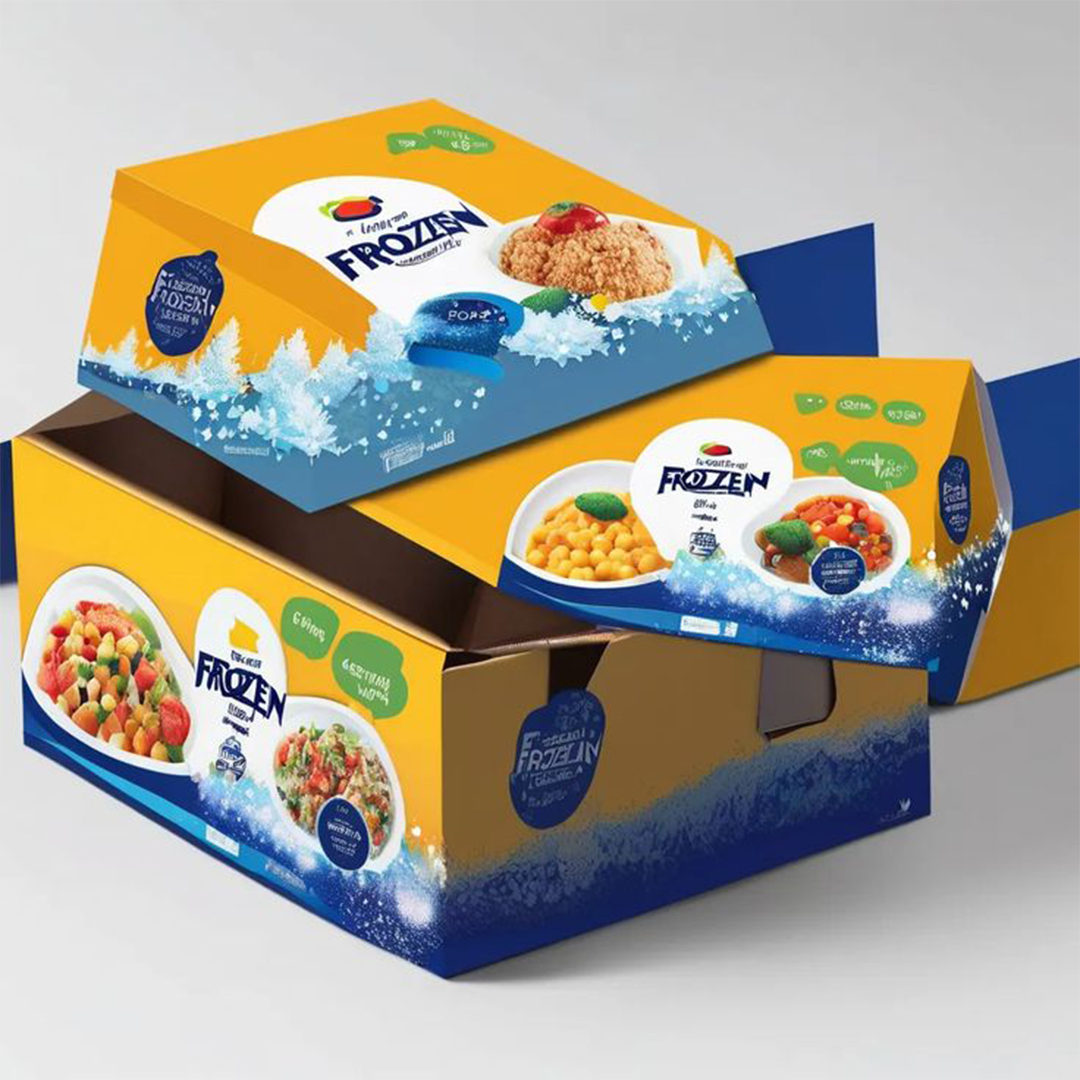
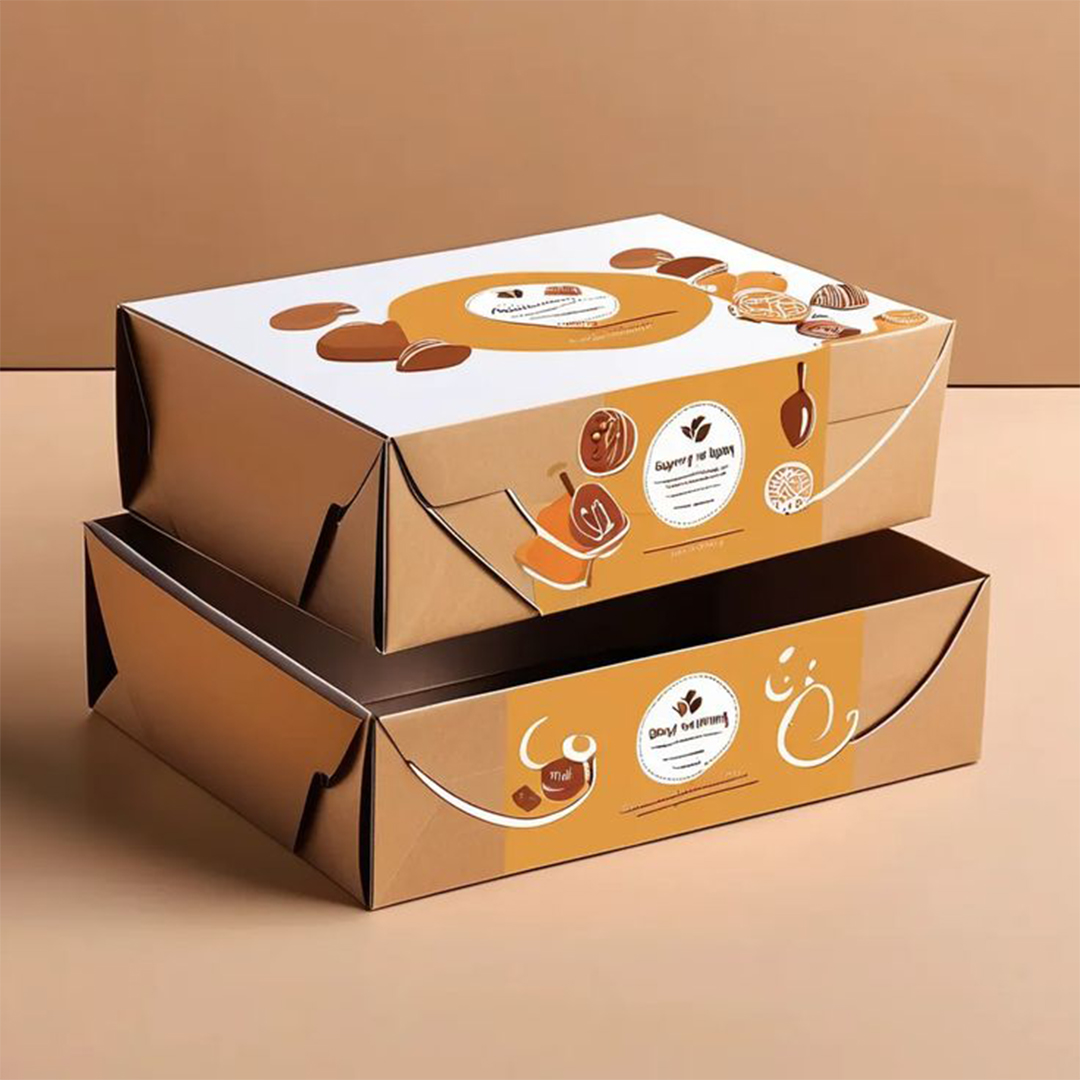
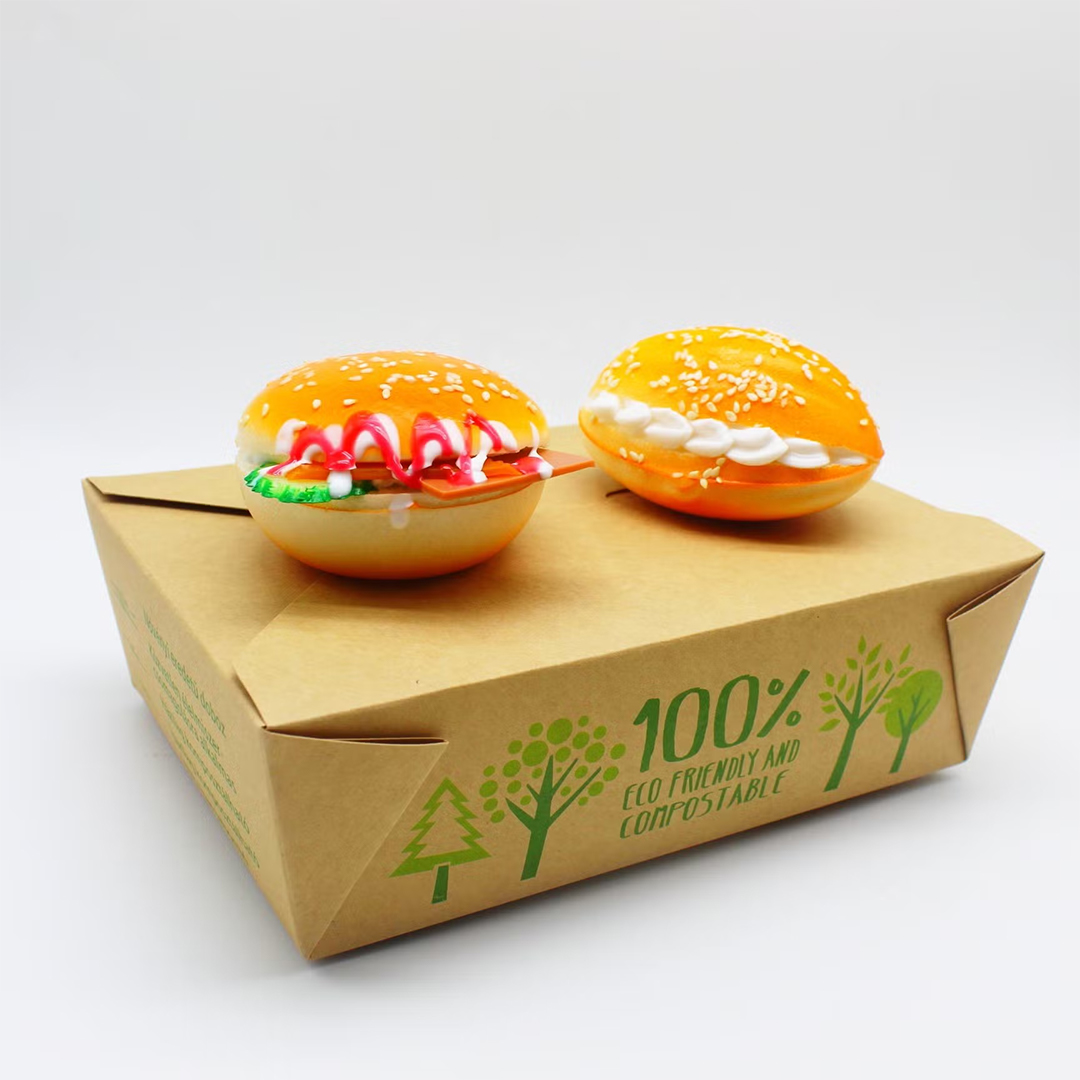
Kraft Frozen Food Boxes are used when frozen items need steady outer protection and a clean brand look in storage, dispatch, and delivery. The box should stay firm at the corners and avoid soft edges during routine handling. Many sellers also want a natural kraft tone that still allows clear printing for product names, handling notes, and batch labels. When people search Kraft frozen food boxes for sale, they usually want packaging that closes neatly, stacks well, and stays reliable through cold conditions.
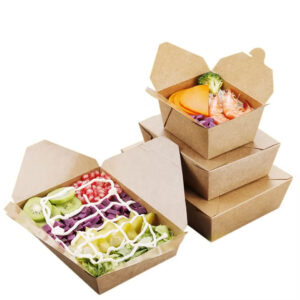
In frozen menu lines, Kraft Salad Boxes are often kept alongside freezer packs so the same kraft style can cover chilled items and frozen items with a consistent shelf look. The key difference is how the frozen pack is planned to handle condensation, cold storage contact, and repeated opening during packing. Kraft freezer food boxes also need an inner layout that keeps items from sliding inside, because movement can lead to corner rub and crushed edges. A close fit supports cleaner presentation and better carton stacking when units are shipped in larger quantities.
How Kraft Freezer Food Boxes Control Moisture Inside
Frozen packaging is mainly challenged by condensation and light moisture transfer, especially when boxes move from freezer storage to room temperature. A dependable build keeps folds tight and the base firm so the box does not lose shape during handling. Many brands also plan the closure so it stays secure without forcing, because forced closures can weaken edges over repeated use.
Moisture control also depends on how food is wrapped before it enters the box, and whether a liner or barrier layer is used. A simple inner layer can help keep the kraft surface cleaner when cold packs sweat during transport. When boxes are stacked in cartons, edge strength matters because any softening can cause the stack to lean and rub. A stable structure helps the packaging remain presentable when customers open the box after delivery.
Quick Details Buyers Review Before Ordering Runs
- Firm corners that hold shape in cold storage handling
- Clean folds that reduce edge softening over repeated use
- Close-fit sizing that limits inner movement during transit
- Surfaces that remain readable for labels and batch notes
- Stack stability that helps cartons stay aligned in shipping
Steps That Keep Frozen Packs Consistent Every Time
- Measure the product with wrap and any cold packs included
- Set the inner clearance to reduce sliding during transport
- Confirm fold lines so the base stays square under stacking
- Choose finishes based on handling, moisture, and storage flow
- Test packing speed with real items before bulk production
| Feature Focus | Details | Material Options | Finish Choices | Add-ons And Features | Typical Usage |
|---|---|---|---|---|---|
| Cold Handling Support | Keeps corners firm during freezer movement | Rigid board, kraft wrap | Matte, Gloss | Reinforced base panel | Frozen meal kits |
| Moisture Readiness | Helps manage condensation exposure | Kraft wrap with liner option | Matte | Inner liner option | Short transit cycles |
| Stack Stability | Holds alignment in cartons and racks | Thicker board options | Matte, Gloss | Corner support | Bulk dispatch |
| Label Readability | Supports clear product and batch marking | Kraft + print layers | Spot UV accent | Inside print option | Brand labeling |
| Close Fit Control | Reduces sliding inside the pack | Custom sizing | Matte | Divider option | Mixed frozen items |
Sizing That Keeps Frozen Items From Shifting Around
Sizing decisions control how the box behaves in cartons and how tidy the unboxing looks after delivery. When a pack has too much void, products can slide, rub the inner surface, and press against corners during movement. That is why many sellers plan the footprint around the main item first, then adjust depth for inserts, sleeves, or cold packs. Kraft boxes for frozen foods also work better when the lid or closure line is aligned with the stacking direction, because that reduces pressure points in carton packing.
Many frozen lines need consistent outer sizes across multiple items, so packing teams can work faster without switching carton layouts. Kraft Food Packaging is often used to keep sizing and kraft styling aligned across different food packs while still matching different products. A stable footprint also supports better storage in freezers and warehouse racks. When the box stacks evenly, cartons shift less and corner rub is reduced during transport. This is a common concern in packaging boxes wholesale planning where large quantities travel together.
What Frozen Food Packaging For Small Business Needs
Frozen food packaging for small business usually needs repeatable sizing, steady stacking, and simple packing steps. A small team benefits when the box closes cleanly without extra handling and when labels remain easy to read. The pack should also be planned around real freezer storage, not just shelf display, so the footprint fits common storage bins and carton sizes.
Small brands also ask how to reduce waste in cartons and avoid crushed corners during delivery. The practical answer is controlled clearance and stable folding, plus a packing routine that keeps items centered. If inserts are used, they should match depth so the lid does not press down on contents. Consistent dielines help reorders stay predictable when product variants change across seasons.
Details That Help Small Teams Pack With Less Rework
- Footprint that matches cartons for steady stacking
- Depth that fits cold packs without lid pressure
- Controlled clearance to reduce sliding in transit
- Surfaces that stay readable for handling notes
- Repeat sizing that supports quick packing routines
Steps That Reduce Shifting In Frozen Shipping Cartons
- Lock the footprint around the largest product size
- Adjust depth for cold packs, liners, and inner wraps
- Keep inner clearance tight enough to limit movement
- Confirm fold strength for stacking in cartons and racks
- Run a packing test to confirm speed and consistency
| Feature Focus | Details | Material Options | Finish Choices | Add-ons And Features | Typical Usage |
|---|---|---|---|---|---|
| Carton Fit | Improves stacking and reduces movement | Custom sizing | Matte | Standard footprint system | Small business shipments |
| Depth Planning | Fits liners and cold packs cleanly | Rigid board options | Matte, Gloss | Insert support | Frozen bundles |
| Movement Control | Helps prevent inner rub marks | Divider options | Matte | Divider grid | Mixed items |
| Storage Match | Fits freezer bins and racks better | Fixed dielines | Matte | Label zones | Freezer storage |
| Packing Speed | Supports consistent packing steps | Stable folds | Gloss | Inside print option | Daily dispatch |
Material Choices For Kraft Frozen Food Packaging
Material selection is linked to weight, storage handling, and how the box is moved in cartons. Kraft frozen food packaging boxes typically rely on a stable board core with a kraft wrap that keeps the outside look consistent. If the product is heavy or stacked high, a stronger base is needed to keep corners from rounding. A stable board also helps keep fold lines clean, which supports better carton packing and reduces corner rubbing during shipment.
For larger runs, many buyers compare custom kraft frozen food boxes by how reliably they hold shape after repeated handling. Kraft Box Pack is often chosen when brands want repeatable sizing, steady production consistency, and the same kraft tone across reorders without changing the pack workflow. Material planning also affects printing clarity, because a smoother wrap can keep logos and text clearer on the lid and front panels. When frozen packs travel through multiple handling steps, stable materials help the packaging arrive neat and aligned.
Coatings That Help When Condensation Appears Fast
Condensation can appear when packs move between cold storage and normal temperatures, especially during last-mile delivery. A suitable coating can help reduce surface marks and keep printing clearer when moisture is present. Matte coatings can reduce glare and help the kraft tone remain steady under indoor lighting. Gloss coatings can improve wipe-clean behavior when handling is
Material And Coating Points Buyers Compare Often
- Base strength that supports stacking and heavy items
- Wrap quality that keeps folds neat and corners firm
- Coatings that reduce visible marks from handling
- Print clarity that remains readable on kraft surfaces
- Repeat consistency that supports regular reorders
Steps That Keep Surface Results Steady Across Batches
- Match board strength to product weight and stack height
- Choose wrap that supports clean fold lines and edges
- Select Matte, Gloss, or Spot UV based on handling needs
- Review proofs under normal lighting for kraft balance
- Lock finish settings so reorders match the same feel