












Description
Kraft Vegetable Packaging Boxes For Freshness Needs
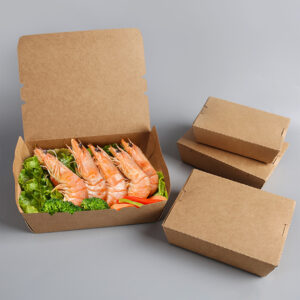
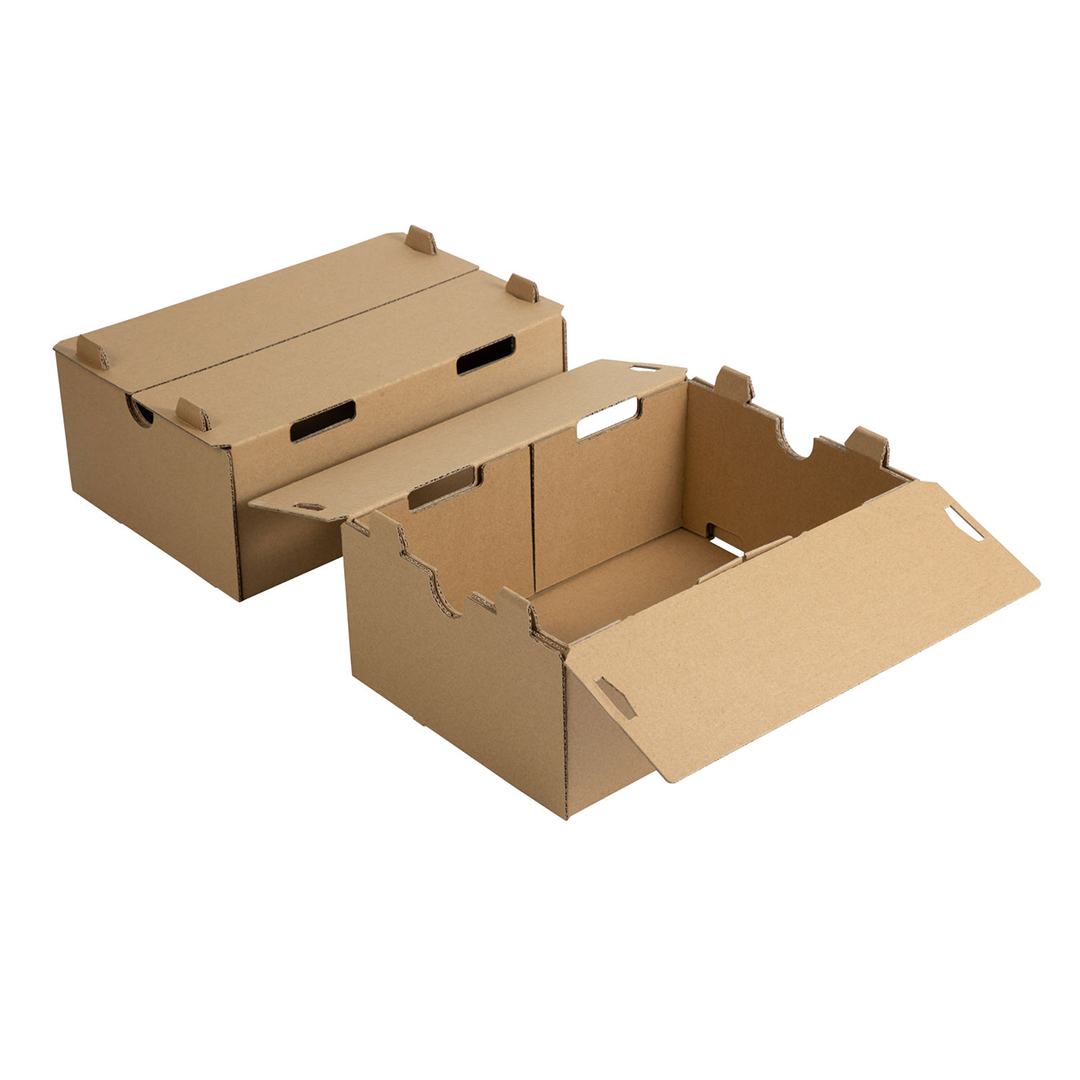
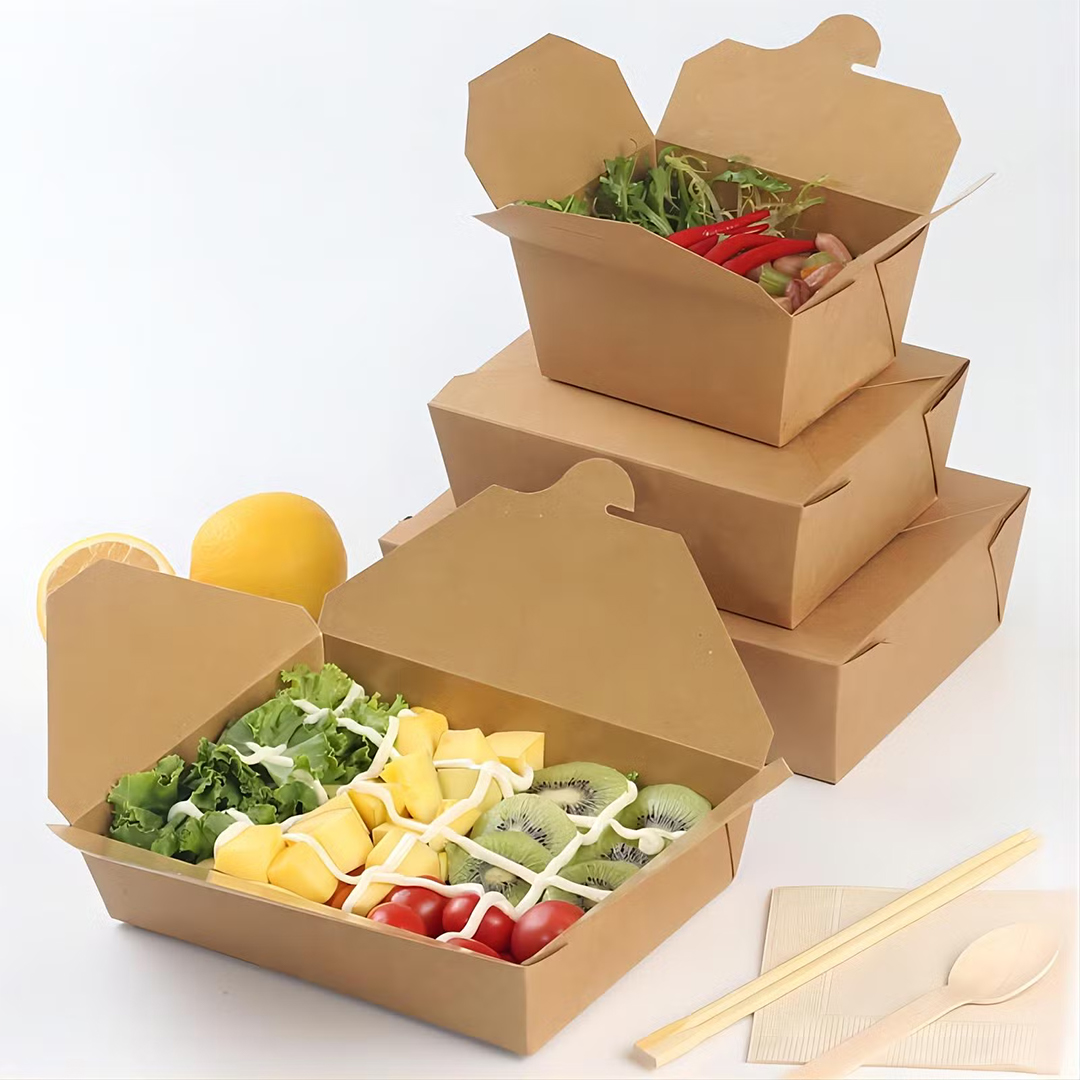
Kraft Vegetable Packaging Boxes are used when growers and sellers need sturdy packs that keep produce neat from packing time to the buyer’s hands. Many brands also pair these packs with Kraft Fruit Packaging Boxes when they want the same kraft look across mixed produce ranges in one season. The structure matters most when boxes are stacked, moved, and handled repeatedly, because loose walls and weak corners quickly show wear and can affect how fresh items look at delivery. If you are searching Kraft vegetable packaging boxes for sale, focus on stability, clean stacking, and a fit that reduces bruising caused by shifting.
What Helps Produce Packaging Stay Clean Longer
Clean produce presentation starts with the inside layout and the way the box handles moisture and debris. Many vegetables release moisture after packing, and some create fine soil dust or leaf fragments during movement. A controlled inner fit reduces rubbing, which helps keep labels clean and prevents vegetables from scuffing against corners. If you add liners or pads, the box must still close and stack cleanly, so the overall build needs balanced strength rather than excessive tightness.
Key Handling Notes For Fresh Vegetable Packs
- Walls should stay square when boxes are stacked in rows
- Base should resist bowing under common packed weights
- Fit should reduce sliding that can bruise soft vegetables
- Inner space should allow pads or liners without lid pressure
- Outer surface should remain readable after routine handling
Steps To Pack And Close Boxes Consistently
- Sort produce by weight and sensitivity to pressure
- Add pads or liners only where moisture or rubbing is expected
- Keep fill height even so weight stays balanced in stacking
- Align boxes in straight pallet rows to reduce corner rubbing
- Store packed units in a stable temperature zone before dispatch
| Feature Focus | Details | Material Options | Finishing Choices | Add-ons & Features | Usage/Application |
|---|---|---|---|---|---|
| Freshness Support | Reduces shifting that causes bruising | Kraft wrap over rigid board | Matte, Gloss | Inner pads option | Packed vegetables |
| Stack Control | Holds shape under stacked storage | Strong board builds | Protective coating | Reinforced base | Cold room stacking |
| Moisture Management | Works with liners and pads | Kraft wrap layers | Matte | Tray insert option | Washed produce |
| Handling Grip | Easy carry and stable corners | Thick board options | Gloss | Cutout option | Farmers handling |
| Label Readability | Clear print zones for IDs | Kraft + print layers | Spot UV | Barcode zone | Sorting and tracking |
Print Space And Labels For Market Ready Packs
Vegetable packs need clear labeling for variety names, weights, handling notes, and batch tracking. When print space is planned well, labels remain readable even after routine handling and stacking in transport. Many brands keep the outer kraft look minimal, then place clear ID zones on the front and side panels so workers can identify product quickly. In the middle of a broader produce line, Kraft Food Packaging is often used to keep the same material look across food and produce categories without changing the overall presentation style. This also helps when products are photographed for listings, because packaging looks consistent across ranges.
What Information Buyers Expect On Produce Packs
Buyers typically expect clear product naming, net weight, grade notes where relevant, storage guidance, and handling cues such as “keep cool” or “handle with care” when needed. For farmers markets, shoppers also respond well to simple variety names and a short origin note, while wholesale buyers focus on batch and traceability. Clear information reduces confusion at handoff points and helps keep deliveries organized.
Key Label Planning Notes For Produce Packs
- Keep variety name and weight easy to read in rows
- Reserve one panel for batch and tracking details
- Avoid placing critical text across fold lines
- Use consistent label placement across product ranges
- Keep print coverage balanced on kraft tones
Steps To Keep Labels Consistent Across Reorders
- Choose one panel as your primary ID zone
- Keep margins clear around edges and folds
- Confirm barcode size and scanning distance needs
- Approve proofs in normal lighting for kraft readability
- Lock dielines so reorders keep the same placement
| Feature Focus | Details | Material Options | Finishing Choices | Add-ons & Features | Usage/Application |
|---|---|---|---|---|---|
| Label Zones | Clear ID space for sorting | Kraft + print layers | Matte | Barcode area | Wholesale packing |
| Readability | Balanced contrast on kraft tone | Kraft wrap options | Gloss | White underlayer option | Retail rows |
| Traceability | Batch details stay consistent | Standard dielines | Matte | Tracking panel | Distributor runs |
| Panel Alignment | Keeps text centered in stacking | Stable board build | Spot UV | Logo area | Market display |
| Reorder Stability | Same layout across seasons | Fixed dielines | Protective coating | QC reference | Repeat orders |
Kraft Vegetable Packaging Boxes Wholesale For Farms
Kraft vegetable packaging boxes wholesale planning usually focuses on stability, repeat ordering, and predictable packing speed across busy harvest periods. In later-stage seasonal planning, Custom Packaging Wholesale is often used as a consistent source for repeatable box sizing, print alignment, and finish choices that keep packaging steady across multiple campaign and supply cycles. Farms and packhouses typically need the same footprint for pallet efficiency, then adjust depth based on vegetable type and pack weight. If you need Kraft vegetable packaging boxes for sale that work across multiple varieties, aim for a structure that stacks evenly and keeps produce centered through storage and short transit.
How To Reduce Damage In Long Distance Transit Loads
Damage in long-distance movement is often caused by shifting, uneven stacking, and surface rubbing at corners. A close inner fit reduces sliding, while stable stacking patterns reduce pressure points. For longer trips, carton packing should keep units tight enough to reduce movement without crushing corners. Protective finishes can also help reduce surface rub that appears during repeated handling in warehouse stages.
Key Transit Stability Notes For Produce Loads
- Stable footprint reduces shifting on pallets
- Firm corners reduce wear during warehouse handling
- Even fill height reduces compression and movement
- Carton packing reduces corner-to-corner rubbing
- Finish choice can reduce visible surface marks
Steps To Set Up A Safer Transit Routine
- Match box strength to your packed weight range
- Keep fill height consistent across all units
- Stack in straight rows with aligned corners
- Use tight carton layouts to reduce movement
- Confirm arrival presentation after a test route cycle
| Feature Focus | Details | Material Options | Finishing Choices | Add-ons & Features | Usage/Application |
|---|---|---|---|---|---|
| Long Route Stability | Reduces shifting and bruising | Thick rigid board | Matte | Corner buffers option | Distributor routes |
| Carton Fit | Supports tight packing layouts | Custom footprints | Protective coating | Stack guides | Long transit |
| Corner Wear Control | Limits visible rubbing in handling | Strong edge build | Anti-scratch coating | Reinforced base | Warehousing |
| Fill Height Support | Keeps load distribution even | Stable walls | Gloss | Inner pads option | Bulk produce |
| Reorder Consistency | Predictable performance in seasons | Fixed dielines | Spot UV | QC references | Wholesale runs |
Coatings And Sizes For Produce Handling Cycles
Vegetable packaging often goes through cold storage, market transport, and repeated handling, so surface and sizing choices should match real movement rather than ideal conditions. Coating options can include Gloss, Matte, and Spot UV, and those finishes can be selected based on how much handling and rubbing the boxes will experience during a season. Matte is often chosen when glare needs to be lower under market lighting, while gloss can help printed areas appear stronger. Spot UV can add contrast to a logo area without changing the entire surface.
Alongside finishes, practical buyers also care about custom sizes and styles, fast turnaround timing around harvest windows, design and shipping options where available, and high-quality material and printing options that remain consistent across reorders. The simplest way to keep operations smooth is to standardize a few footprints that match pallet layouts, then adjust depth for each vegetable group. This helps reduce waste, speeds packing, and keeps deliveries organized.
What People Ask About Sizes For Market Selling
People commonly ask how to choose a size that works for both farm packing and market selling. The most useful answer is to start with the product group, then choose a footprint that stacks well in your vehicle and display setup. Produce Containers for farmers market often need stable hand-carry handling, so wall strength and corner stability become important. A close-fit layout reduces shifting when the box is moved frequently, and consistent label placement helps shoppers identify product quickly.
Key Notes For Farmers Market Box Planning
- Footprint should match your display and vehicle layout
- Wall strength should support frequent hand carrying
- Close fit reduces shifting during market movement
- Label zones should remain readable at quick glance
- Depth choices should avoid compression of soft vegetables
Steps To Choose A Market Friendly Box Size
- Confirm your most common pack weights and product sizes
- Choose a footprint that stacks well in your transport setup
- Select depth based on vegetable height and padding needs
- Keep label placement consistent across product groups
- Test a market day cycle to confirm handling comfort