






Description
Kraft Toy Packaging Boxes For Retail Store Shelves
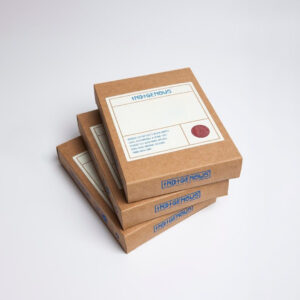
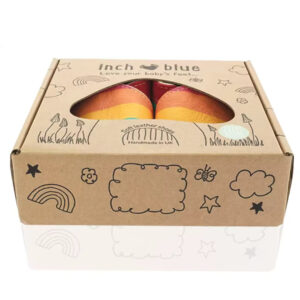
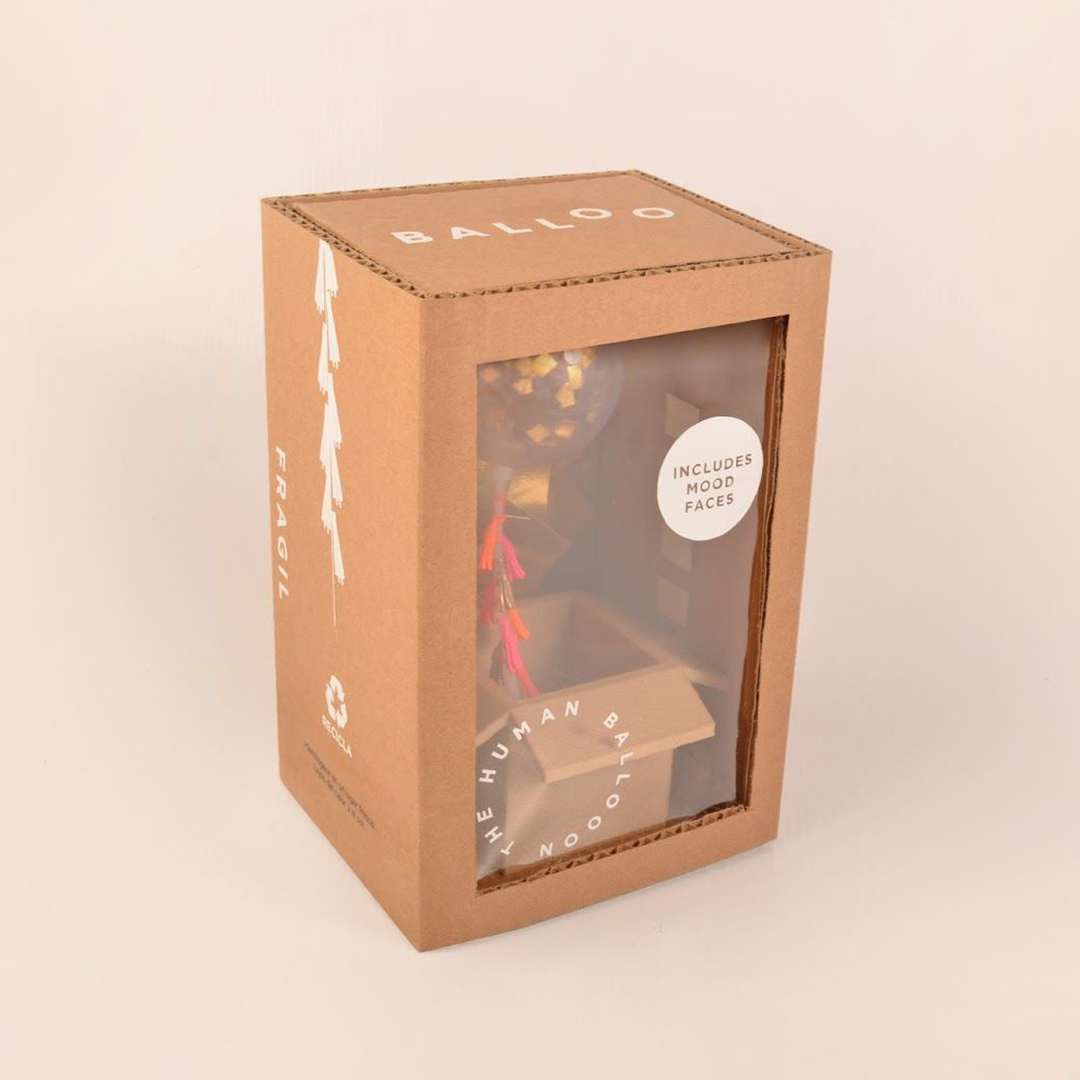
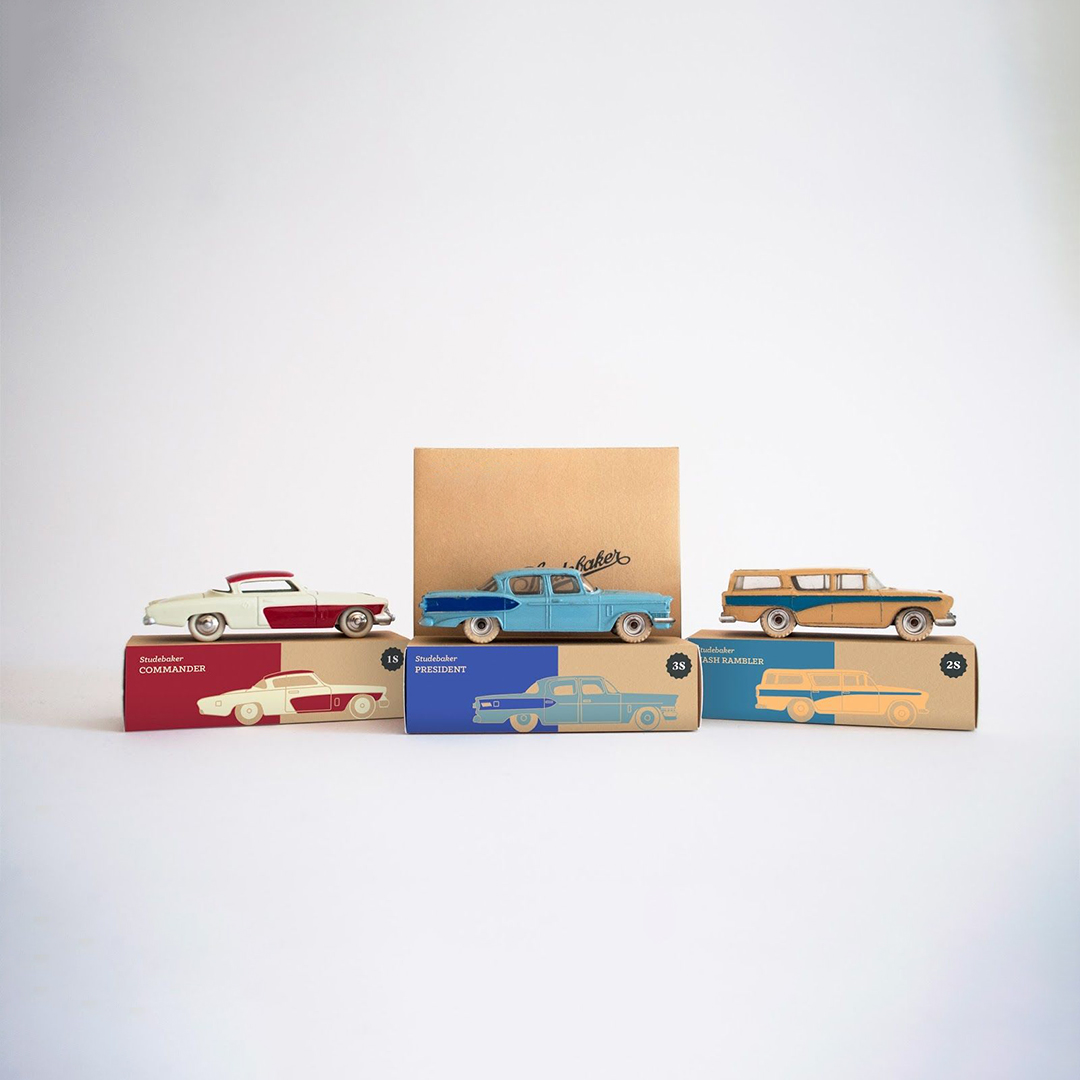
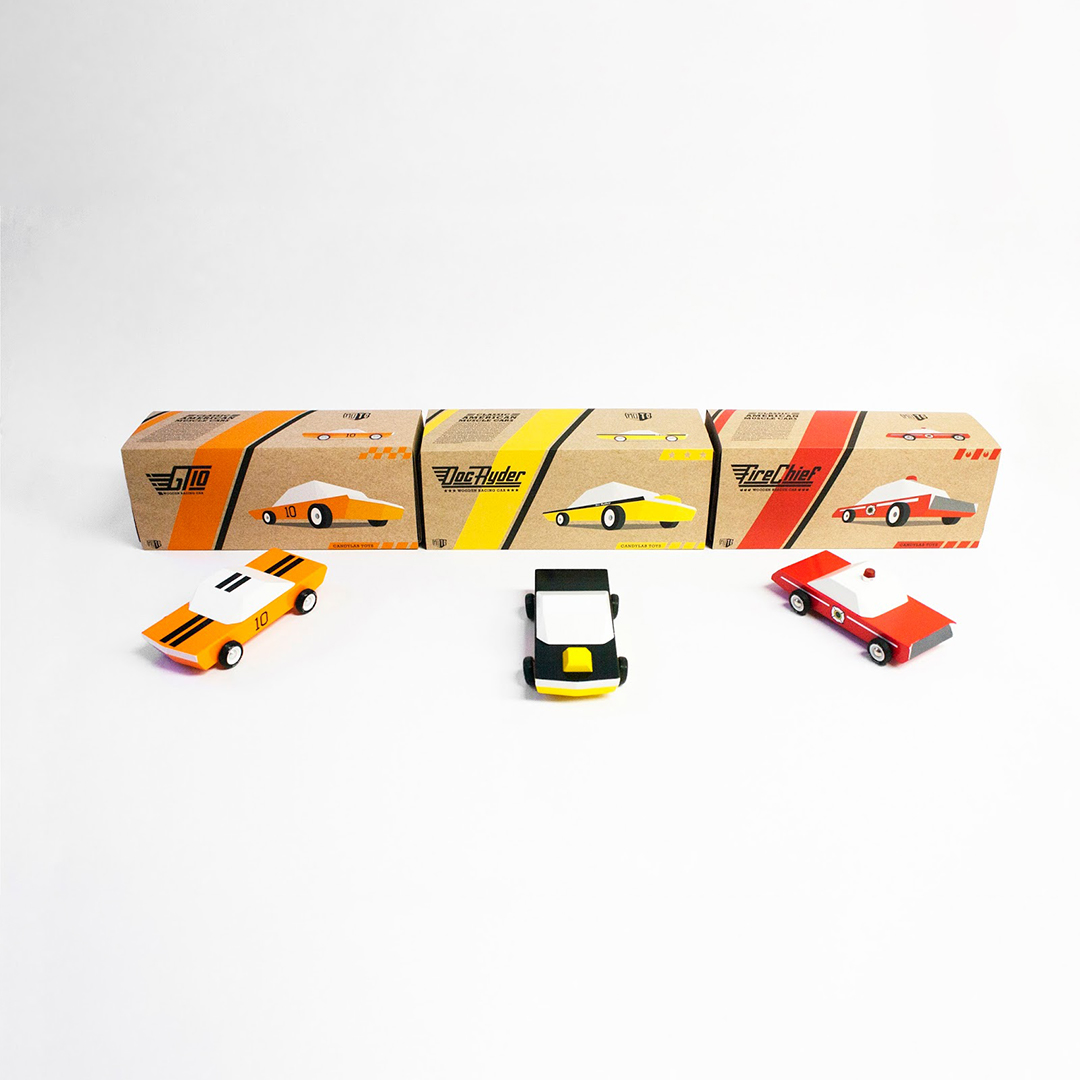
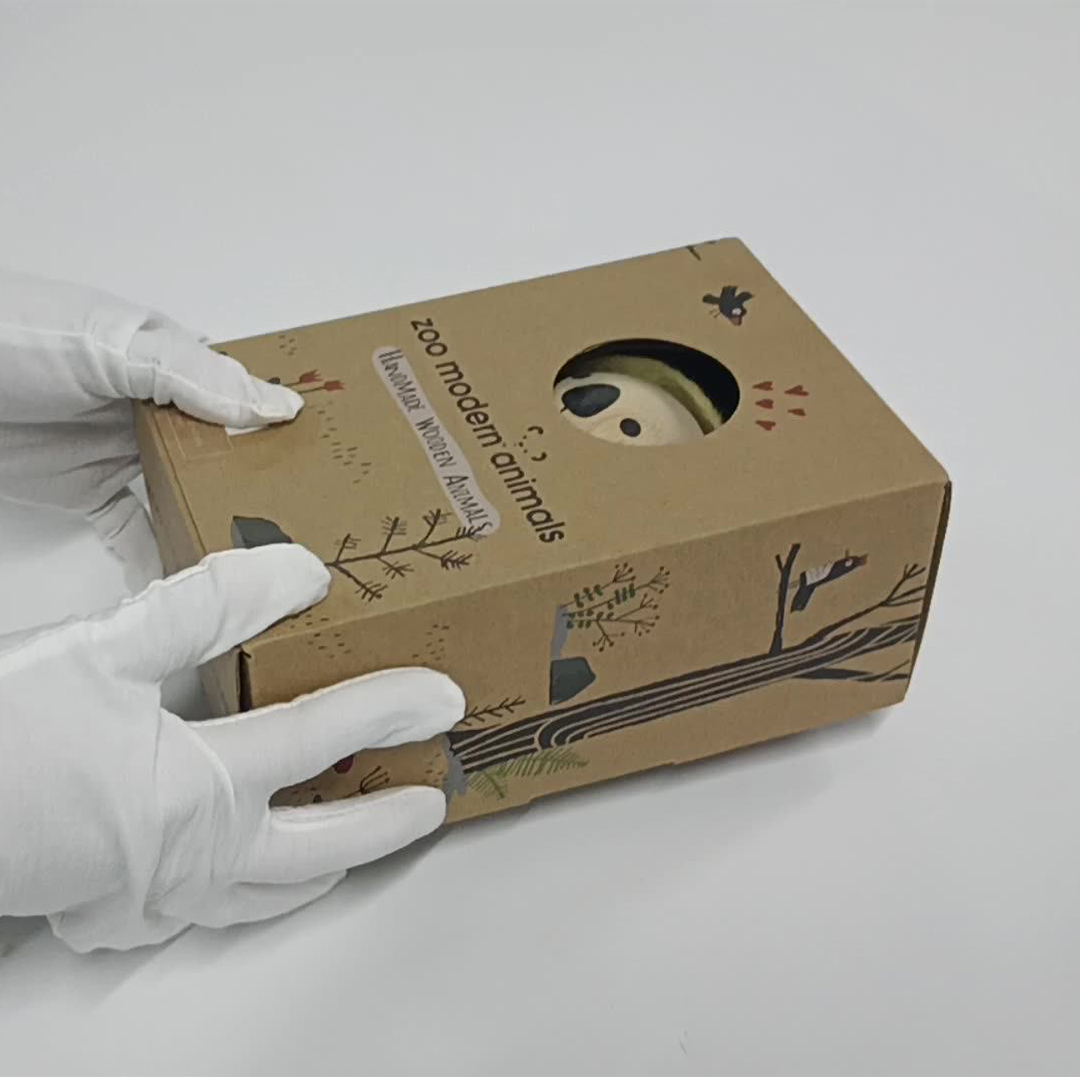
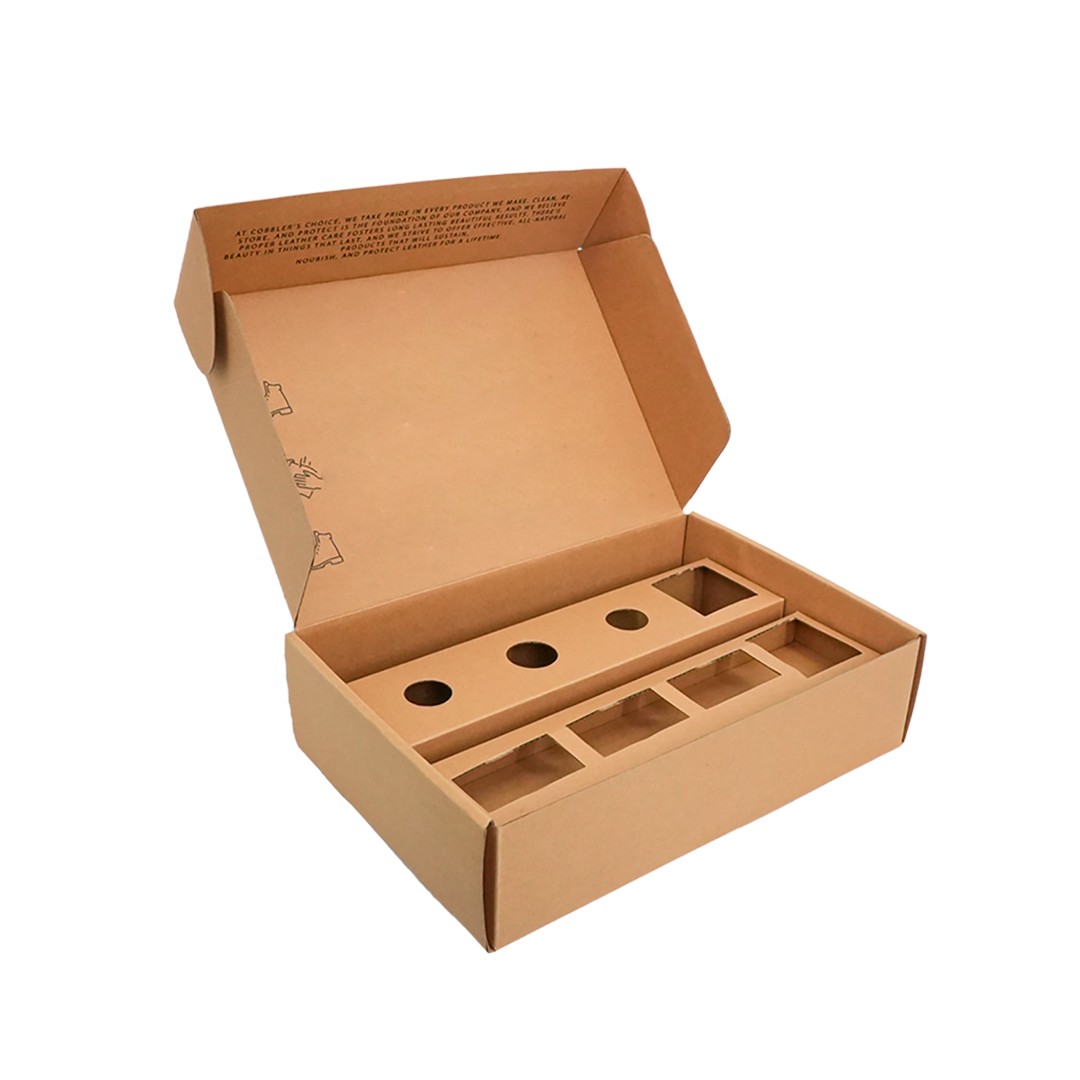
Kraft toy packaging boxes help keep toys tidy on shelves while giving a clean, natural look that suits many brand styles. Many stores also pair them with Kraft Baby Product Boxes when they want a consistent packaging line for young-age categories. These boxes are commonly used for small toys, plush items, puzzles, blocks, and accessories that need a stable outer pack for display and handling. A well-built structure keeps corners sharp, supports stacking, and reduces the “soft edge” look that can happen after repeated shelf moves. If your product photos matter, the kraft tone also reduces glare and keeps the pack looking steady under different lighting.
What Are Kraft Toy Packaging Boxes Used For Today
Kraft toy packaging boxes are used to pack toys in a way that feels organized and easy to handle, especially when products move from storage to shelves to delivery cartons. They work well for toy brands that need consistent presentation across different SKUs, because the kraft surface keeps the look calm while still supporting printing and branding. Many brands choose them for starter kits and small toy bundles where parts must stay together and arrive in order. When the packaging is planned around the unboxing flow, the customer sees a neat layout instead of loose items.
They are also used when brands want a reusable pack, such as kraft toy storage boxes that families keep for parts and accessories. That reuse value depends on corner strength, lid fit, and surface protection, because toy boxes can be opened many times. If the toy has small pieces, adding an insert or divider helps prevent rattling and keeps the kit tidy after opening. For bulk runs, stable sizing and print placement help the packaging look consistent across every unit.
Buyer Notes That Matter For Toy Packaging Quality
- Stable corners that keep the box square on shelves
- Inner clearance that reduces toy movement during transit
- Clean print zones that stay readable under store lighting
- A closure style that stays aligned after handling
- Insert options for kits with small parts or accessories
Steps To Plan Toy Box Sizes And Inner Clearance
- Measure the toy with any wrap, tags, or safety padding included
- Add controlled clearance so the toy fits without rubbing edges
- Decide if parts need inserts, dividers, or a simple tray
- Choose box depth so the lid closes without pressure
- Test stacking and shelf placement to confirm shape stability
| Feature Focus | Details | Material Options | Finishing Choices | Add-ons & Features | Typical Usage |
|---|---|---|---|---|---|
| Shelf Presence | Keeps a clean, stable look in store rows | Rigid board + kraft wrap | Matte, Gloss | Window option | Retail toy display |
| Shape Stability | Reduces corner softening during handling | Thicker board grades | Matte | Reinforced base | Stacked shelves |
| Inner Fit | Controls movement so toys stay centered | Inserts, divider grids | Matte interior feel | Tray inserts | Kits and bundles |
| Print Zones | Supports clear branding placement | Kraft + print layers | Spot UV highlights | Foil option | Brand packaging |
| Handling Wear | Helps reduce rub on edges in cartons | Protective coatings | Anti-scratch coat | Corner buffers | Shipping cycles |
Custom Kraft Toy Packaging Boxes For Brand Lines
Custom kraft toy packaging boxes help brands keep one packaging style across multiple toy categories while adjusting size and depth for each SKU. Many apparel-focused gift programs also use Kraft Apparel Boxes to keep the same kraft tone across different product families. This is useful when a brand sells toys alongside clothing accessories or character items and wants the packaging to feel connected. The most important part of customization is not adding extra elements, but locking the right dieline so print placement, closure fit, and stacking behavior stay consistent across reorders.
When customers compare custom kraft boxes, they often look at how clean the edges are, how steady the lid alignment is, and how the box looks under store and studio lighting. A stable structure supports neat photography and keeps the box looking uniform in product listings. Custom sizes also help reduce wasted space, which improves packing speed and lowers filler use in shipping cartons. For kit-style toys, a consistent inner layout makes packing easier because staff can follow the same routine without re-checking placements.
Choosing Board Strength For Toys And Gift Sets
Board strength should match the toy weight and how the packaging will be handled after it is packed. Small lightweight toys can use lighter board builds, while heavier toys and gift sets need thicker board strength to keep corners firm and prevent sidewall bending. If the toy includes hard plastic edges, board strength also helps protect the outer surface from showing pressure lines. When the goal is a neat unboxing, a stable outer structure makes the kit feel organized and reduces “loose pack” issues.
For gift sets, board strength works best when paired with inserts or trays that hold items in place. This keeps the kit balanced and reduces movement that can scratch surfaces or mix parts. If your packaging is meant to be kept, such as kraft toy storage boxes, board strength also improves reuse because the box keeps shape after repeated opening. Matching the board strength to the real handling environment is the simplest way to maintain consistency across bulk runs.
Buyer Notes That Matter For Toy Packaging Quality
- Board strength matched to toy weight and kit size
- Consistent dielines that keep print placement steady
- Inserts that keep parts from shifting inside the box
- Clean closure fit that does not gap on the front edge
- Stable stacking behavior for storage and shipping cartons
Steps To Confirm Toy Box Fit Before Bulk Printing
- Weigh the toy and note any sharp or hard contact points
- Choose board strength based on stacking and shipping needs
- Confirm inner clearance for labels, wraps, and padding
- Add inserts where parts can collide or scratch
- Test a sample pack for closure fit and shelf stability
| Feature Focus | Details | Material Options | Finishing Choices | Add-ons & Features | Typical Usage |
|---|---|---|---|---|---|
| Brand Consistency | Keeps one look across multiple SKUs | Rigid board + kraft wrap | Matte, Gloss | Fixed dieline | Toy product lines |
| Strength Match | Board chosen to suit toy weight | Multiple board grades | Matte | Reinforced base | Heavy toys |
| Insert Support | Reduces movement and part mixing | Foam, card inserts | Matte interior | Divider trays | Sets and kits |
| Photo Readiness | Clean edges support listing images | Kraft + print layers | Matte, Spot UV | Foil option | Online listings |
| Reorder Stability | Helps repeat runs look the same | Standard settings | Any finish | QC references | Campaign reorders |
Kraft Cardboard Toy Packaging For Bulk Orders
Kraft cardboard toy packaging becomes easier to manage when sizes, finishes, and print placement are planned for repeat production rather than one-off runs. For stable reorders and consistent build choices, many brands rely on Kraft Packaging Wholesale when they want the same packaging style to match across new toy releases. Bulk planning also helps reduce wasted space in cartons and supports steadier packing routines for staff. When you order in volume, the small build details become more important because minor differences show quickly when hundreds of boxes sit side by side.
For this product page, a practical title tag that includes buyer intent could be “Kraft Toy Packaging Boxes Wholesale Custom Kraft Toy Boxes Bulk” so the main keyword stays clear without forcing the wording. Bulk orders also benefit from locked dielines because reprints stay consistent and seasonal artwork updates become easier. If you are comparing packaging boxes wholesale options, focus on repeatability, carton packing stability, and inner layout control, because those factors usually decide whether the packaging stays clean through transit and handling.
How Bulk Toy Packaging Orders Stay Consistent
Consistency starts with one approved structure that is tested for lid fit, stacking, and packing speed. Once the structure is locked, brands can adjust artwork and keep the same size and depth for repeat runs. This makes it easier to keep listings consistent, because product photos and unboxing layouts remain similar across new releases. It also reduces packing mistakes because staff follow the same routine each time.
Another part of consistency is surface and corner control during shipping. If cartons are packed tightly and movement is limited, boxes arrive cleaner and show less edge rub. Protective coatings can reduce marks, while correct inner clearance reduces rattling. When you combine stable dielines with steady carton packing, bulk runs stay more predictable and reduce quality variation across the order.
Important Checks Before Approving Bulk Toy Boxes
- Lid fit remains flush after light stacking and handling
- Print placement stays centered across visible panels
- Inner clearance prevents movement and surface rubbing
- Finish choice suits transit exposure and warehouse handling
- Carton layouts keep units stable with reduced shifting
Steps To Set Up A Repeatable Toy Packing Routine
- Lock one approved dieline and keep the footprint consistent
- Match board strength to toy weight and stacking needs
- Confirm insert layouts for sets with multiple parts
- Select Matte, Gloss, or Spot UV based on handling conditions
- Confirm master carton packing to reduce corner rub in transit