











Description
Kraft Puzzle Packaging Boxes For Clean Storage
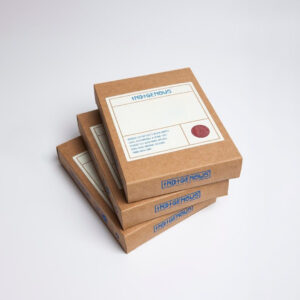
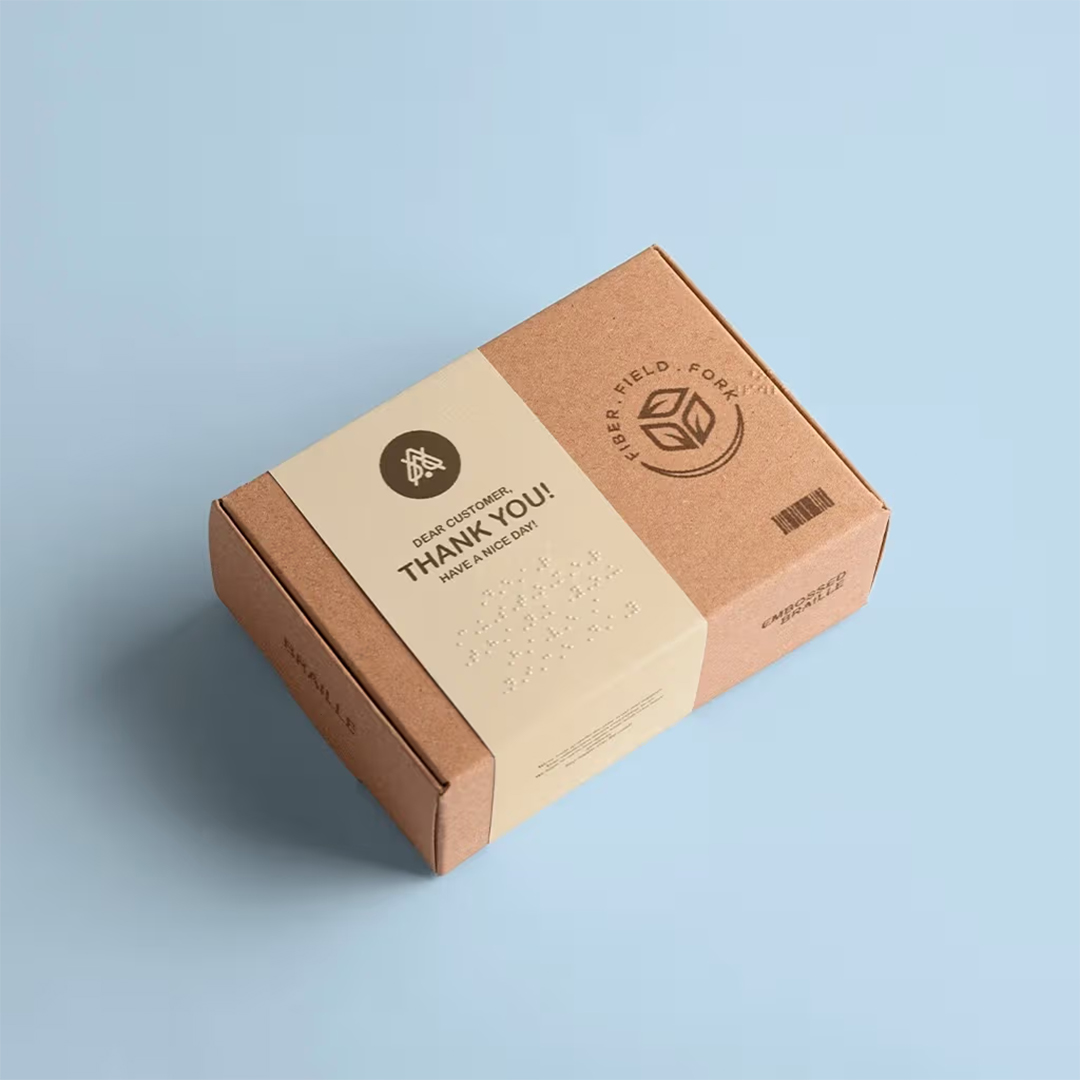
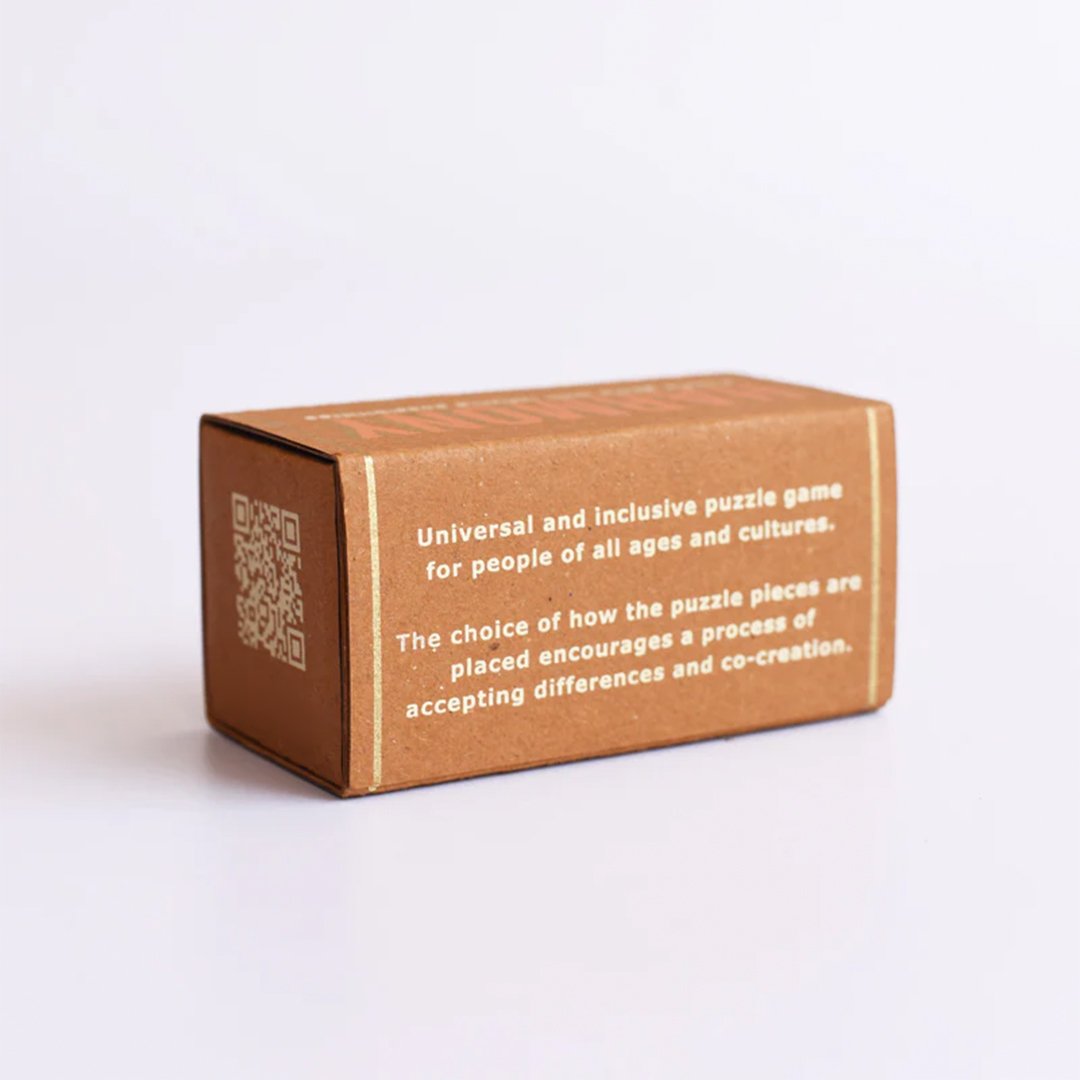
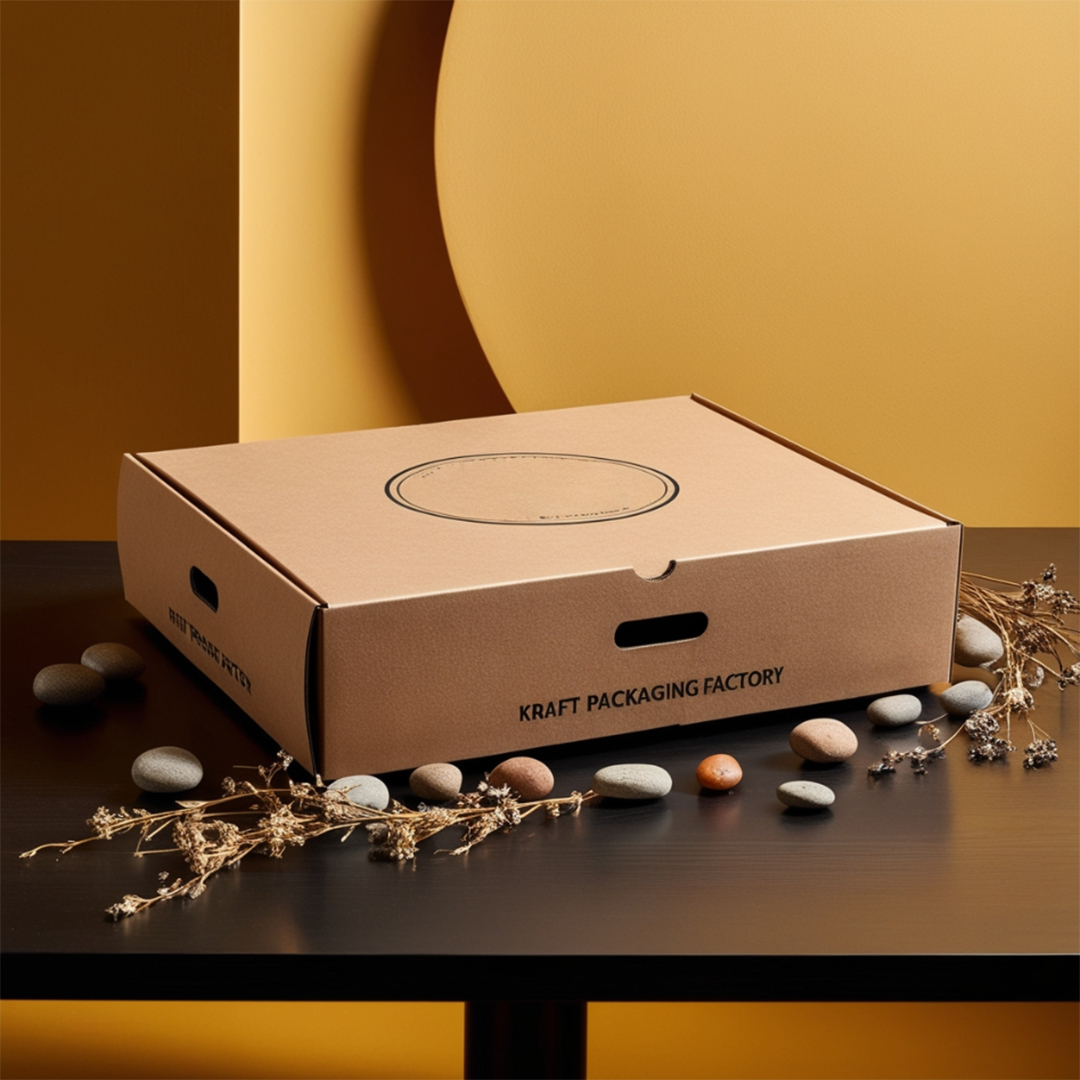
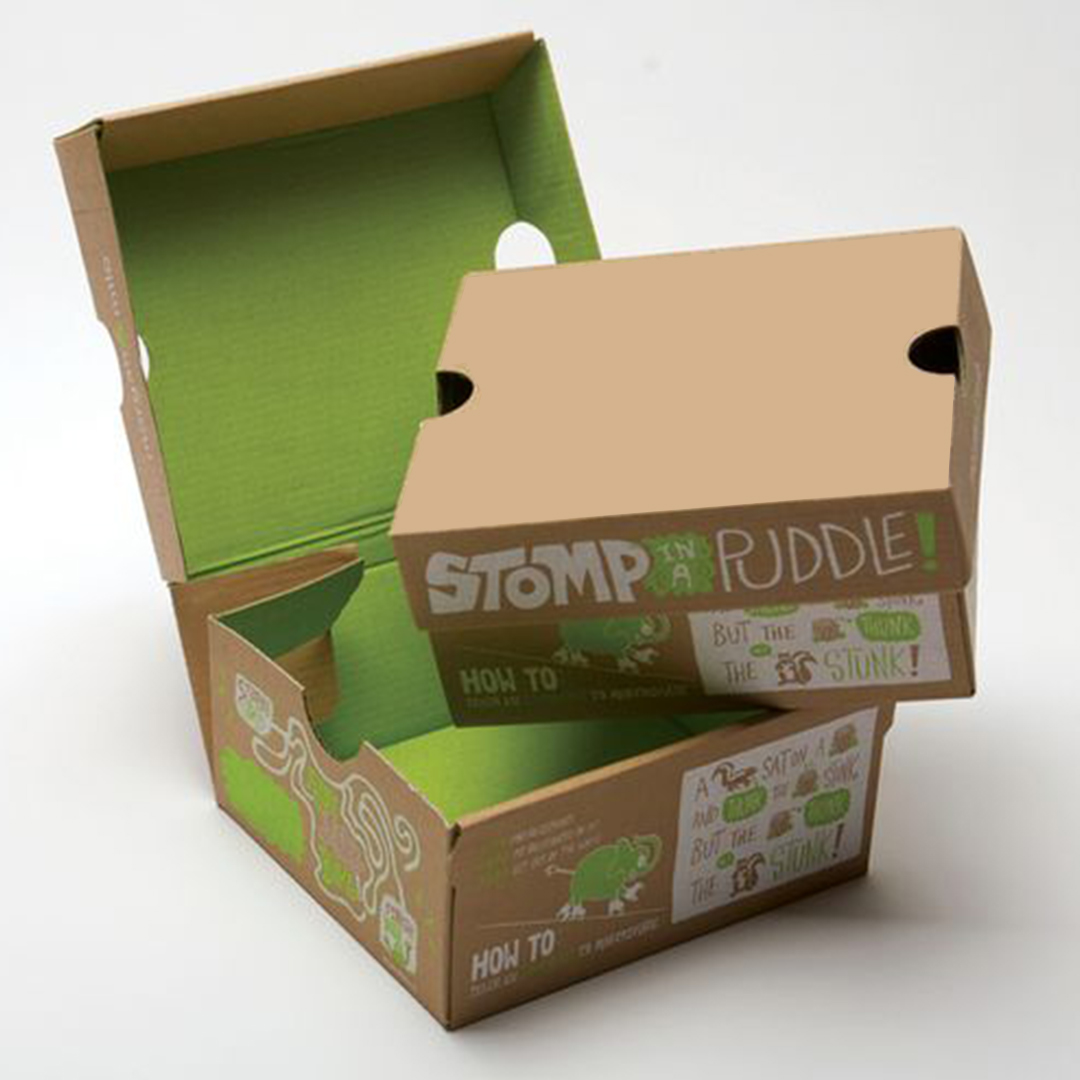
Kraft puzzle packaging boxes help keep puzzle sets neat from packing to unboxing, especially when pieces, booklets, and reference cards must stay together. Many brands start with Kraft Toy Packaging Boxes to keep a consistent look across playful product lines while still using a clean kraft finish. A sturdy kraft build supports handling in studios, warehouses, and delivery cartons where light rubbing can mark softer packaging. When the fit is planned properly, the box keeps pieces from drifting and keeps the set organized after the first opening.
A puzzle pack often needs more than a simple box shape, because pieces can slide, mix, and settle into corners during transit. That is why kraft cardboard puzzle boxes are usually planned with an insert, divider, or inner pocket to control movement. If you store puzzles at home, the same structure helps the box stay presentable after repeat use. If you are comparing packaging boxes wholesale options, look at how the lid closes, how corners hold shape, and how the inside layout controls loose parts.
What Makes Puzzle Packaging Safe During Shipping
Puzzle packaging stays safe when the outer walls keep their shape and the inside layout reduces movement. A close-fit insert helps pieces stay centered and reduces corner buildup that can stress the box. When the lid sits flush and the base stays square, stacking becomes easier and surface rubbing is reduced in cartons. These details matter more than heavy wording or extra decoration.
Another part is the packing routine itself. If staff can place the puzzle bag, booklet, and card into a defined space, the kit remains consistent from unit to unit. For e-commerce, a stable box footprint helps cartons pack evenly, which reduces shifting during delivery. For retail, consistent edges and clean panels help the product look aligned on shelves.
Key Packing Notes Buyers Review Before Ordering
- Inner layout keeps pieces from drifting into corners
- Lid fit stays flush after handling and stacking
- Outer panels remain clean under normal carton movement
- Box footprint stacks evenly in storage and shipping cartons
- Insert space supports booklets and small cards
Simple Steps That Help Approve Sizes And Artwork
- Measure puzzle bag thickness with booklet and any cards
- Select a depth that closes without pressure on contents
- Confirm insert layout to separate booklet from pieces
- Check how 6–10 units stack to spot lid gaps early
- Approve print placement away from folds and lid edges
| Feature Focus | Details | Material Options | Finishing Choices | Add-ons & Features | Usage/Application |
|---|---|---|---|---|---|
| Movement Control | Layout reduces shifting of loose pieces | Rigid board + kraft wrap | Matte, Gloss | Divider pocket | E-commerce orders |
| Lid Fit | Flush lid line supports clean stacking | Kraft wrap structure | Matte | Edge wrap control | Retail shelves |
| Insert Space | Supports booklet and reference card | Card insert, tray insert | Matte | Inner pocket | Game sets |
| Corner Strength | Keeps corners firm during handling | Thick board options | Anti-scratch coating | Reinforced base | Shipping cartons |
| Panel Readability | Clean panels for brand and product info | Kraft + print layer | Spot UV on logo | Inside print option | Store display |
Kraft Puzzle Storage Boxes For Parts And Booklets
Kraft puzzle storage boxes are often used when the box needs to stay useful after the first opening, not only during delivery. Many brands align these packs with Kraft Toy Packaging so puzzles, board games, and learning sets share a consistent kraft look across the same category. The key is to keep the inside tidy, because puzzle pieces can spill and mix if the layout is not planned. A stable base and clean lid fit help the box stay neat when it is opened often at home, schools, or play areas.
If you are planning kraft cardboard puzzle boxes for repeated storage, inserts matter as much as the outer build. A simple card tray can keep the bag centered, and a booklet slot can prevent bending. When the inside has defined zones, the puzzle set stays organized and the user can repack it without guessing where things belong. That practical convenience is often what people value most after purchase.
How Inserts Keep Pieces From Mixing In Transit
Inserts reduce movement by holding the puzzle bag in a consistent position and preventing it from sliding into corners. A tray insert can also create a flat surface so booklets and cards stay clean. When the inside is organized, the first unboxing looks tidy and the set remains easier to repack after use.
Dividers help when a puzzle includes multiple packs, bonus items, or small tokens. Instead of pieces drifting and pressing on the lid, dividers keep everything in place. This protects corners from pressure and helps the lid close evenly. It also improves repeat storage, because the user sees a clear place for each item.
Key Packing Notes Buyers Review Before Ordering
- Tray insert keeps the puzzle bag centered inside
- Booklet slot prevents bending and corner marks
- Divider zones separate bonus items or extra packs
- Inner layout supports clean repacking after use
- Lid fit stays even when inserts are installed
Simple Steps That Help Approve Sizes And Artwork
- Decide which items need separate zones inside the box
- Choose tray depth so the lid closes without pressure
- Add a booklet pocket if the guide must stay flat
- Confirm insert material choice based on kit weight
- Test repacking to ensure the layout feels intuitive
| Feature Focus | Details | Material Options | Finishing Choices | Add-ons & Features | Usage/Application |
|---|---|---|---|---|---|
| Tray Support | Holds bag and booklet in place | Card tray, EVA tray | Matte | Booklet pocket | Home storage |
| Divider Control | Separates extras and tokens | Card dividers | Matte | Multi-zone layout | Learning sets |
| Repack Ease | Layout stays clear after opening | Insert templates | Matte | Label zones option | Repeat use |
| Lid Pressure | Prevents bulging from thick inserts | Board core sizing | Gloss | Depth control | Premium sets |
| Inner Cleanliness | Reduces scuffs on booklets | Inner liner option | Matte | Printed inner panels | Brand kits |
Kraft Cardboard Puzzle Boxes For Shipping Orders
Kraft cardboard puzzle boxes need a structure that stays square in cartons and a layout that prevents the contents from pressing on corners. In a later-stage ordering plan, Kraft Packaging Wholesale can be used for Kraft Puzzle Packaging Boxes at wholesale prices when you want stable sizing, clean print placement, and consistent reorders across multiple puzzle launches. Shipping cycles add friction, so coatings and carton packing routines matter. A controlled footprint helps cartons stack evenly, which reduces shifting and lowers the chance of corner rub.
Kraft puzzle storage boxes used for delivery should also protect the booklet and keep the puzzle bag from drifting. If the bag slides, weight can settle into one corner and cause pressure marks. Inserts reduce that movement, and a stable base reduces distortion. If you need kraft puzzle packaging boxes in steady online volume, these details help reduce returns caused by crushed corners, scuffed panels, or messy internal presentation.
How To Reduce Corner Rub In Packed Shipping Cartons
Corner rub often comes from movement inside the master carton rather than weak box walls. A consistent carton layout reduces shifting, and corner buffers can help if cartons are tightly packed. A protective finish can reduce visible surface marks that appear when boxes rub during transit. Keeping the box footprint consistent also helps with stable stacking.
Inside the box, movement control helps as well. If the puzzle bag slides, it can push into corners and stress the base. Inserts keep weight centered and reduce pressure points. When you combine stable sizing, a consistent carton plan, and surface protection, the packaging stays cleaner through delivery cycles.
Key Packing Notes Buyers Review Before Ordering
- Carton layout reduces shifting during transit movement
- Protective finish reduces visible rubbing on kraft panels
- Inserts keep puzzle bag weight centered in the box
- Corners stay firm under stacked carton conditions
- Box footprint supports predictable carton packing
Simple Steps That Help Approve Sizes And Artwork
- Confirm master carton count and stacking orientation
- Choose a finish based on handling and transit exposure
- Add insert support to keep contents centered
- Test a short delivery simulation with packed cartons
- Lock repeat settings for consistent reorders