











Description
Kraft Insulated Cold Boxes For Fresh Deliveries
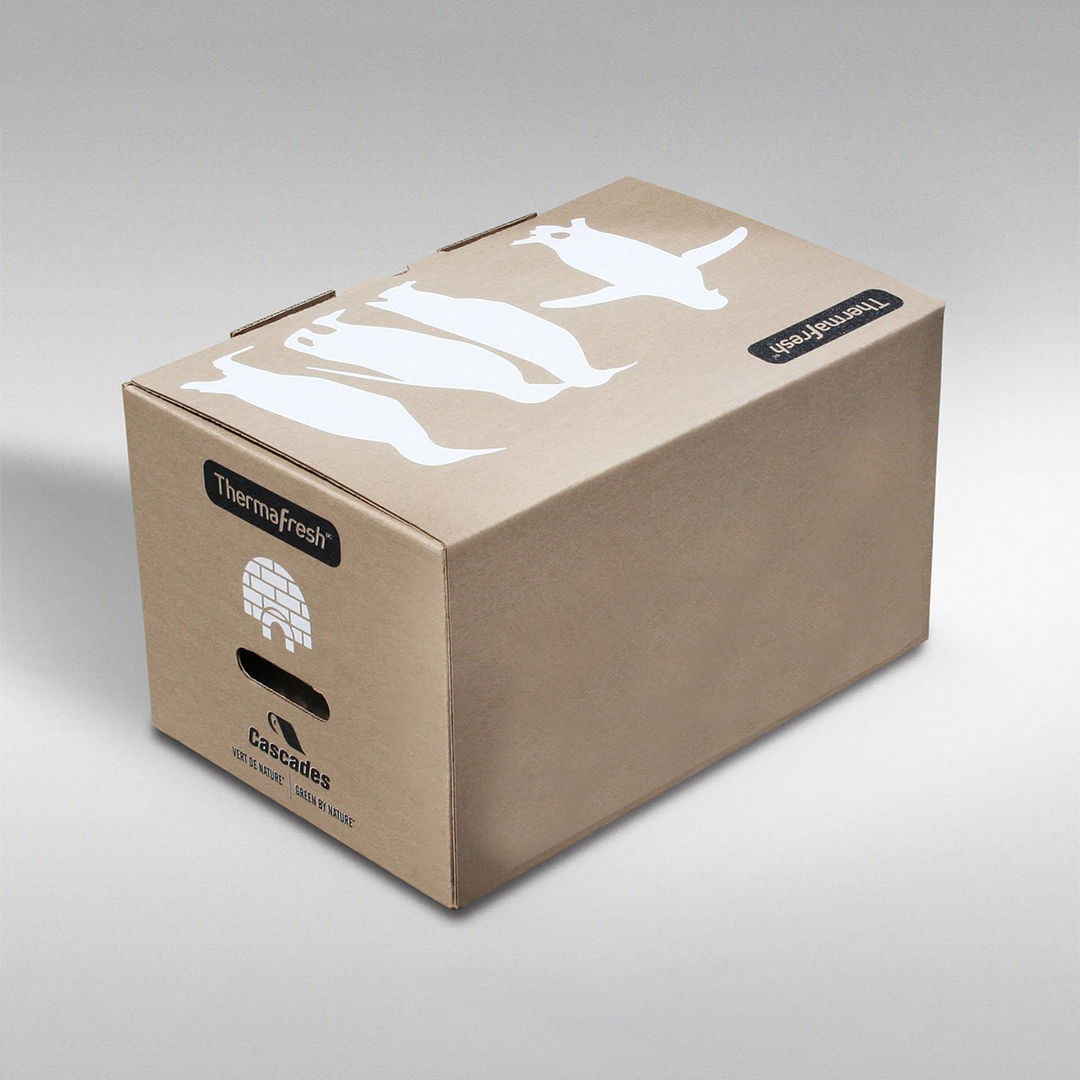
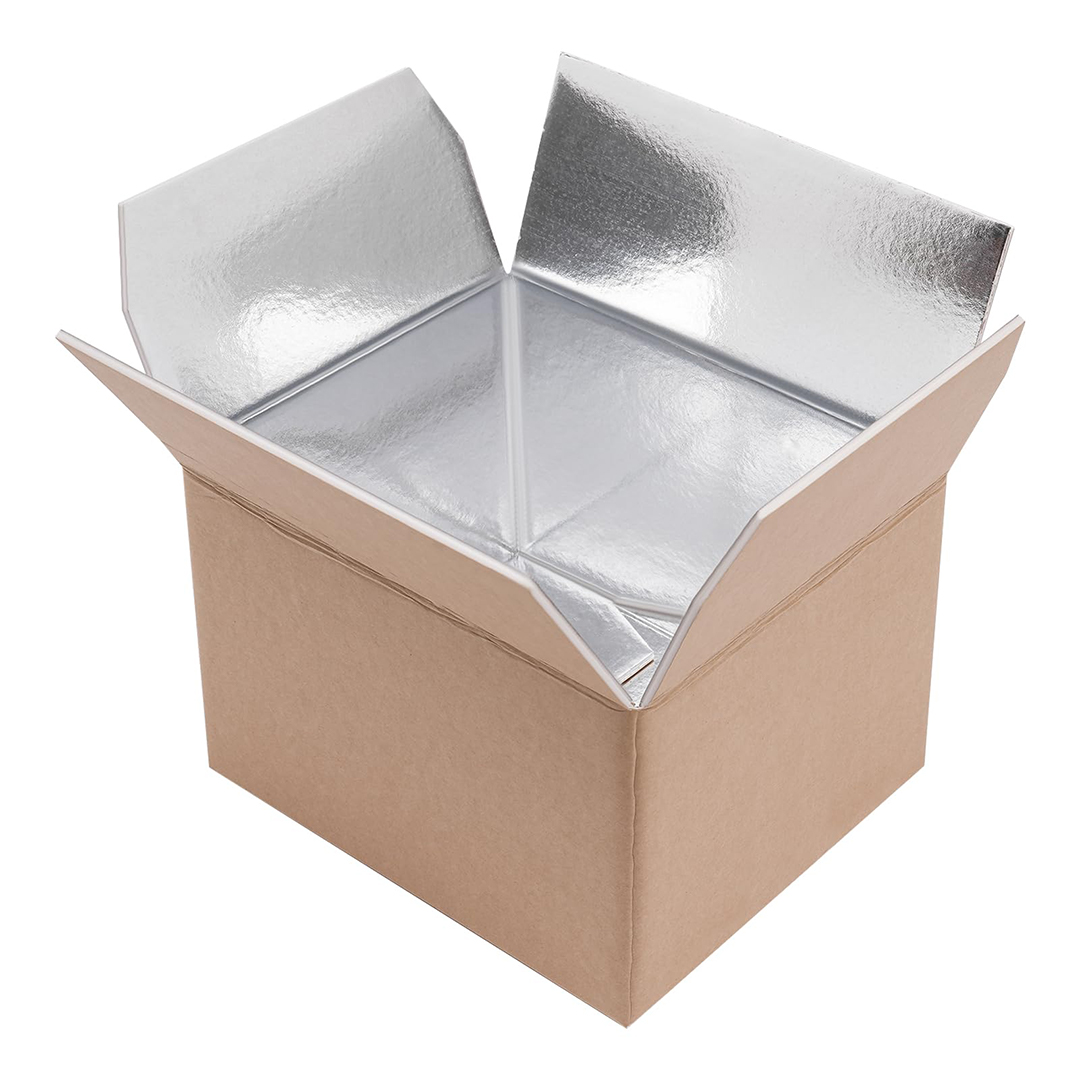
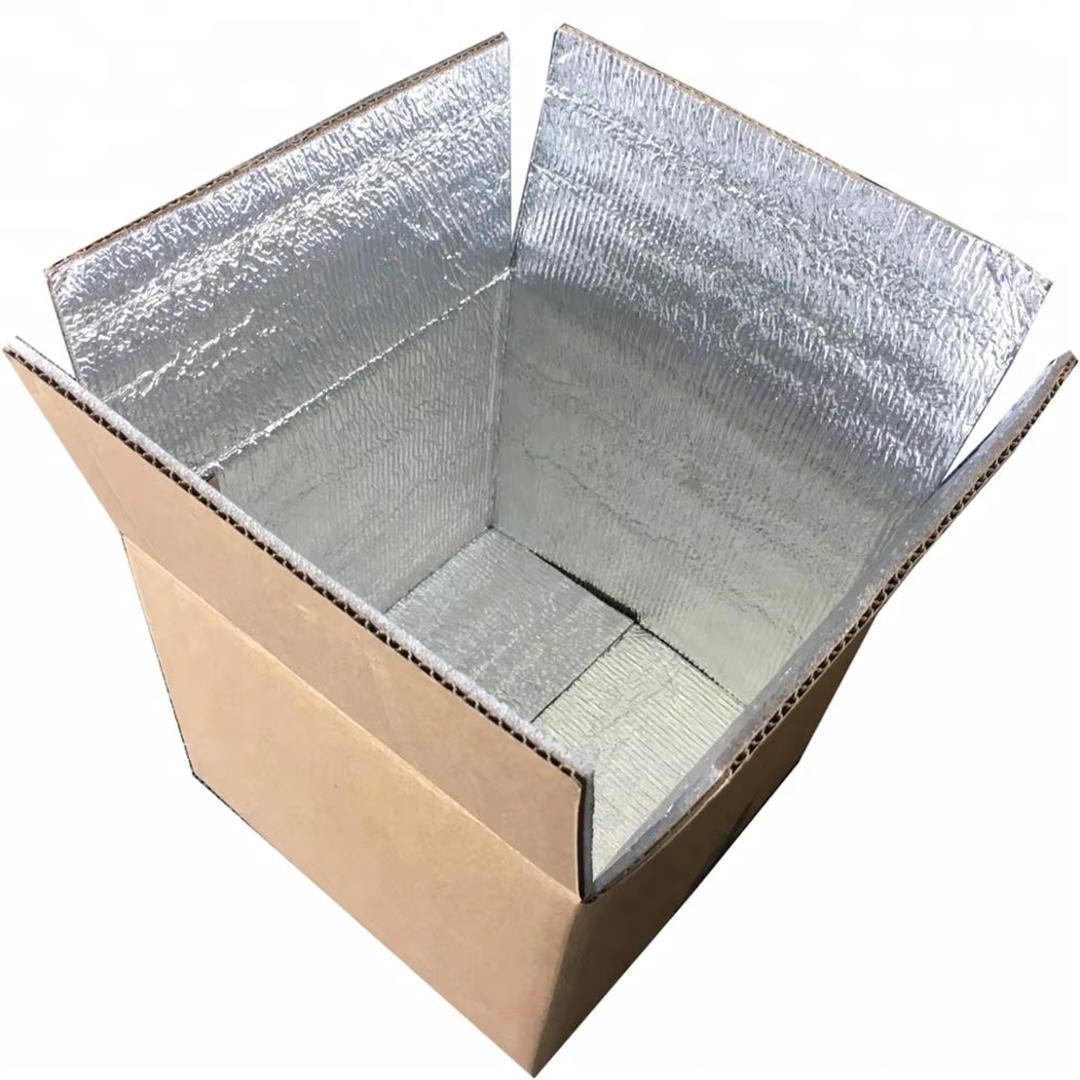
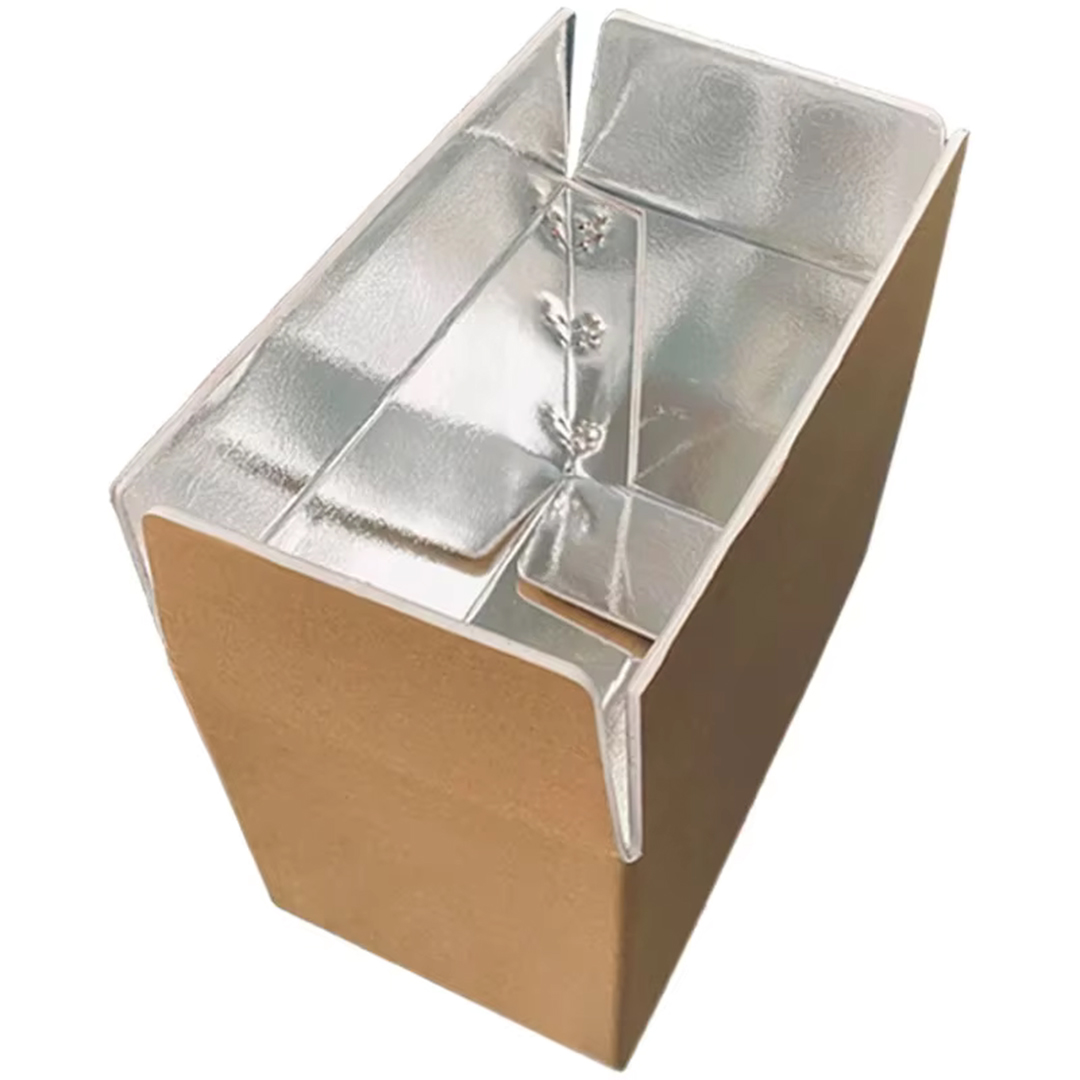
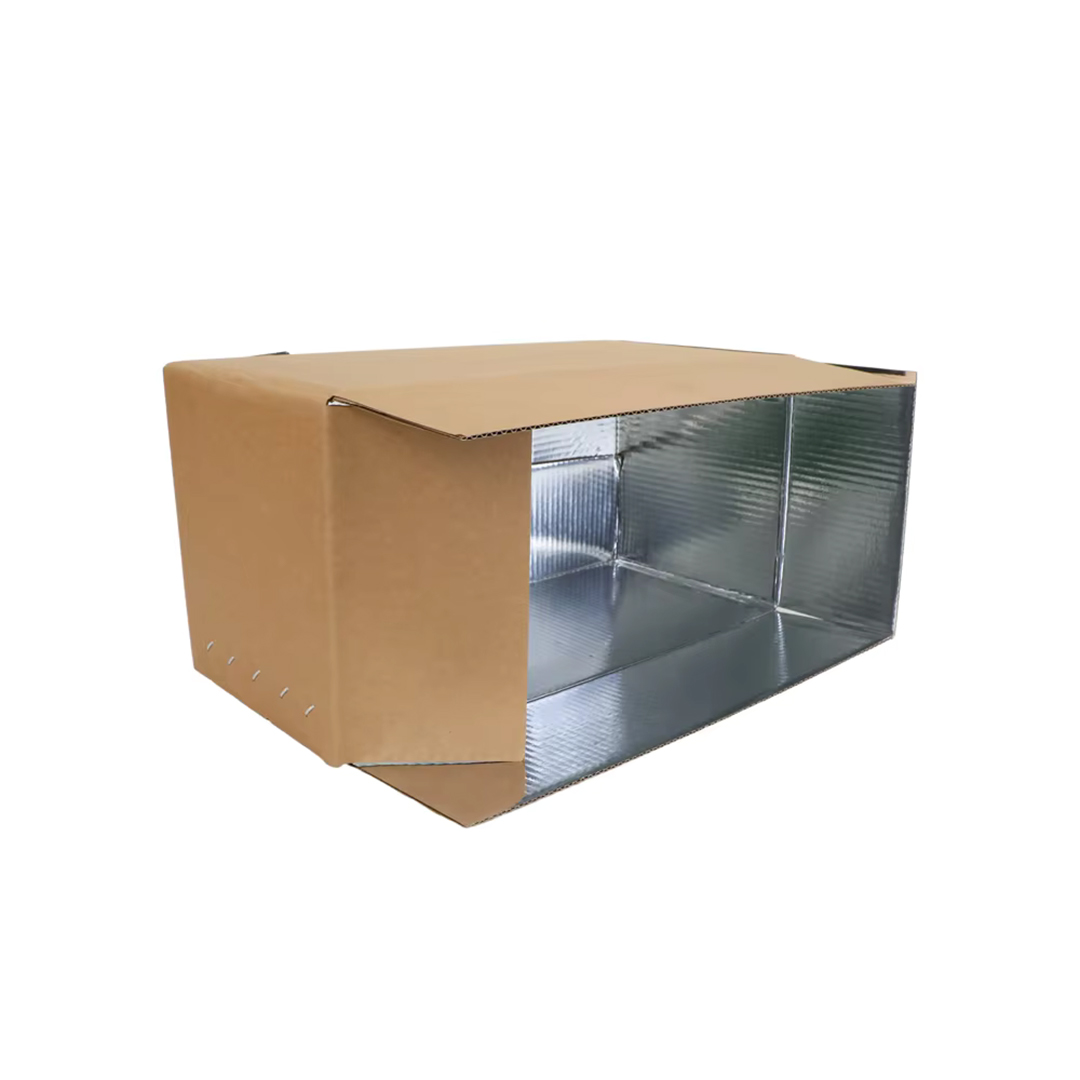
Kraft insulated cold boxes help keep temperature-sensitive items steady from packing to doorstep, especially when gel packs and liners are used together. Many teams compare these builds with Kraft Thermal Kraft Boxes when they need a similar kraft look with insulation-focused construction for short delivery windows. These kraft insulated chiller boxes are commonly used for chilled foods, desserts, skincare, and sample kits that should arrive cool and tidy. The goal is simple in daily operations: the box holds its shape, the cold items stay protected, and the outer pack still looks clean when it reaches the recipient.
Kraft cold storage boxes are usually planned around real handling conditions rather than a single ideal scenario. If the box is packed fast, it needs enough internal space for inserts and ice packs without pressing the lid. If it is shipped in bulk, it needs corners that stay firm inside master cartons to reduce rubbing. When you plan kraft thermal cold boxes with the right internal fit, items stay centered and the cold chain looks more dependable across repeat orders. For insulated kraft boxes for cold items, the most useful improvements often come from size control, insert choice, and a packing routine that teams can repeat without guesswork.
How Do Insulated Kraft Boxes Keep Items Cold In Transit
Insulated kraft boxes keep items cold by limiting heat transfer and reducing internal air movement around the product, so gel packs can work more effectively. A practical definition is this: kraft refrigerated packaging boxes use a structured outer shell and inner insulation space to slow temperature change for short shipping windows. The inner layout matters because a tight, centered arrangement reduces warm air pockets and helps cold packs sit closer to the items they support.
Key Benefits For Cold Chain Packing Workflows
- Slower temperature change when inner gaps are controlled
- Stable packing space for gel packs and protective inserts
- Cleaner presentation for chilled kits and sample drops
- Better carton stacking when outer walls stay firm
- Reduced shifting that can move cold packs off position
Steps For Choosing The Right Cold Box Build Today
- Note the product temperature goal and expected transit time
- Measure items with any wrap, tray, or pouch included
- Plan space for gel packs without pressing the lid
- Choose an insert style to keep items centered in transit
- Confirm carton layout so boxes stack with less surface rub
| Feature Focus | Details | Material Options | Finishing Choices | Add-ons & Features | Usage Application |
|---|---|---|---|---|---|
| Insulation Space | Layout supports cooling elements around items | Kraft wrap with rigid core | Matte, Gloss | Insert channels for gel packs | Chilled foods, skincare |
| Shape Control | Walls stay square under stacking pressure | Thick board builds | Matte | Reinforced base panel | Bulk shipments |
| Inner Stability | Reduces sliding that weakens cooling placement | Card inserts, dividers | Matte | Lift tabs, pockets | Sample kits |
| Transit Handling | Protects corners and edges during movement | Kraft outer wrap | Anti-scratch finish | Corner buffers | Delivery cycles |
| Presentation Order | Supports a neat first view at unboxing | Inner liner options | Spot UV accents | Printed inner panels | Influencer drops |
| Packing Routine | Keeps packing steps repeatable at scale | Standard dielines | Any finish | Pre-set insert layout | High-volume packing |
Kraft Insulated Cold Boxes Wholesale Ordering Guide
Kraft insulated cold boxes wholesale orders work best when size, insulation space, and pack flow are finalized early, because cold chain packing depends on repeatability. Many buyers also review Kraft Industrial Packaging when they need a stronger shipping mindset, tighter handling control, and batch consistency across larger distribution runs. This approach reduces surprises in packing, because the same box depth and insert layout can be used across a full campaign or a recurring delivery program. When you need kraft refrigerated packaging boxes in volume, the steady result is what matters most, not a one-off sample result.
Kraft insulated cold boxes can be planned as a consistent system across several product sizes by keeping one footprint and adjusting depth where needed. This helps when you ship multiple items, like chilled jars, desserts, or product sets that include both cold elements and printed cards. If your goal is stable output, build around the items first and lock gel pack placement next, then confirm the outer size for carton stacking.
What Size Works For Chiller Boxes And Ice Packs
Sizing works when it keeps items centered while leaving planned space for gel packs, liners, and protective inserts. A clear answer is that kraft insulated chiller boxes should be measured around the full packed kit, not just the product, because cooling elements need their own room. If the box is too tight, gel packs press against items and can cause marks. If it is too loose, packs drift and cooling becomes uneven.
Common Uses For Kraft Cold Storage Box Packs Daily
- Chilled food drops that need neat presentation on arrival
- Cold skincare samples that should stay stable in transit
- Dessert kits that ship with gel packs and inserts
- Retail-style cold launches for short delivery windows
- Subscription-style chilled bundles with repeat packing steps
Steps For Packing Ice Packs Without Leakage Risks
- Use sealed gel packs and verify outer wrap condition
- Place gel packs in planned pockets or side channels
- Keep paper inserts away from direct condensation zones
- Center the product so packs stay close during movement
- Close and test shake lightly to confirm no drifting inside
| Feature Focus | Details | Material Options | Finishing Choices | Add-ons & Features | Usage Application |
|---|---|---|---|---|---|
| Size Control | Reduces void so cooling stays consistent | Standard dielines | Matte | Depth options | Bulk orders |
| Gel Pack Placement | Keeps cold source near product surfaces | Insert pockets | Matte | Side channels | Cold items |
| Condensation Control | Helps manage damp zones in transit | Inner liner options | Matte | Moisture barrier layer | Chilled kits |
| Carton Efficiency | Improves stacking and reduces movement | Fixed footprints | Any finish | Carton-fit planning | Distribution |
| Pack Speed | Supports repeat steps for staff teams | Insert templates | Matte | Pre-set layout | Daily packing |
| Reorder Consistency | Keeps next runs matched to the last | Standard wrap | Any finish | QC checkpoints | Wholesale cycles |
Kraft Refrigerated Packaging Boxes For Retail Use
Kraft refrigerated packaging boxes are often selected when a brand wants a kraft outer look while still supporting chilled handling for short delivery windows. In ongoing programs, Kraft Wholesale Packaging provides kraft insulated cold boxes at wholesale prices with custom sizes and styles that fit real packing routines. These boxes can be planned for gel packs, inserts, and neat unboxing order so the inside view stays tidy even after movement in transit. If you need insulated kraft boxes for cold items that also photograph well, the most useful focus is clean sizing, centered placement, and stable outer edges that stay neat in stacked displays.
Finishing and print choices matter because refrigerated shipping can increase rubbing and moisture exposure, especially at corners and edges. Gloss, Matte, and Spot UV options can be used based on handling needs, and many teams also use design and shipping support, fast turnaround times, and high-quality material and printing options when timing is tied to a launch date. When you plan kraft thermal cold boxes with a consistent outer style and a stable insert approach, reorders become easier and the packaging stays matched across campaign cycles. This is also where keywords like kraft cold storage boxes and kraft insulated chiller boxes map to real use, because the box must handle both temperature needs and presentation needs.
Which Finishes Suit Cold Storage Shipping Conditions
Finish selection should match how the box will be handled, stored, and moved, because refrigerated packing can increase surface wear. A direct answer is that matte finishes reduce glare for product photos and can hide minor rub marks better under normal lighting, while gloss finishes can make printed areas appear stronger. Spot UV is often used when you want contrast on a small logo area without changing the full surface feel.
Finish Options That Help Reduce Scuffs In Transit
- Matte finish for calmer photos and reduced glare
- Gloss finish when stronger shine is needed on print areas
- Spot UV for controlled contrast on selected logo zones
- Anti-scratch layer to reduce edge rub in cartons
- Cleaner surface feel for frequent handling cycles
Steps To Prepare Artwork For Cold Box Printing
- Place key branding on the lid and front-facing panels
- Keep text away from fold lines and hinge stress points
- Use spacing that stays readable on kraft tones
- Choose Matte, Gloss, or Spot UV based on handling exposure
- Approve proofs under normal light and studio light conditions