










Description
Kraft Heavy Duty Storage Boxes With Lids For Sorting
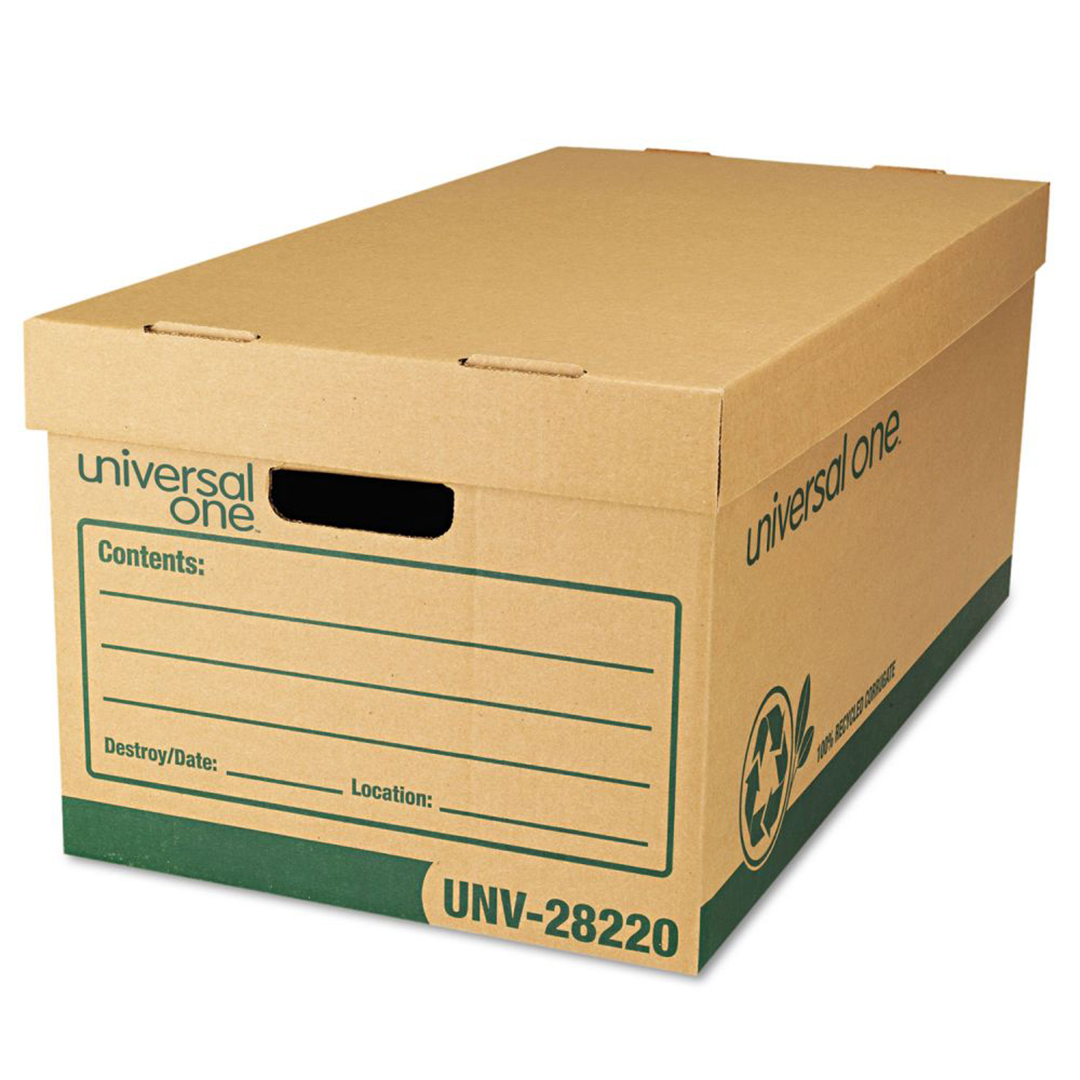
Kraft Heavy Duty Storage Boxes are designed for long-term storage where the box must hold shape, stack cleanly, and protect edges during regular handling. In many bulk storage workflows, Kraft Bulk Shipping Crates are also used alongside these boxes when heavier loads or pallet stacking is part of the same system. The goal is simple to understand in real use, the box should not bow at the sides, the base should not soften, and the lid should sit evenly across the top. Many buyers search specifically for Kraft heavy duty storage boxes with lids when they want a covered format that keeps dust off, keeps labels readable, and keeps contents grouped without extra wrap.
We at Kraft Box Pack offer Kraft Heavy Duty Storage Boxes at wholesale prices with custom sizes and styles for home, office, archive rooms, and warehouse shelves. Options include Matte, Gloss, and Spot UV finishes, plus free design and shipping, quick turnaround timing, and print quality that stays clear on kraft surfaces. The practical benefit is consistency across runs, so the next batch matches the first batch in size, stacking behavior, and surface feel. When the same box is reordered for new inventory or seasonal storage, that consistency keeps shelving systems organized without resizing or relabeling.
What Makes A Storage Box Truly Heavy Duty Inside
A heavy duty storage box is defined by how it behaves under load, not by how it looks in one photo. The board strength needs to support vertical stacking, and the scoring needs to keep corners sharp instead of rounding with time. A stable base panel matters because most stress sits at the bottom when boxes are moved, slid, or stacked. When the build is balanced, the walls stay straight and the lid fits without drifting.
Practical Points For Daily Storage Handling Workflows
- Firm side walls that resist bowing during stacking
- Strong base panel that holds weight without sag
- Clean corner folds that stay sharp over time
- Lid fit that stays even and does not slide
Steps To Plan A Storage Box Setup That Lasts
- Measure items with any inner wrap or sleeves included
- Choose a depth that avoids pressing the lid from inside
- Confirm a stacking height that matches shelf spacing
- Decide label zones on two sides for easy reading
- Select a surface finish based on handling frequency
| Feature Focus | Details | Material Options | Finishing Choices | Add-ons & Features | Usage/Application |
|---|---|---|---|---|---|
| Wall Strength | Holds shape in stacked storage | Kraft wrap over rigid board | Matte, Gloss | Reinforced edges | Archive storage |
| Lid Fit Control | Covers contents and reduces dust | Rigid board lid build | Matte | Tighter lid tolerance | Office sorting |
| Base Stability | Supports weight without sag | Thicker base panel | Anti-scratch coat | Double base option | Warehouse shelves |
| Label Readability | Flat panels for labeling and print | Kraft wrap layers | Spot UV accents | Label zone planning | Inventory systems |
| Handling Durability | Resists corner wear in movement | Strong corner scoring | Matte, Gloss | Corner supports | Moving and storage |
| Reorder Matching | Repeatable sizing in bulk runs | Fixed dieline build | Any finish | QC match points | Long programs |
Heavy Duty Boxes Built For Storage And Moving Needs
Heavy Duty boxes are often selected when storage overlaps with moving, seasonal rotation, or frequent access where the box is opened and closed many times. Many programs combine these boxes with Kraft Industrial Packaging when storage needs extend into heavier handling environments, backroom stacking, or bulk inventory movement. The key is to keep strength consistent so stacks stay level and labels stay visible even after repeated lifting. In practical use, a stable box reduces time spent re-stacking shelves and reduces damage that happens when weak walls buckle under load.
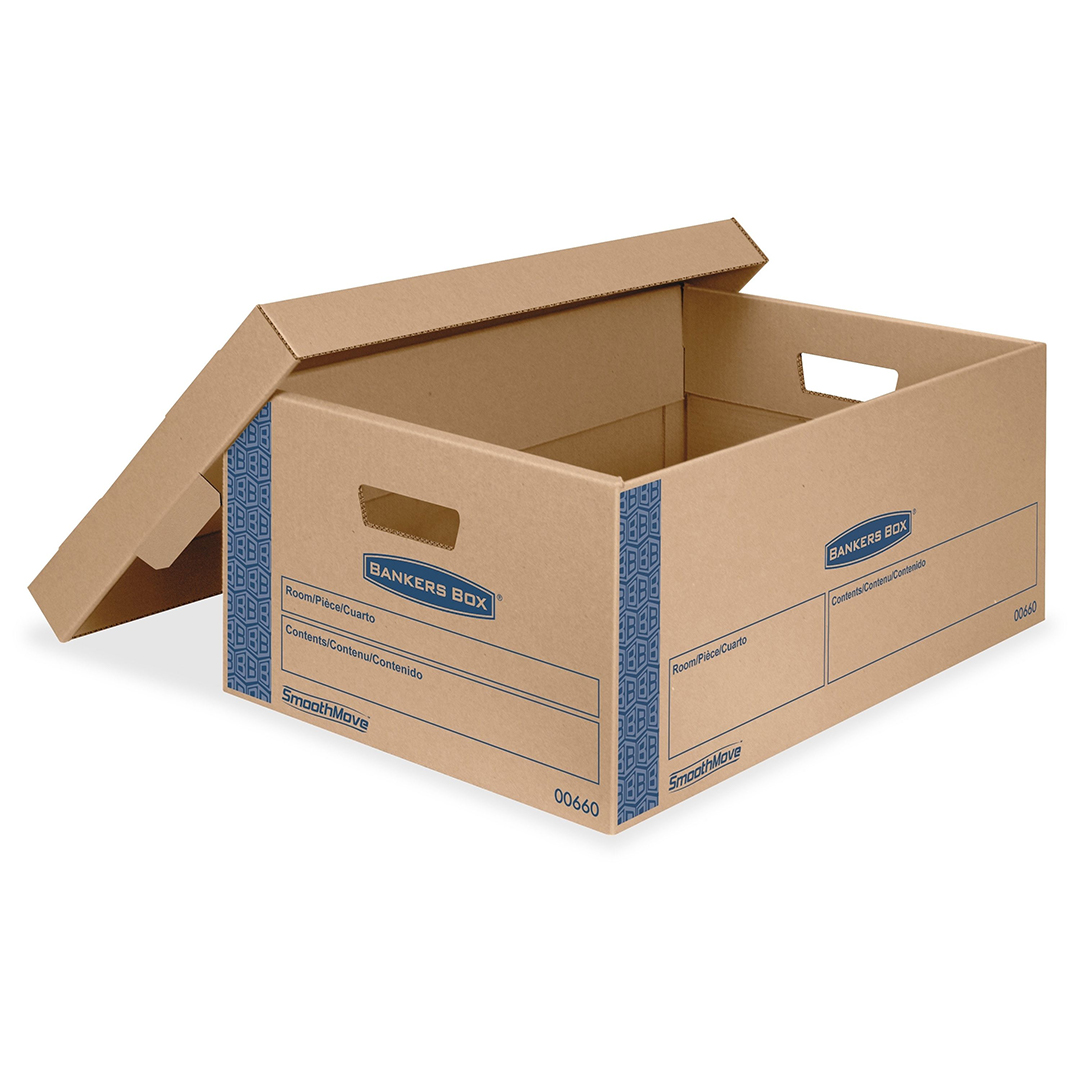
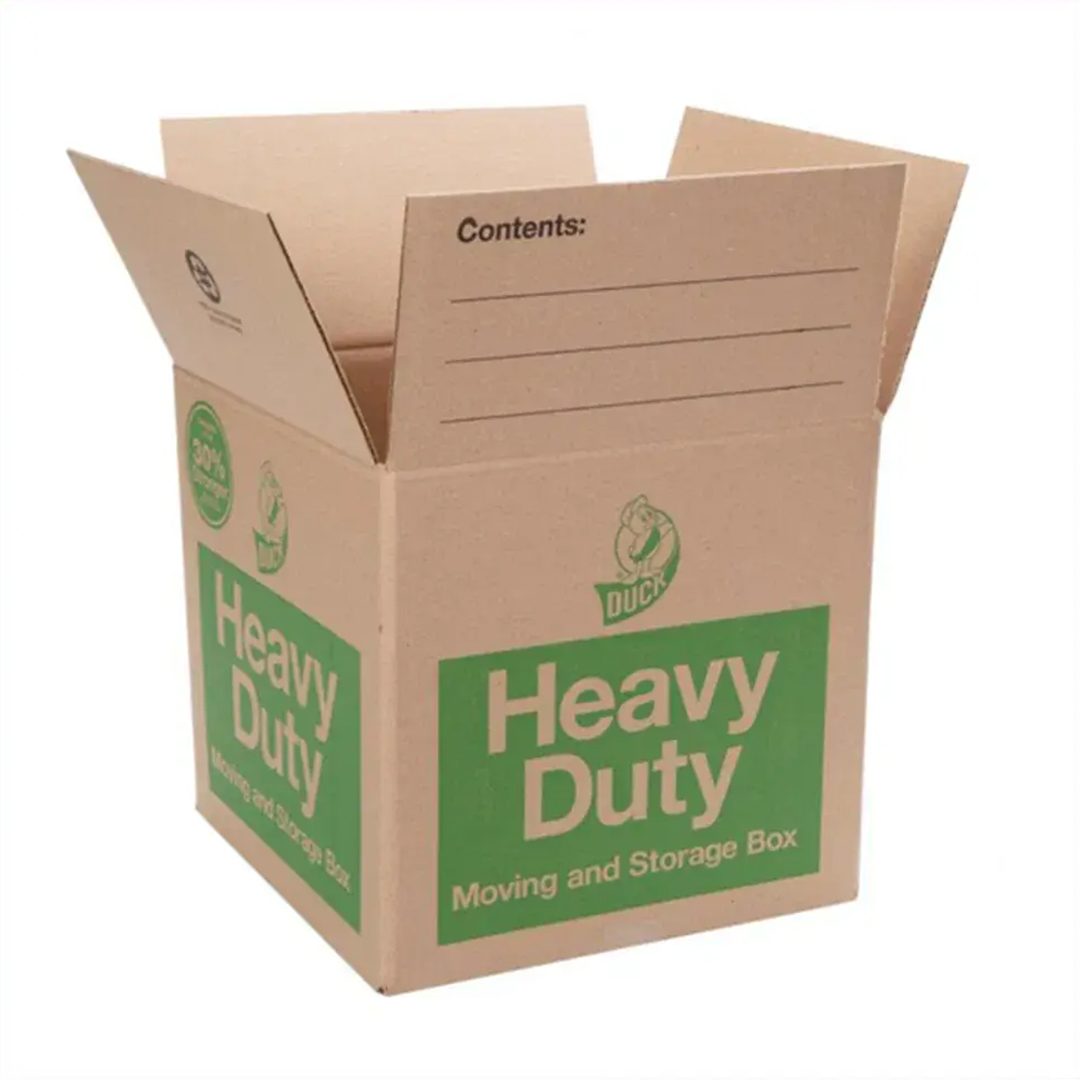
People often compare storage packs against common retail options like Bankers boxes 10 pack or Duck Moving boxes because those are familiar reference points. The difference usually shows up over time, especially when boxes are reused, stacked higher, or filled with heavier items like catalogs, tools, or bulk product units. A heavier kraft build can help keep corners from collapsing and can keep lids from slipping when boxes are slid on shelves. For user intent, the real question is not only how the box looks today, but how it behaves after months of stacking and repeated handling.
How To Pick Board Strength For Long Storage Use
Board strength should match both the weight inside the box and the stacking height on shelves. Light files and small items can use a standard build, while heavier items need stronger side walls and a firmer base panel. If you stack boxes high, wall strength becomes more important because vertical pressure increases with each layer. When the build is right, the stack stays aligned and the top boxes do not tilt.
Key Factors That Influence Storage Strength Decisions
- Item weight and how densely items are packed
- Shelf height and the number of stacked layers
- How often boxes are moved or re-positioned
- Whether the storage area has frequent handling
Steps To Choose The Right Storage Box Build
- Estimate the average weight of a fully packed box
- Decide your typical stacking height on shelves or pallets
- Choose wall strength based on weight and stacking pressure
- Select a finish that fits handling and surface contact
- Test one packed box in a real stack before scaling
| Feature Focus | Details | Material Options | Finishing Choices | Add-ons & Features | Usage/Application |
|---|---|---|---|---|---|
| Load Support | Holds heavier contents without bowing | Thick rigid board + kraft | Matte, Gloss | Extra base layer | Heavy inventory |
| Stack Alignment | Keeps stacks level over time | Reinforced walls | Matte | Corner strength options | Warehouse storage |
| Carry Strength | Resists flex when lifted | Strong side panels | Matte, Gloss | Grip cutouts option | Moving rotation |
| Surface Protection | Limits edge wear from contact | Protective outer wrap | Anti-scratch coat | Edge reinforcement | Backroom handling |
| Program Consistency | Matches reorders in bulk cycles | Fixed dielines | Any finish | QC checkpoints | Ongoing storage |
| Print And Labels | Keeps labels clear and readable | Kraft wrap layers | Spot UV accents | Label zones | Sorting systems |
Bulk Ordering Details For Warehouse Storage Programs
Bulk orders work best when sizing, stacking behavior, and label zones are planned as a system instead of treating each box as a one-off item. Many buyers prefer to standardize storage sizes so shelves look consistent and teams can locate items quickly, and Custom Kraft Packaging supports that approach by keeping repeat runs stable in size, board build, and print placement. When a storage program expands, the same box can be reordered without changing shelf spacing or relabeling methods. That saves time and keeps storage areas cleaner and easier to manage.
In bulk planning, the most useful details include lid fit tolerance, base thickness, and outer surface protection. Matte, Gloss, and Spot UV finishes can be selected based on how visible the storage area is and how often boxes are handled. Custom sizes and styles can help reduce wasted shelf space, and strong printing helps when label panels need to stay readable for months. For many programs, the goal is a box that stacks, stores, and repeats well without small variations that make shelves look uneven.
Where Heavy Storage Boxes Help Daily Workflows
Heavy storage boxes help in areas where items rotate, teams share stock, and labels need to remain readable under daily use. In offices, they support file grouping and seasonal storage. In warehouses, they support parts storage, overstock, and organization for picking and replenishment. In retail backrooms, they help keep inventory grouped by SKU or campaign without constant re-sorting.
Storage Practices That Keep Boxes Neat Longer
- Keep weight balanced and avoid overfilling near corners
- Use consistent label zones on two visible sides
- Stack within the same size group to prevent tilt
- Choose finishes that match handling frequency
Steps To Set Up A Repeatable Storage Program
- Standardize a few sizes that match your shelves
- Assign label zones and keep them consistent per size
- Confirm stacking limits based on expected item weight
- Choose finishes that fit handling and visibility needs
- Reorder using the same build settings for consistency