











Description
Kraft Bulk Shipping Crates For Industrial Loads
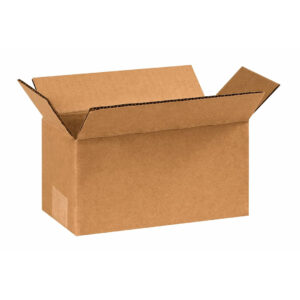
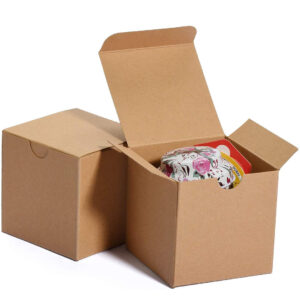
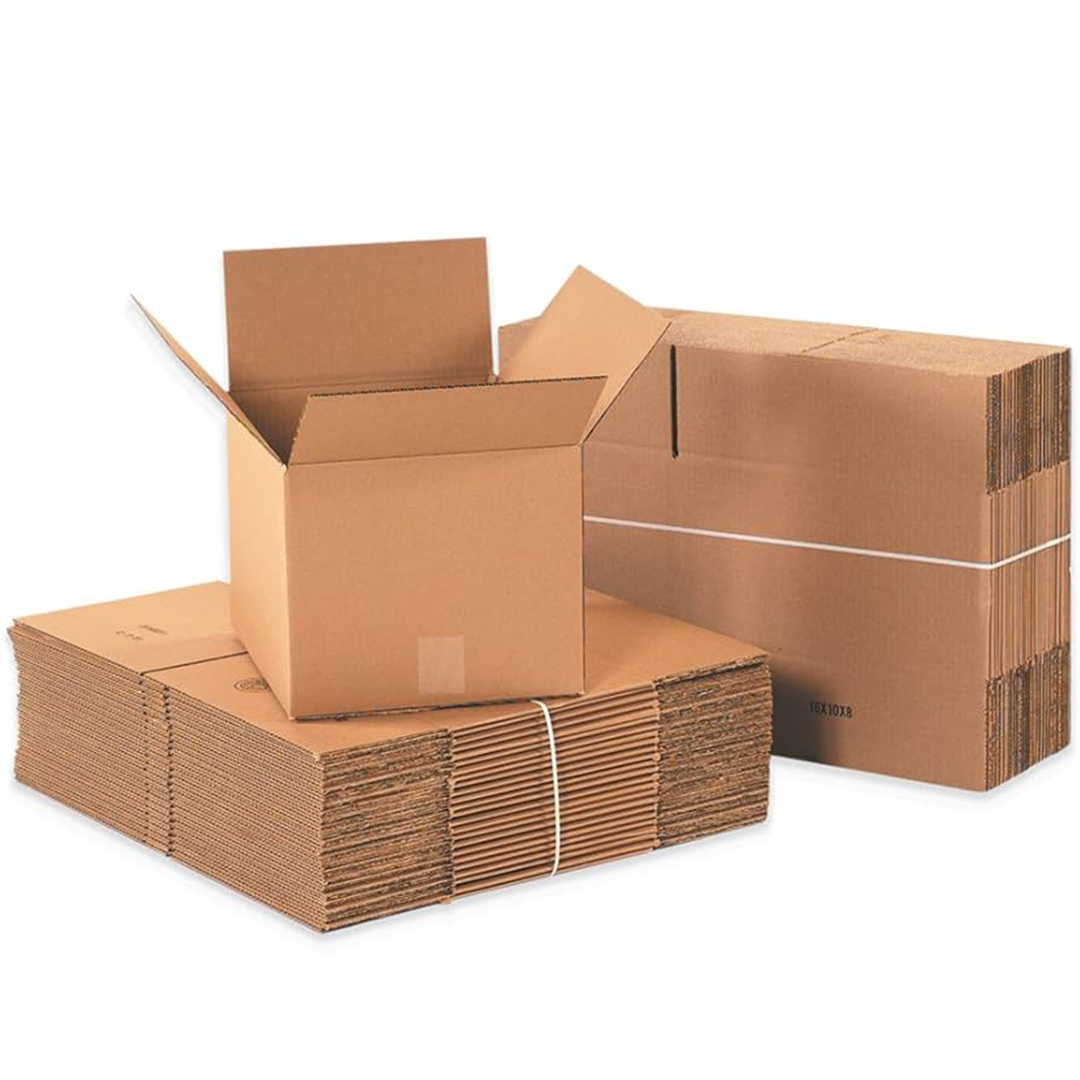
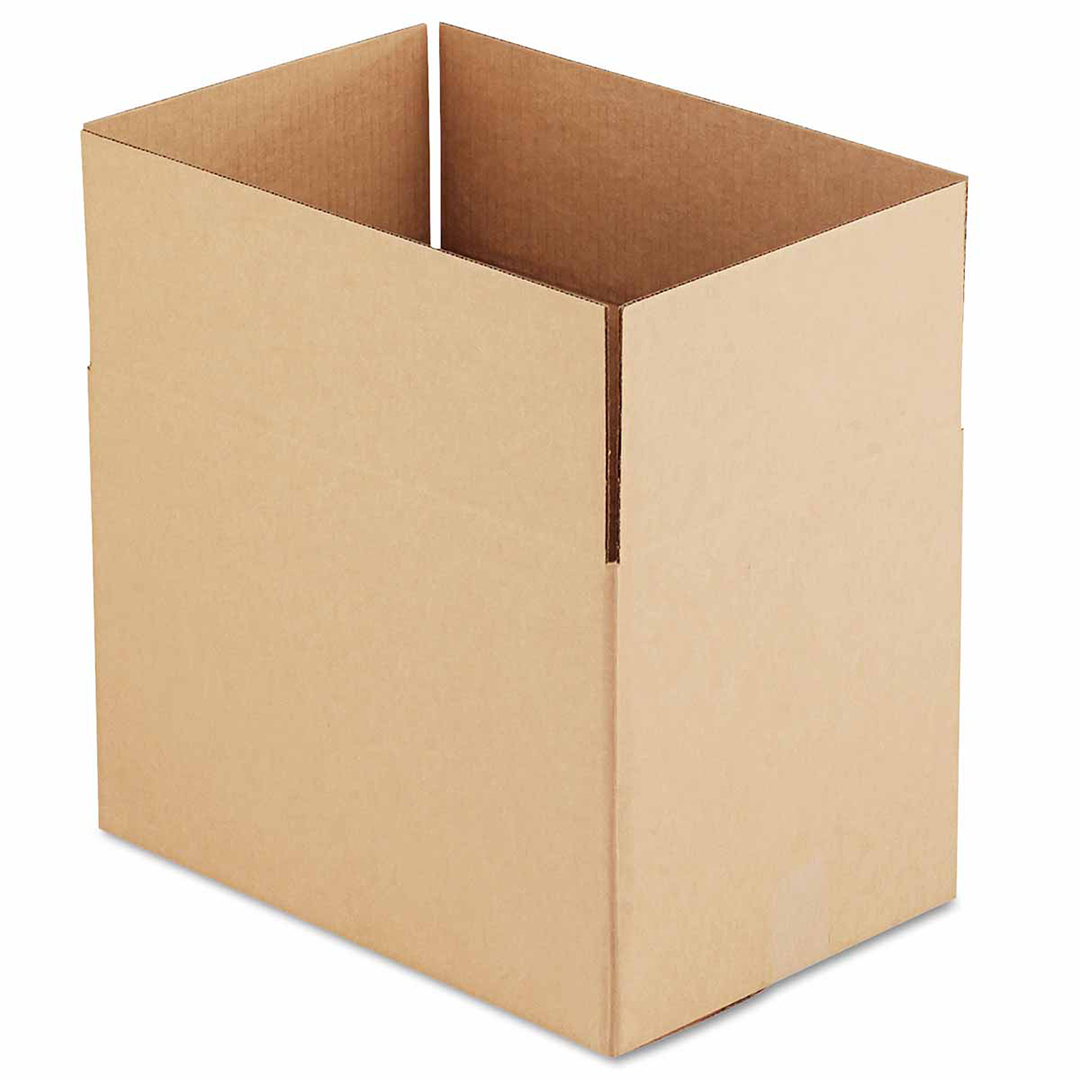
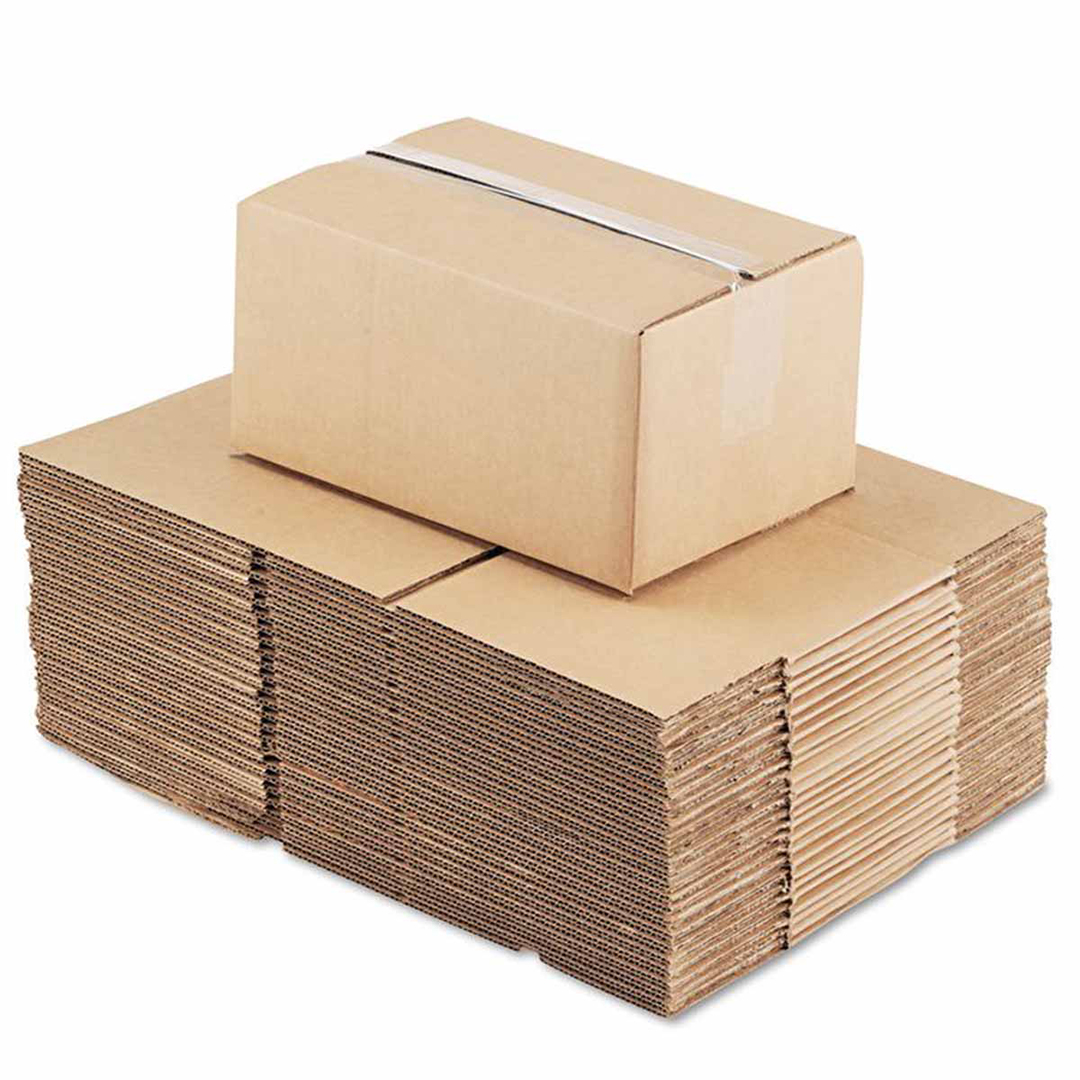
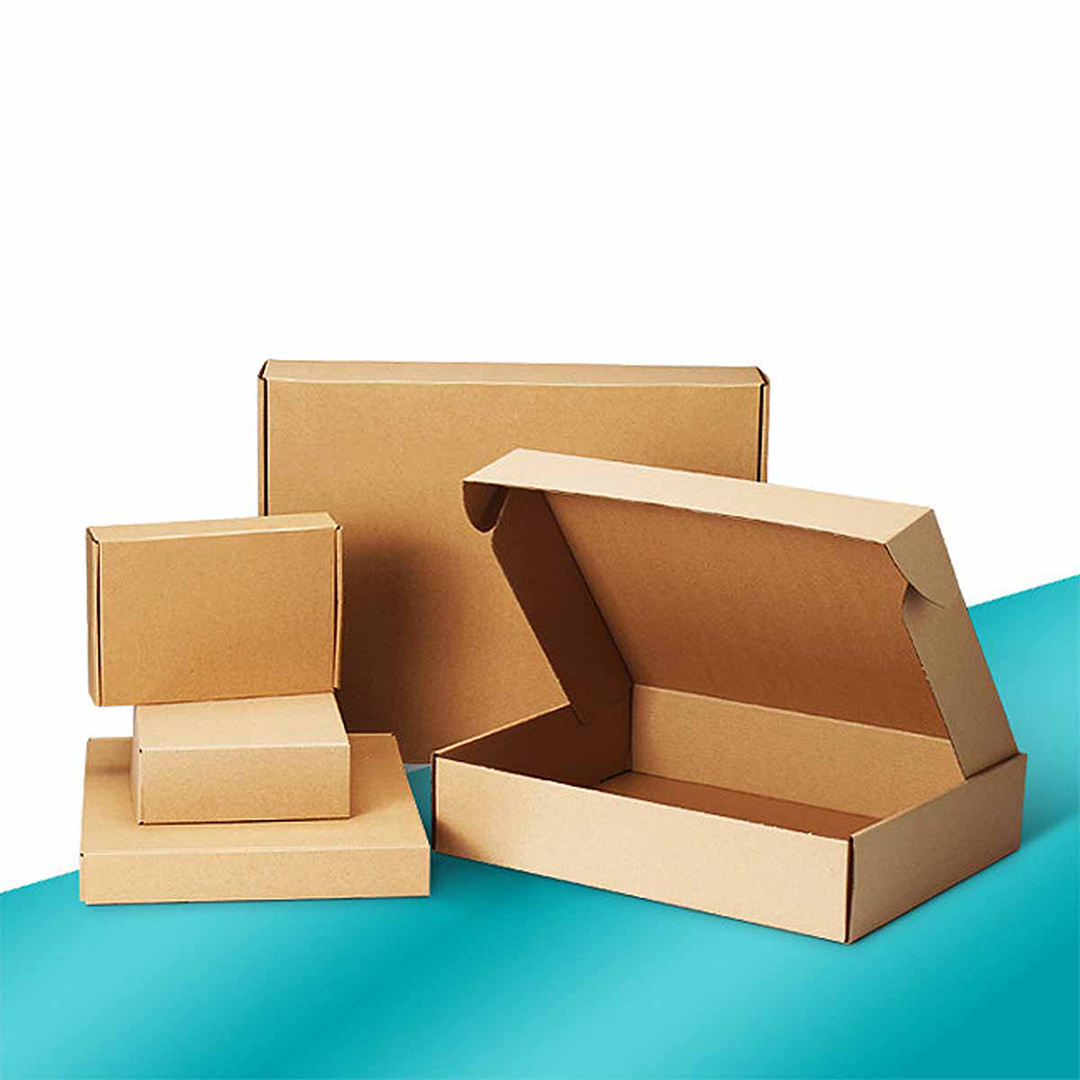
Kraft Bulk Shipping Crates help industrial brands move heavy and medium-weight goods with a steady structure and a calmer warehouse look. Many operations align their pallet and carton layout with Kraft Industrial Parts Boxes so that smaller components and bulk items follow the same kraft-based packing logic. These crates support Kraft bulk shipping crates for sale programs where strength, repeatable sizing, and clear labeling space all matter. They can be matched with Kraft boxes with lids and inner trays when extra protection or part separation is needed for long routes.
These crates suit manufacturing units, hardware suppliers, equipment brands, and distribution centers that send mixed loads on a regular schedule. The board grade and crate design can be sized to handle stacked storage, forklift movement, and long-haul transport. Short, clear panels leave room for product codes, barcodes, and handling icons without clutter. This helps teams maintain order accuracy in busy loading zones. For brands that manage multi-SKU ranges, crate families can be built to support different heights and footprints while keeping a consistent visual theme.
Structural Stability For Repeated Heavy Load Shipping
Kraft-based crate designs use reinforced walls, controlled fold lines, and support points to keep shape under pressure. This helps prevent corner collapse and side bulging when crates sit at the bottom of a stack or on pallet edges. Many teams ask how these crates manage repeated stacking cycles in warehouse aisles. The answer lies in the balance between board thickness, crate geometry, and smart reinforcement at stress points. When these elements work together, handling loads becomes more predictable.
The same structure also supports smooth loading and unloading when goods move through multiple hubs. Clear panel faces help teams read labels quickly under time pressure, which lowers the risk of misrouted cartons. For operations linking crates with Cardboard produce boxes wholesale in mixed fleets, a stable kraft design makes forklift handling more consistent across categories. Over time, this reduces material waste and re-packing effort. The result is a more controlled, repeatable shipping pattern.
Handling and stacking advantages
- Supports tall stacking in warehouses and transit hubs
- Helps reduce corner damage under pallet compression
- Keeps outer walls flatter for easier label scanning
- Works with stretch wrap and strapping systems smoothly
Supply chain performance factors
- Supports steady pallet patterns for heavy mixed loads
- Reduces re-packing caused by crushed or warped crates
- Helps loading teams keep aisles and bays more organized
- Maintains a clearer visual system for route and zone sorting
| Feature | Details | Material options | Finishing choices | Add-ons and features | Usage and application |
|---|---|---|---|---|---|
| Wall strength | Reinforced kraft walls for stacked loads | Heavy kraft board, reinforced liners | Matte, semi-gloss | Extra corner supports | Palletized industrial shipments |
| Base design | Stable base for forklift and pallet use | Multi-layer kraft pads | Anti-scuff surfaces | Skid support panels | Warehouse and hub handling |
| Label panels | Clear zones for codes and routing info | Smooth kraft faces | Printable finishes | Pre-marked label areas | Route sorting and scanning |
| Closure style | Flap or lid-style closures for access | Thick kraft flaps, lid options | Spot UV accents | Strap-friendly edges | Bulk storage and retrieval |
Kraft Bulk Shipping Crates Price And Supply Planning
Kraft bulk shipping crates price planning helps logistics and production teams balance strength, volume, and long-term supply stability. Many brands coordinate high-volume programs with Kraft Industrial Packaging so that crates, inner cartons, and protective wraps come from one aligned kraft system. Pricing discussions often focus on board grade, crate dimensions, and folding style, because each factor shapes both cost and performance. For teams working with Kraft bulk shipping crates for sale, this balance is central to repeat ordering.
Bulk crate programs are usually mapped to route types, load weights, and storage conditions. For example, a crate used for short internal transfers may not need the same board weight as one that supports export routes or long-term warehouse storage. Understanding how often crates are stacked, and how high, helps define the right design. When price and performance align, rework drops and overall supply chain cost stabilizes. This applies whether crates move machinery parts, boxed components, or palletized mixed goods.
Cost Control With Large Kraft Shipping Projects
When larger projects launch, teams often ask how to keep crate budgets predictable while still meeting safety and durability needs. One answer is to standardize a small family of crate sizes that can cover most loads, instead of running many one-off designs. This makes ordering and storage easier while giving planners more leverage on bulk pricing. It also supports clearer internal training, because staff become familiar with a limited set of structures.
Another part of price control is matching crate strength to realistic handling conditions. Some goods may be heavy but not stacked very high, while others are lighter yet stacked more aggressively. Aligning board grade and design with real use, rather than worst-case assumptions, keeps Kraft bulk shipping crates in a more manageable range. Printers can also align artwork blocks to minimize waste during production. Over time, this combination helps keep costs steady without sacrificing safety.
Pricing and planning advantages
- Supports clearer forecasting for crate reorders
- Helps align board grade with real-world handling needs
- Reduces waste linked to oversized or underused crates
- Keeps design families stable for repeat production runs
Wholesale and budgeting points
- Supports multi-route shipping plans with shared crate sizes
- Helps purchasing teams manage year-round crate budgets
- Reduces rush sourcing for last-minute load changes
- Supports better negotiation on long-term supply commitments
| Feature | Details | Material options | Finishing choices | Add-ons and features | Usage and application |
|---|---|---|---|---|---|
| Price tiers | Volume-based pricing for crate families | Heavy kraft, reinforced kraft | Matte, light gloss | Optional print coverage levels | Industrial shipping contracts |
| Size planning | Core sizes mapped to common loads | Board grades by weight band | Standard or upgraded finishes | Modular insert compatibility | Multi-route shipping networks |
| Print strategy | Efficient panel layouts to cut waste | Printable kraft surfaces | PMS/CMYK options | One-color or multi-color schemes | Branded crate programs |
| Volume logistics | Bundled, flat-packed crate supply | Compressed stacks of blanks | Protective wraps | Pallet-ready shipments | High-volume warehouses |
Kraft crates for mixed freight and color box programs
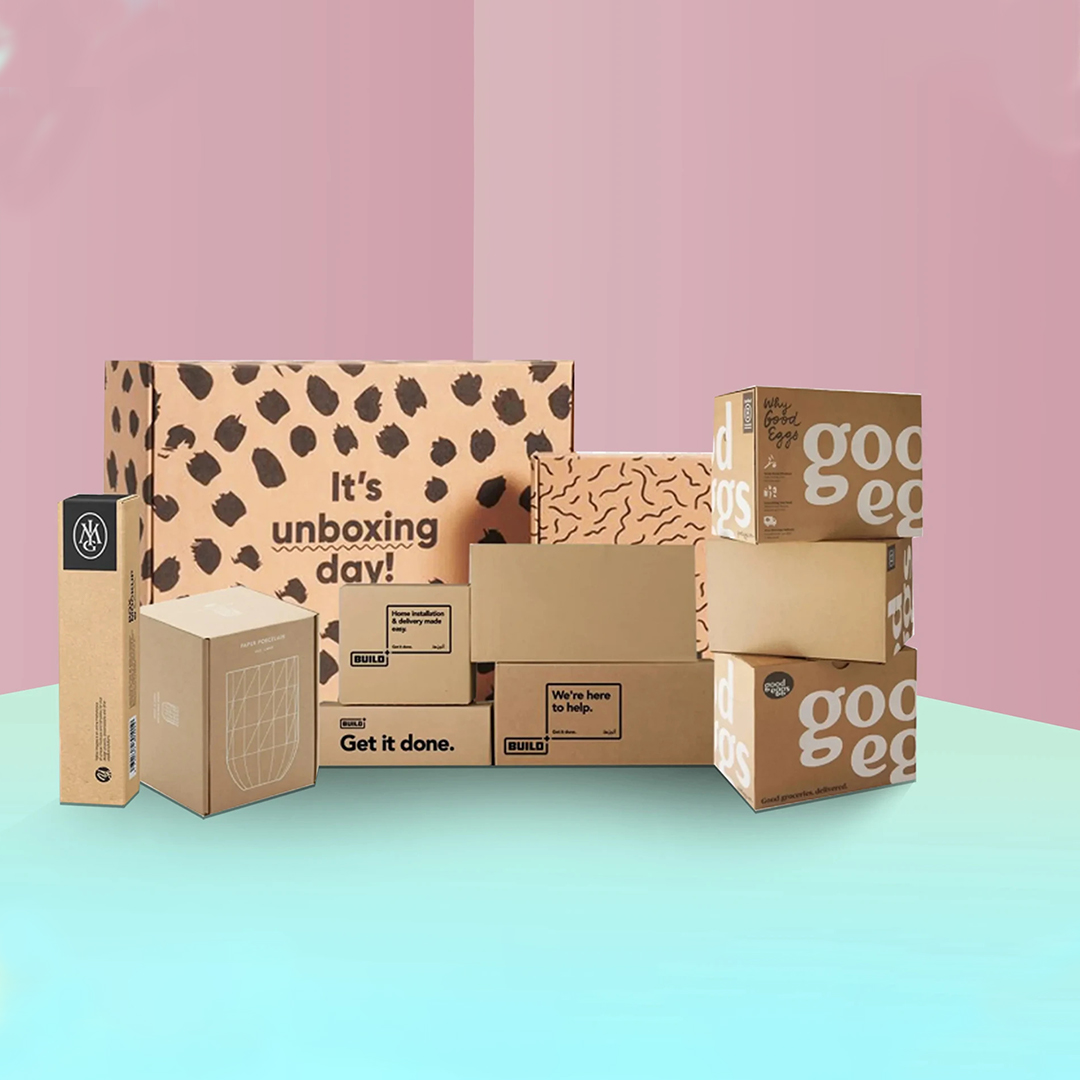
Kraft Bulk Shipping Crates also work alongside packaging fleets that include produce cartons, colored boxes, and branded retail units. Mixed operations often pair heavy-load crates with Kraft Boxes Wholesale solutions for smaller cartons and inner packs so that everything follows a shared kraft-led structure. This makes it easier to integrate Cardboard produce boxes wholesale volumes with heavier industrial or retail goods in the same network. Crates can be designed to hold pallets of produce cartons, boxed parts, or finished retail packaging without major layout changes.
Many brands also use color-led programs for marketing while keeping heavy crates in natural kraft. For example, Black corrugated boxes wholesale and Pink shipping Boxes wholesale can carry small to medium-weight goods, while kraft crates support the outer bulk move. Some campaigns use Large Pink Shipping Boxes and Custom black shipping boxes for direct-to-store drops, loaded inside larger kraft crates for main transport. This layered strategy keeps promotional packaging intact while letting crates manage the heavier structural work.
Coordinating bulk crates with retail and produce lines
As networks grow, planners often ask how to keep industrial and retail-focused packaging aligned. One practical approach is to treat kraft crates as the backbone layer and color or branded boxes as flexible outer shells for consumer-facing units. Crates hold these boxes securely during long-haul transport, then stores or distribution centers handle final placement. This lets marketing teams refresh colors and artwork without changing the heavy packaging framework.
For produce and fast-moving goods, crates can be matched to pallet footprints that suit regional and export standards. Linking crate sizing with Cardboard produce boxes wholesale dimensions helps reduce void space and shifting. At the same time, color-led retail packs can still run on their own programs. By standardizing crates and aligning inner box footprints, networks can operate with fewer surprises during loading. This supports smoother collaboration between logistics and brand teams.
Mixed fleet and branding advantages
- Supports heavier loads beneath retail and produce cartons
- Helps keep colored box programs protected in transit
- Reduces shifting of inner packs on long routes
- Keeps core crate design stable across campaigns
Network and category support points
- Supports produce, retail, and industrial loads in one system
- Helps align crate footprints with pallet and rack layouts
- Reduces carton damage when combining different box styles
- Supports long-term planning for multi-category networks
| Feature | Details | Material options | Finishing choices | Add-ons and features | Usage and application |
|---|---|---|---|---|---|
| Mixed load support | Holds color boxes, produce, and parts | Heavy kraft crate boards | Matte, semi-gloss | Inner skid pads | Multi-category freight |
| Pallet fit | Dimensions tuned to standard pallets | Reinforced kraft bases | Anti-slip options | Edge protectors | Warehouses and DCs |
| Campaign pairing | Works with pink and black box programs | Natural kraft outer shell | Simple logo or code print | Limited accent printing | Seasonal and retail drops |
| Route durability | Stable performance on long routes | Thick multi-layer kraft | Moisture-aware finishes | Strengthened corners | Regional and export shipping |