










Description
Kraft Sock Packaging Boxes For Retail Displays
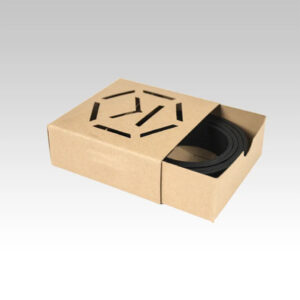
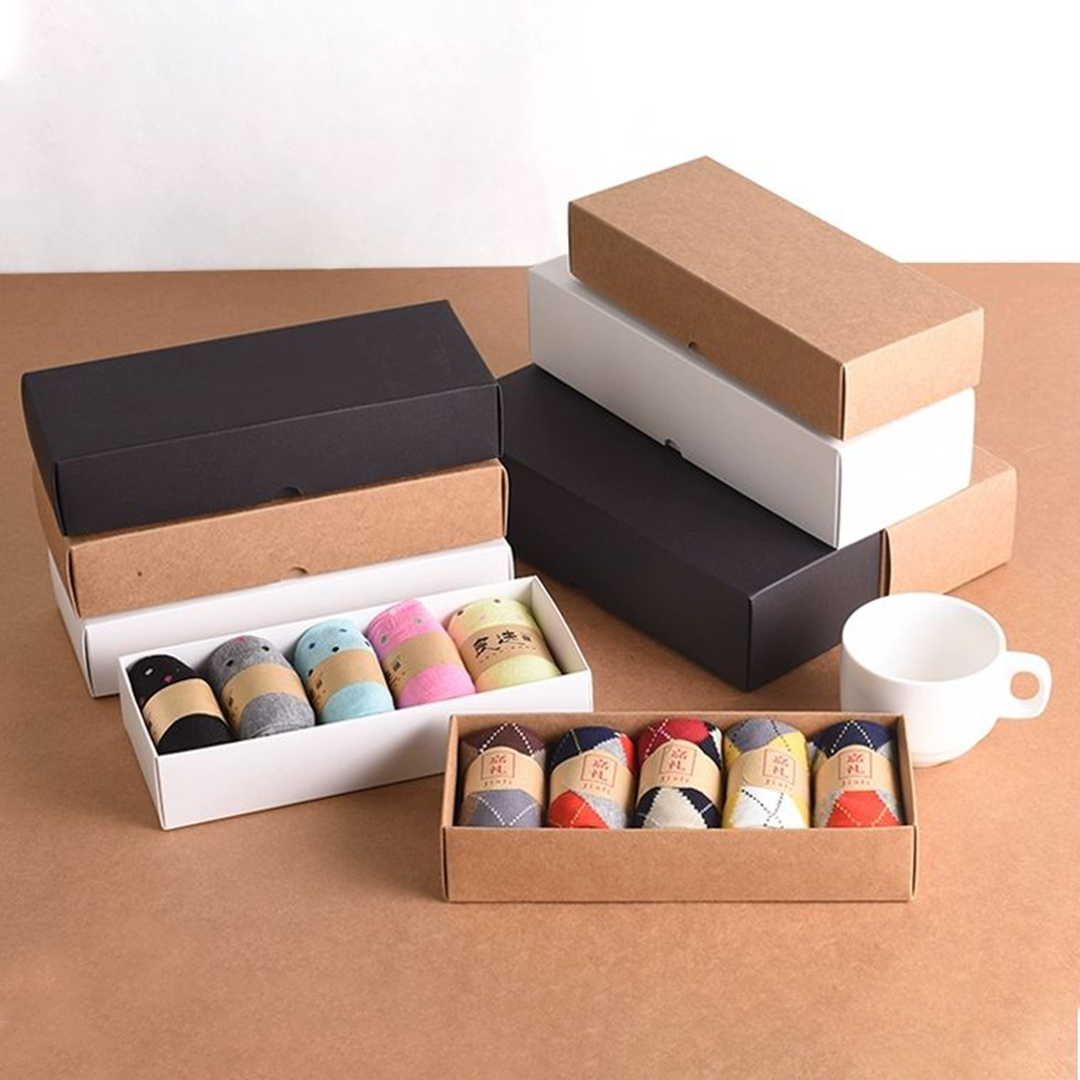
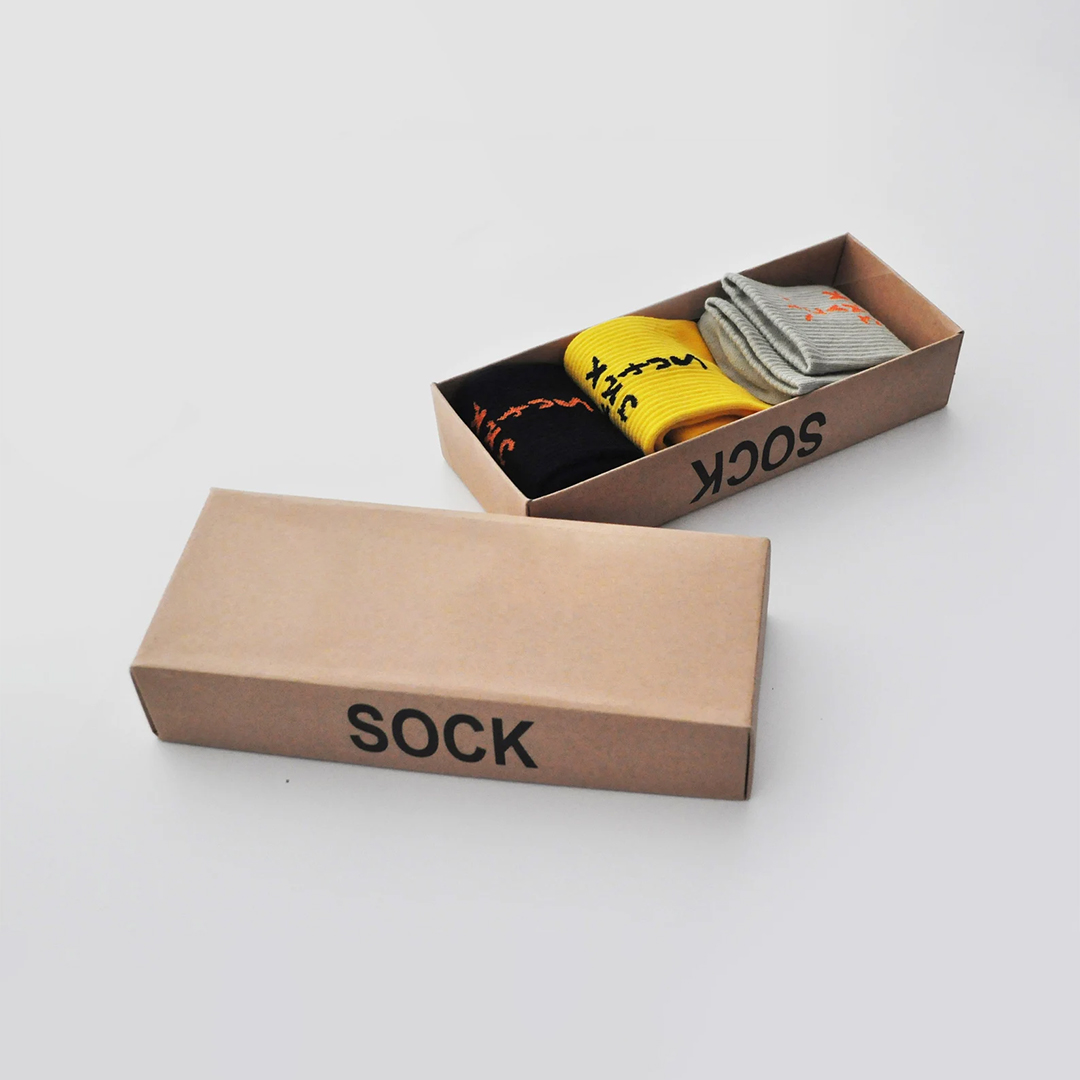
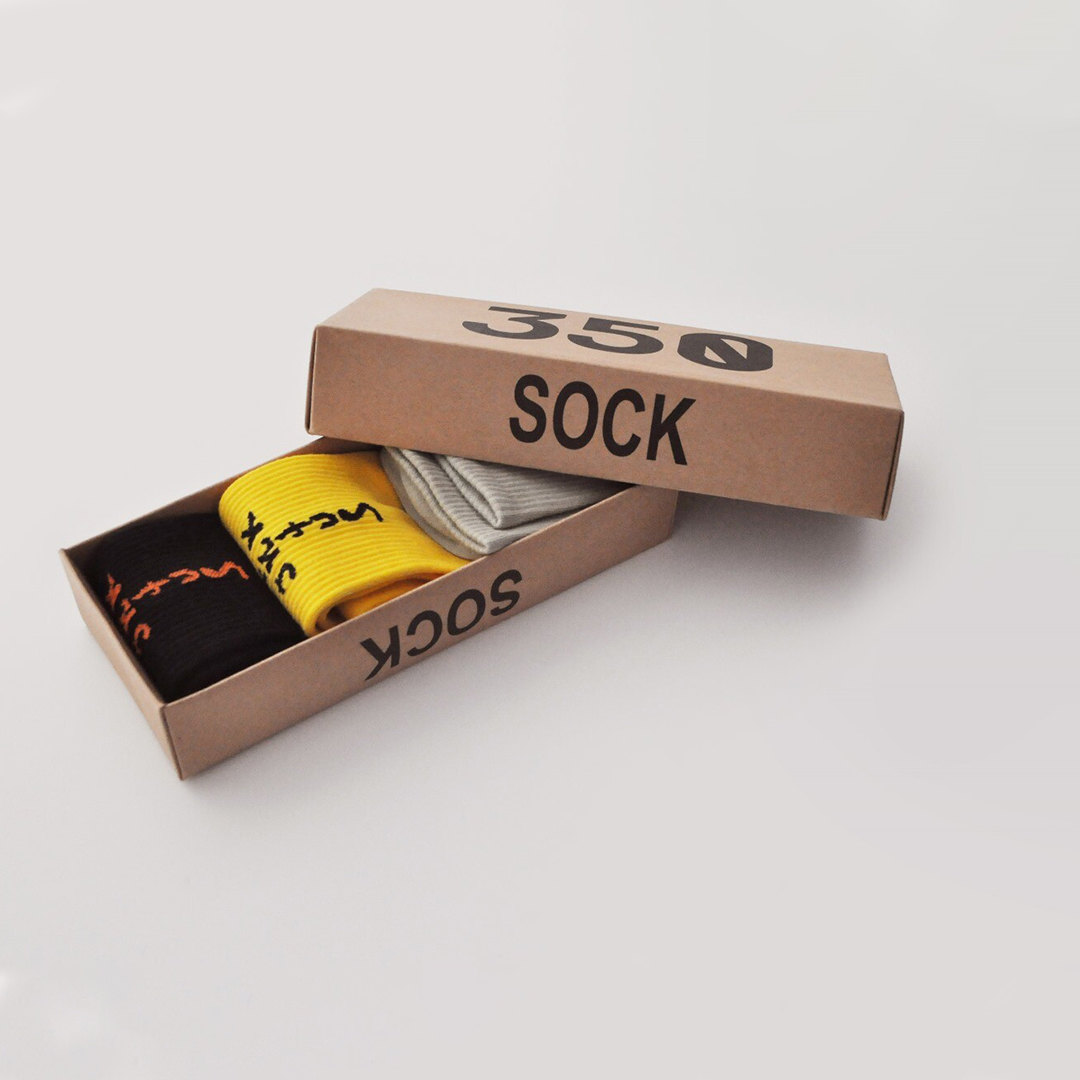
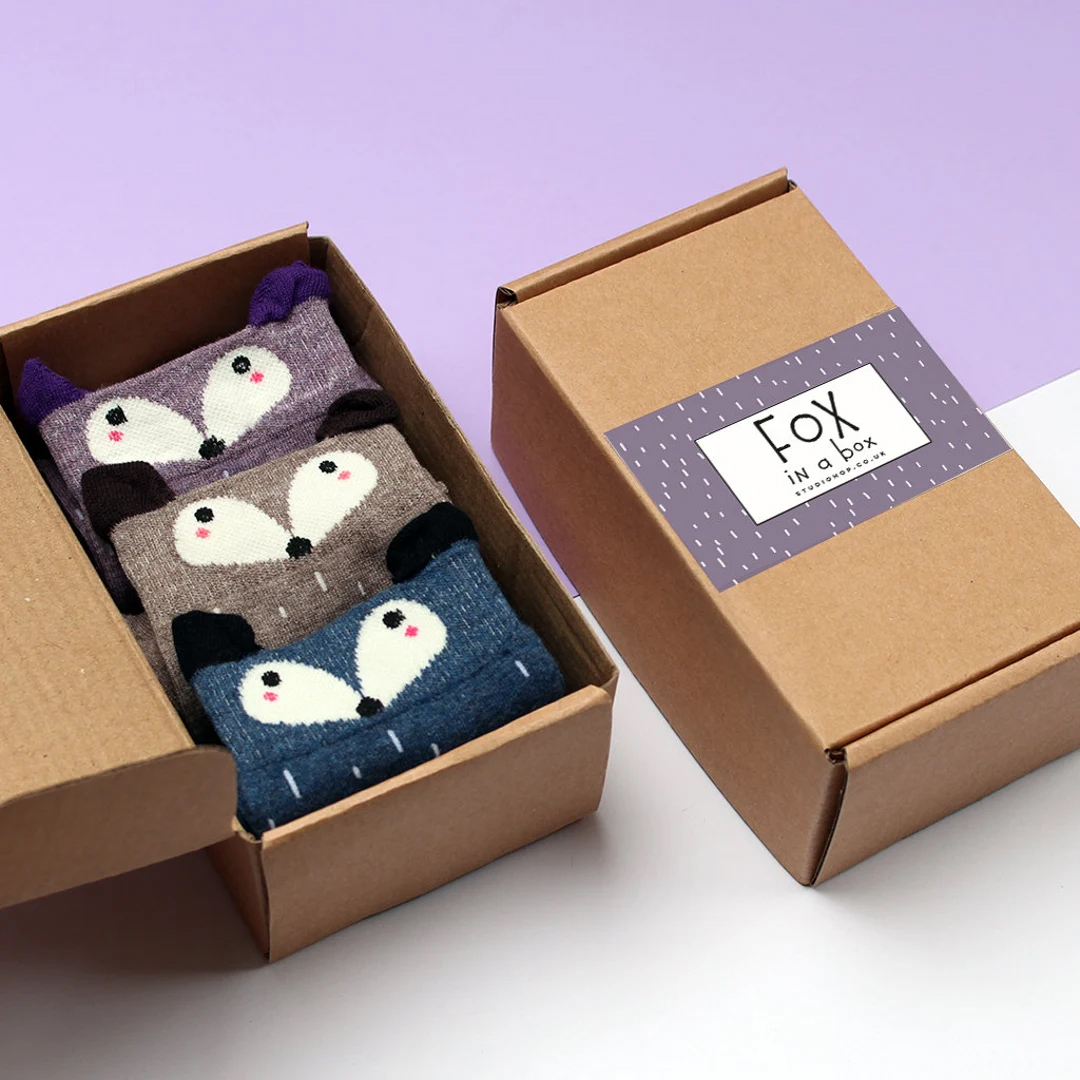
Kraft sock packaging boxes help brands keep pairs folded, aligned, and presentable from shelf to checkout. Many lines that also use Kraft Belt Packaging Boxes prefer a similar kraft look so accessories and apparel packaging feels consistent across a store wall. The box structure protects the fold, reduces edge crushing, and keeps the pair from shifting inside during handling. This matters when customers pick up multiple sizes and staff restock shelves often. In the first 100 words, the key intent stays simple for buyers looking for Kraft sock packaging boxes for sale: steady structure, clean branding zones, and repeatable sizing.
What Makes Sock Box Packaging Look Consistent
Sock packaging looks consistent when the box stays square, the lid or closure stays aligned, and the brand panel remains centered in rows. For many buyers, the visible front edge matters most because it is what customers see first on a shelf. A rigid-feel build and clean folds help keep corners from rounding off during repeated handling. That is why correct scoring and balanced board strength usually matter more than extra decoration in daily retail use.
People often ask how to keep socks from shifting inside the pack. The most reliable method is a close inner fit with simple support like a card insert or a shallow inner tray. This keeps the product centered and reduces rubbing that can mark the inside. When the layout stays stable, the unboxing looks neat and the product looks more intentional, especially for premium pairs and gifting.
Key Buying Points For Sock Packaging Decisions
- Clean front-facing panel that stays centered in shelf rows
- Inner fit planned around folded pairs to reduce movement
- Corner strength that holds shape during restocking cycles
- Finish options that reduce scuffs from daily handling
Steps To Choose The Right Sock Box Size
- Measure folded socks, including bands and tags
- Decide if you will pack single pairs or multi-packs
- Add small clearance for easy placement during packing
- Choose a closure style that matches display handling
- Confirm finish based on shelf touch and transit exposure
| Feature Focus | Details | Material Options | Finishing Choices | Add-ons & Features | Usage/Application |
|---|---|---|---|---|---|
| Shelf Presentation | Keeps pairs aligned and front-facing | Kraft wrap over rigid board | Matte, Gloss | Centered brand panel | Retail displays |
| Inner Fit Control | Reduces shifting during handling | Card insert, shallow tray | Matte feel option | Fold guide insert | Single pair packs |
| Corner Stability | Holds shape during restocking | Strong board grades | Anti-scratch coating | Reinforced base | Store handling |
| Print Zones | Clear space for logos and sizing | Kraft + print layers | Spot UV | Foil accent option | Branded lines |
| Reorder Consistency | Stable dielines for repeat runs | Fixed sizes | Any selected finish | QC checkpoints | Seasonal artwork |
Kraft Tuck End Sock Boxes For Clean Folding Lines
Kraft tuck end sock boxes are used when the goal is a clean fold, fast packing, and a closed look that stays neat on shelves. Many apparel lines that also use Kraft Apparel Boxes choose tuck end styles for socks because they pack quickly and keep the front panel stable in retail rows. The tuck end closure helps hold the fold in place and reduces the chance of socks sliding out when boxes are handled frequently. This is useful for stores that restock often or ship small orders from backroom inventory. When you need a reliable structure for Sock Box packaging, tuck end styles are often the simplest to repeat across runs.
The key to a tuck end sock box is correct depth and clean scoring so the closure folds without cracking the kraft surface. If you pack thick winter socks, the depth needs extra clearance so the tuck does not strain. If you pack thin dress socks, a tighter fit helps keep the pair centered. Inserts can be added for multi-pack stacking, while a simple card support can help keep labels and folds aligned. Matte, Gloss, and Spot UV finishes can be selected based on how much handling the boxes will see in retail and shipping cycles.
Why Tuck End Closures Help Packing Speed In Stores
Tuck end closures help packing speed because staff can close the box in one motion without separate lids or added steps. This supports consistent packing during busy restocking periods and reduces small alignment issues that appear when closures are forced. A clean tuck also keeps the front panel neat, which helps when products are placed in rows and customers compare sizes and colors quickly.
People often ask how to keep the tuck end from loosening after handling. The best approach is correct scoring and enough clearance for the fold, combined with a board strength that holds shape. If the box is too tight, the tuck strains and can show wear. If the box is too loose, the product can shift and push the closure. Balanced sizing keeps the closure stable and the presentation clean.
Points That Make Tuck End Sock Packs Look Neat
- Closure stays aligned without gaps on the front edge
- Correct depth prevents strain on folds for thicker socks
- Tight fit reduces product movement inside the pack
- Stable front panel supports clean shelf rows
Steps To Set A Tuck End Sock Box Layout
- Decide the folding method used in your packing routine
- Measure folded pairs with tags and bands included
- Choose depth based on thickness and stack count
- Add inner support if multi-packs shift in transit
- Confirm closure feel after repeated open-close handling
| Feature Focus | Details | Material Options | Finishing Choices | Add-ons & Features | Usage/Application |
|---|---|---|---|---|---|
| Closure Speed | Quick fold-and-close routine | Kraft wrap + board core | Matte, Gloss | Locking tuck design | Retail packing |
| Fold Protection | Keeps pairs aligned inside | Card support insert | Matte feel option | Stack separator | Multi-pack socks |
| Panel Neatness | Front panel stays clean in rows | Strong board grades | Spot UV | Foil accent option | Brand display |
| Depth Control | Matches thick or thin sock folds | Variable depth sizes | Any selected finish | Fit guidance marks | Size ranges |
| Transit Readiness | Reduces shifting in cartons | Board strength options | Anti-scratch coating | Corner buffers | Shipping orders |
Kraft Mailer Sock Packaging For E Commerce Orders
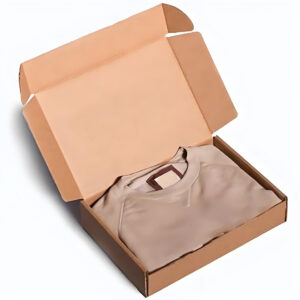
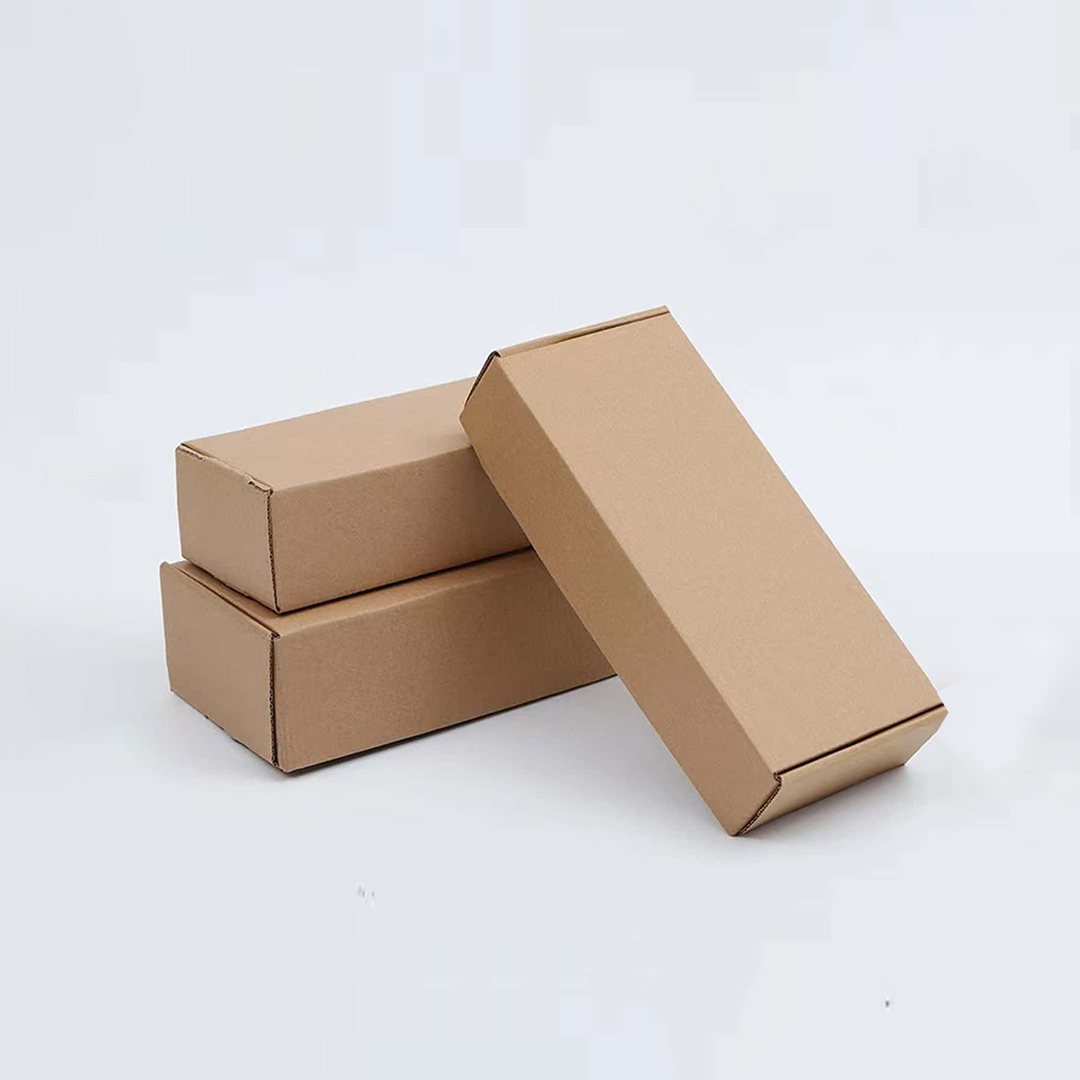
Kraft mailer sock packaging is used when the outer structure needs to handle transit pressure while keeping the product presentation clean at arrival. Brands that ship frequently often choose mailer-style builds because the box adds protection without requiring extra outer packing for every order. For mailer formats, the key is corner strength and closure integrity, so the box does not pop open under movement. A close inner fit also matters, because movement inside the mailer can cause rubbing and makes the unboxing look less organized. When buyers search Kraft sock packaging boxes for sale with shipping in mind, mailer builds are often compared directly against tuck end and sleeve styles.
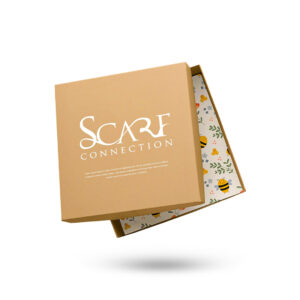
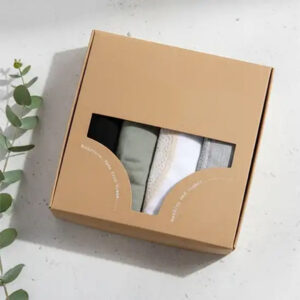
In later-stage planning for repeat ordering, Kraft Box Packaging is commonly used as a reference point for consistent dielines, repeatable sizing, and steady print placement across ongoing sock drops and seasonal color releases. Mailer builds can also be paired with kraft sleeve boxes for socks if the brand wants an inner presentation piece while keeping a protective outer shell for shipping. For visibility-driven lines, kraft window sock boxes can be designed carefully, though mailer formats usually focus on protection first. Flat packed sock boxes can reduce storage space for fulfillment teams, especially when cartons arrive in large quantities before assembly.
What Keeps Mailer Boxes From Crushing In Transit
Mailer boxes resist crushing when the board strength supports the corners and the fold lines are planned to distribute pressure. A stable closure also matters, because a box that flexes at the flap can open slightly during movement. Correct sizing reduces internal shifting, which prevents the socks from pushing against panels and deforming the box shape. When cartons are packed tightly, mailer formats often perform well because they hold their structure under stacked weight.
People often ask whether flat packed formats reduce strength. The answer is that strength comes mainly from board grade and how the folds lock into place after assembly. Flat packed options can still be strong once assembled correctly, and they can improve warehouse efficiency because they store compactly before use. For bulk shipping, planning carton layout and adding simple corner protection can reduce surface rub and keep kraft surfaces looking clean at arrival.
Mail Order Details That Affect Arrival Condition
- Corner strength prevents panel collapse under stacked cartons
- Stable closure reduces opening risk during movement
- Close inner fit limits rubbing and internal shifting
- Finish choice helps reduce visible rub on edges
Steps To Plan A Shipping Ready Sock Mailer Pack
- Choose mailer format based on shipping distance and handling
- Confirm board strength against stacked carton weight
- Set inner clearance so socks do not push against panels
- Select finish based on rub exposure in packed cartons
- Test a carton layout that reduces movement in transit