











Description
Built To Hold Folded Garments Neat In Transit
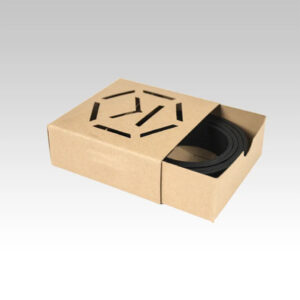
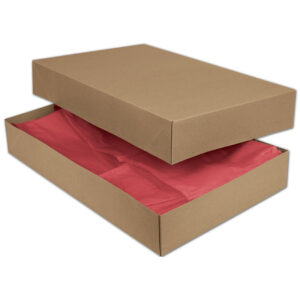
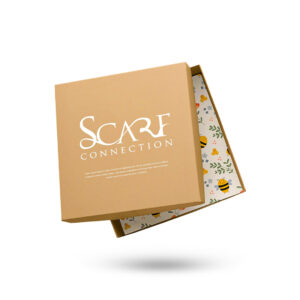
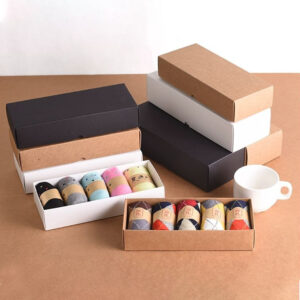
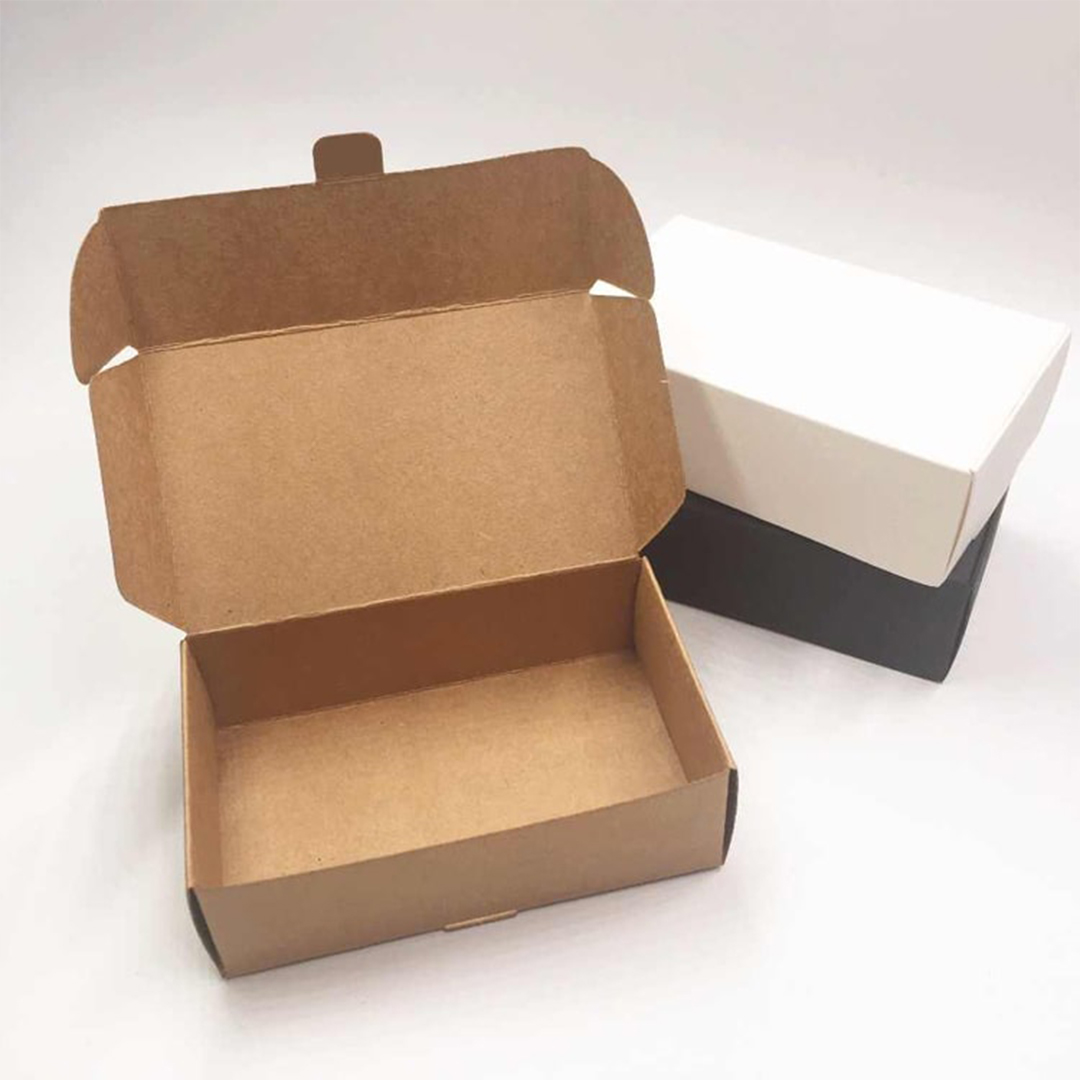
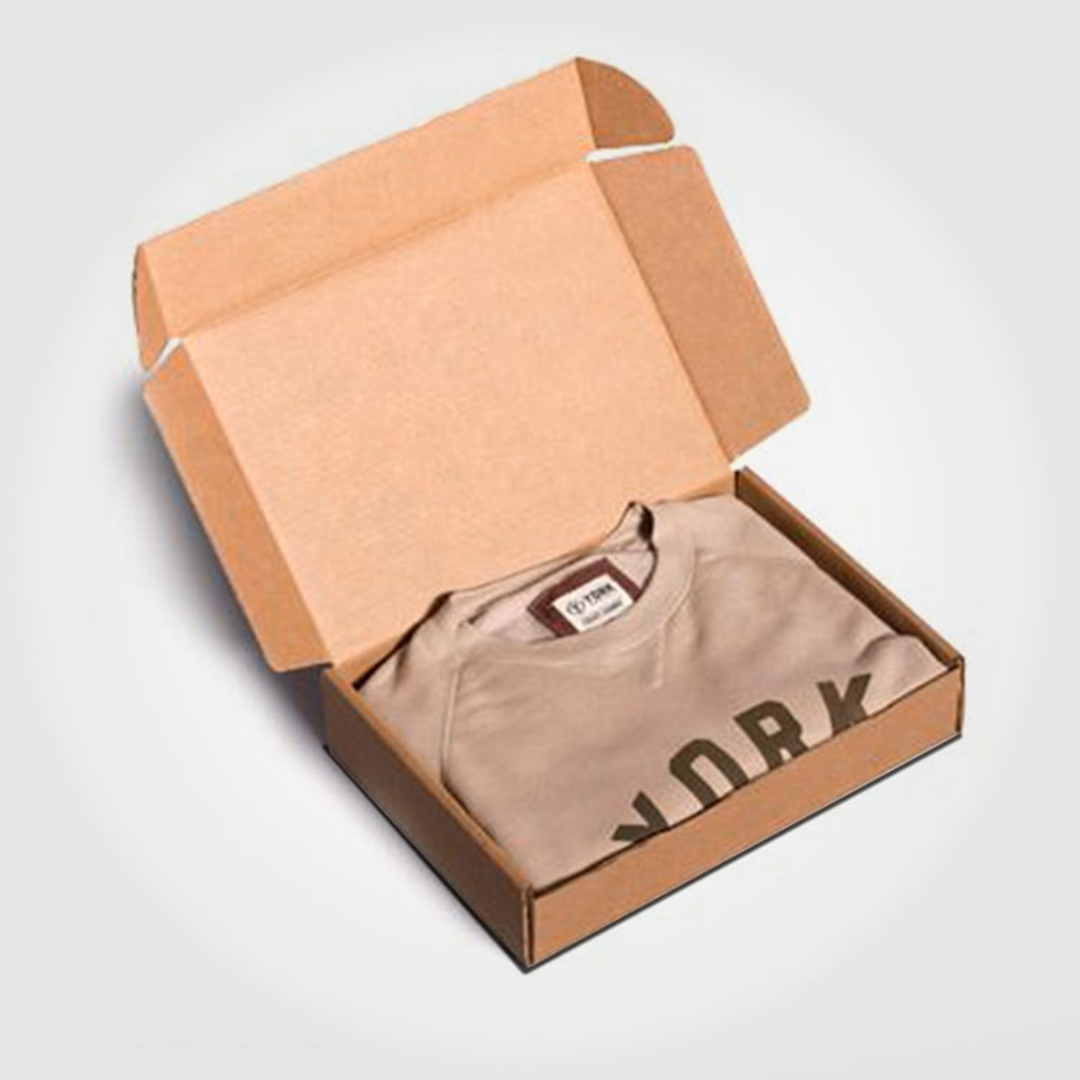
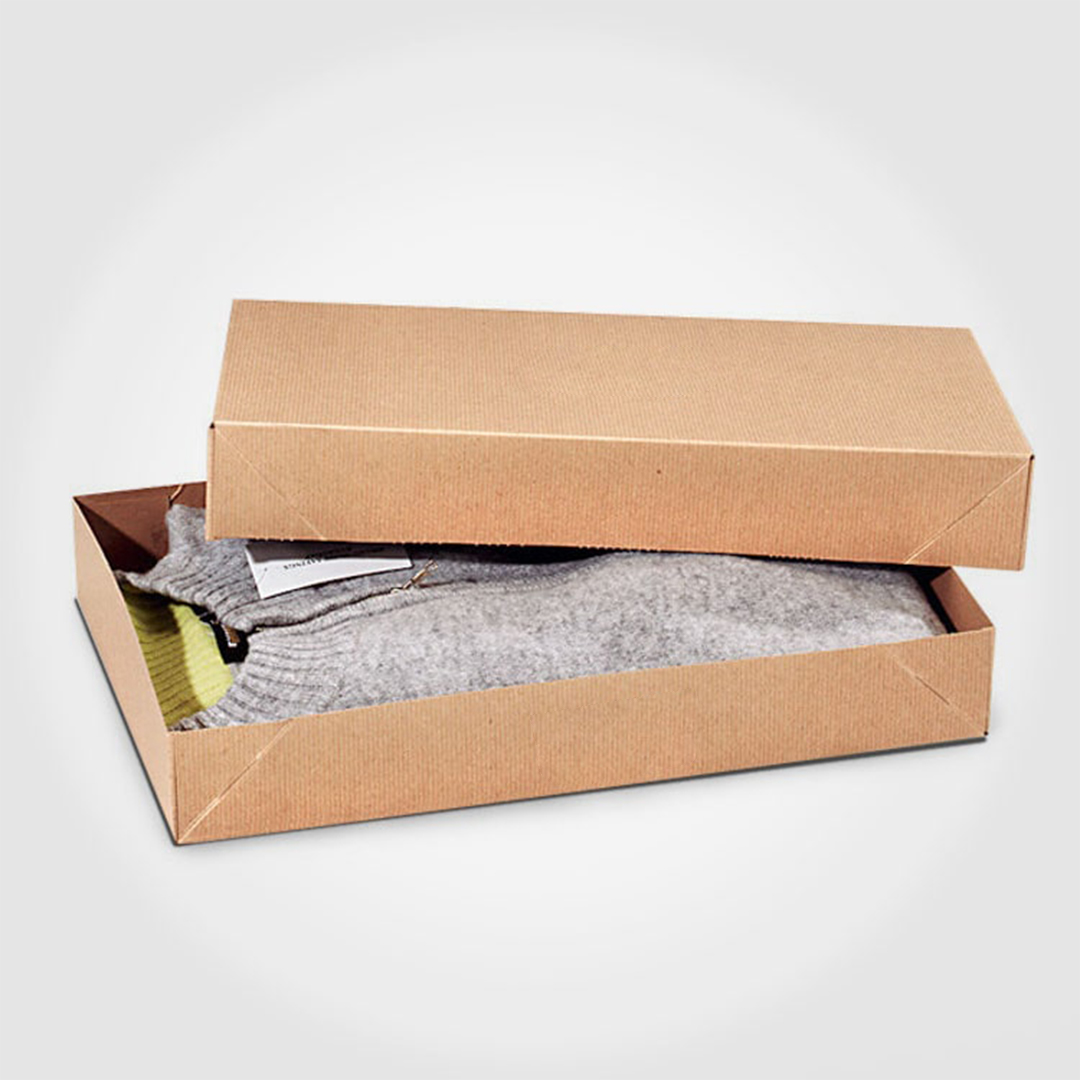
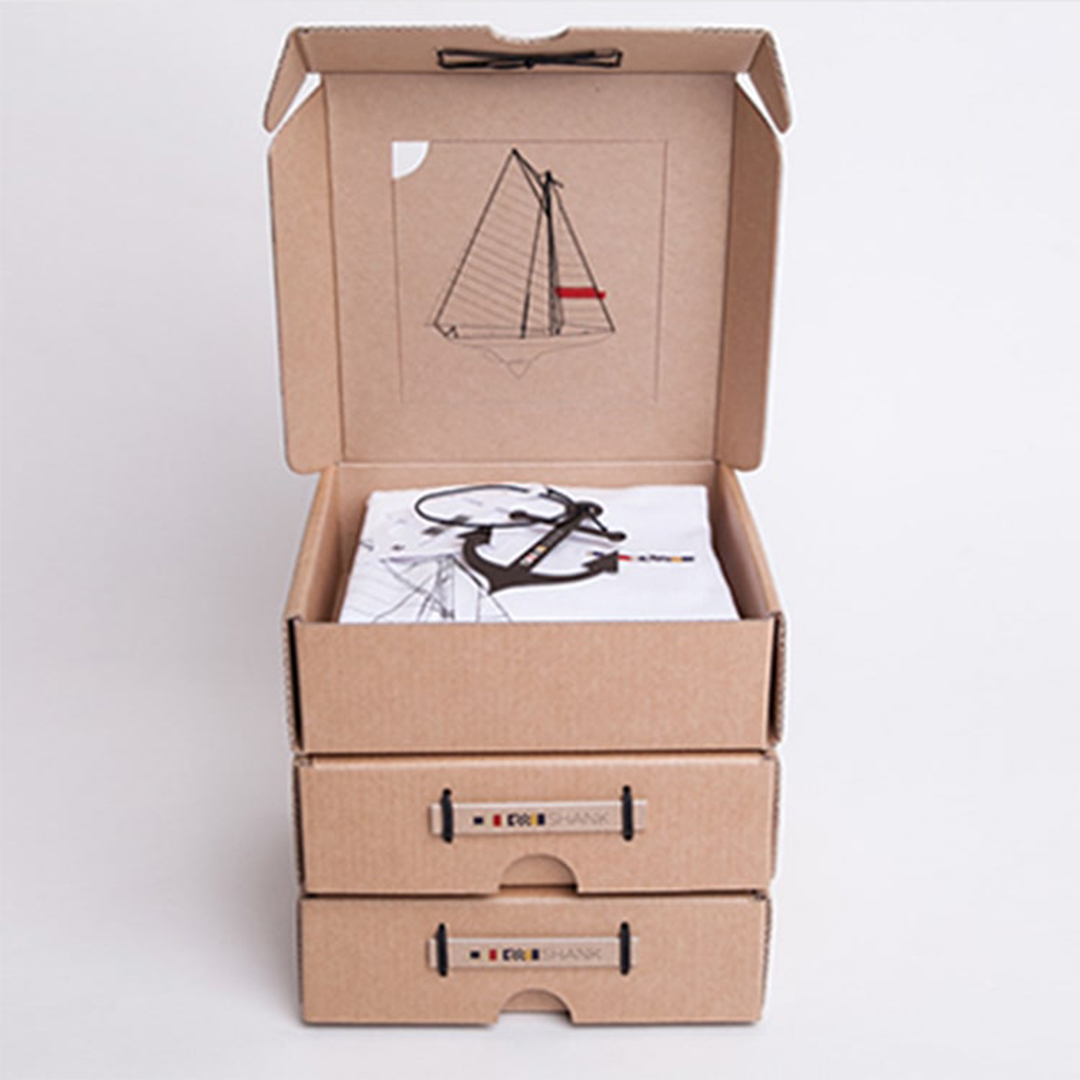
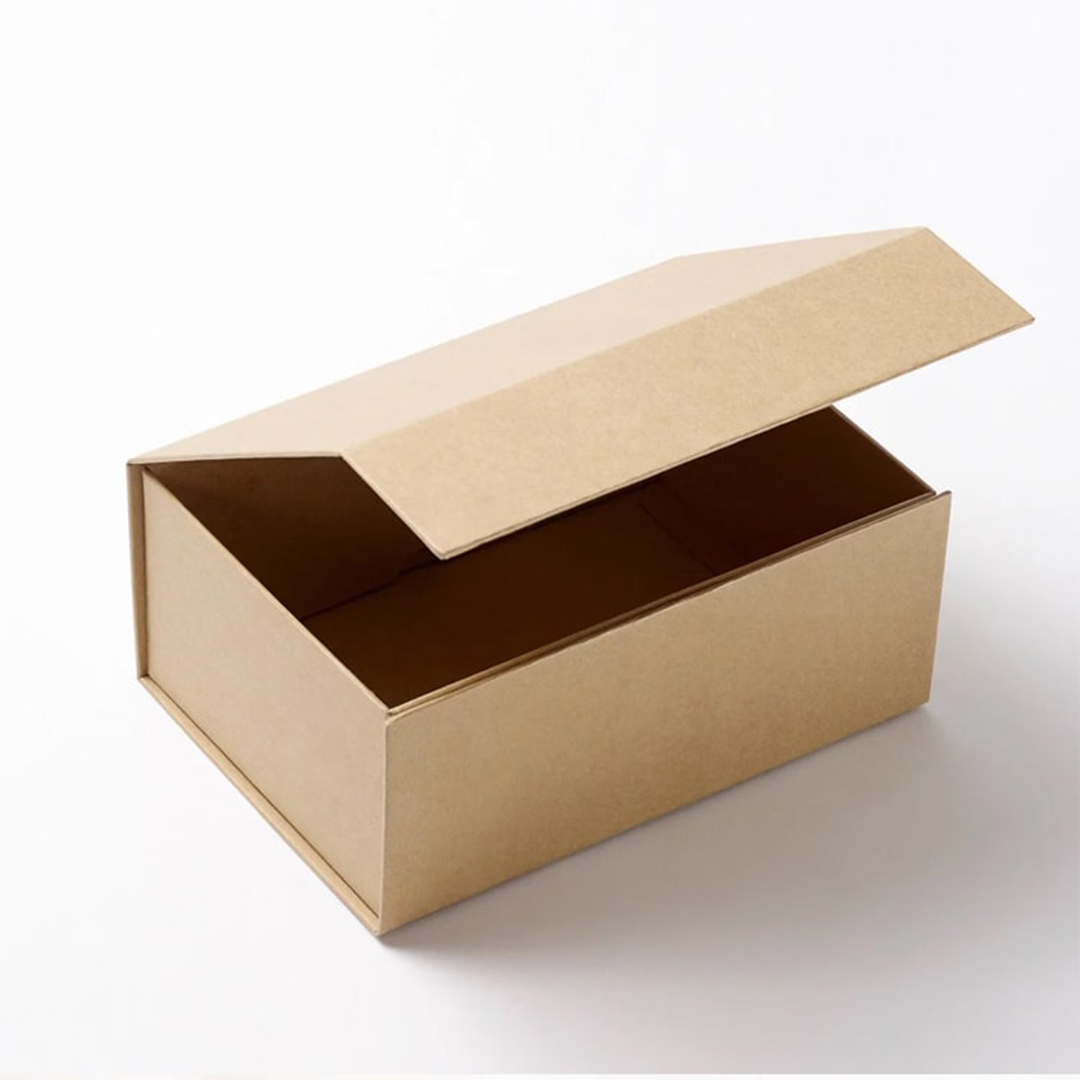
Kraft Clothing Packaging Boxes keep folded apparel tidy, reduce edge crush, and present the brand cleanly during delivery and storage. Many sellers pair Kraft T Shirt Boxes into the same workflow, so tees, polos, and lightwear ship in a consistent format with fewer packing surprises. This is where Kraft clothing packaging boxes for sale make sense for stores that need repeatable sizing, clean folds, and a steady unboxing flow across many orders. We at Kraft Box Pack offer Kraft Clothing Packaging Boxes at wholesale prices, with build options that support retail presentation and shipping handling.
A good clothing box starts with a stable base that stays square when stacked and opened again. The lid should sit flat so the front edge looks even in photos and on shelves. If you are comparing Kraft boxes wholesale options, focus on how well the corners hold shape and how cleanly the box closes after repeated use. Small details like score depth and wrap tension matter because apparel packaging is handled often, from packing tables to delivery routes to customer closets.
What Makes Clothing Packaging Look Premium In Photos
Clothing packaging looks premium when the box stays square, the lid line is straight, and the garment sits centered without shifting. A short definition helps here: Kraft clothing packaging boxes are rigid or semi-rigid packs made to protect folded apparel while keeping the outside presentation calm and consistent. When box depth matches the fold height, the garment lies flat, the lid closes without pressure, and the first view looks organized.
Visual consistency also depends on how the box behaves under stacking. If the base bows or the corners soften, the lid starts to look uneven, and that shows quickly in product photos. Apparel brands also care about how the box feels in hand, because that moment affects perceived quality even before the garment is touched. A reliable clothing box keeps the focus on the product by avoiding loose lids, shifting folds, and corner wear during routine transit.
Quick Points For Apparel Packing Teams
- A square base keeps the lid line clean in shelf rows
- Close-fit depth reduces fold movement inside the box
- Stable corners help avoid soft edges after stacking
- Consistent sizing supports repeat packing routines
- Clean folds keep garments looking sharp at unboxing
Steps To Confirm A Clean Packing Workflow
- Fold one garment to the exact retail fold you use every time
- Measure fold height with tissue or poly wrap included
- Choose a depth that closes without pressing the garment
- Test stacking of filled boxes to watch corner behavior
- Check the lid alignment after several open and closed cycles
| Feature Focus | Details | Material Options | Finishing Choices | Add-ons & Features | Usage/Application |
|---|---|---|---|---|---|
| Fold Control | Keeps apparel flat and centered | Kraft wrap with rigid core | Matte, Gloss | Tissue space planning | Retail apparel |
| Lid Line | Supports a neat front edge | Lift lid or hinged builds | Matte | Edge wrap control | Shelf display |
| Corner Strength | Reduces soft edges in transit | Kraft cardboard Boxes builds | Protective coating | Reinforced base | Shipping |
| Sizing Repeat | Keeps packing consistent | Fixed dielines | Any selected finish | Size sets by SKU | Bulk packing |
| Unboxing Flow | Maintains a clean first view | Rigid or corrugated builds | Spot UV highlights | Printed inserts | Brand drops |
Sizing That Fits Shirts, Hoodies And Fold Lines
Sizing decides how the garment sits, how the lid closes, and how the box looks when stacked in cartons. A clothing box that is too shallow presses the fold and creates lid lift, while a box that is too deep allows the garment to slide and lose its shape. This is why many teams build a size set around their most common fold styles, then adjust only depth for heavier garments like hoodies and knitwear. When buyers search for Kraft clothing packaging boxes review content, the most common praise is about consistent fit and a lid that closes neatly without forcing.
Depth planning also affects shipping efficiency because boxes that stack evenly reduce movement in master cartons. If you use tissue, cards, or a branded insert, those layers should be included in the measurement so the lid line stays straight. Many apparel sellers also keep one footprint and change the inner layout for different products, which helps photography and shelf presentation stay consistent. This approach supports user intent because it reduces packing time, improves presentation, and makes reorders easier.
How Do You Choose Depth For Apparel Stacks Fast
A simple way to choose depth is to measure the folded garment height with all packing layers included, then add a small clearance for easy placement. A clear answer in one breath is useful: choose a depth that lets the lid close flat without compressing the fold, while still limiting the space that causes sliding. This keeps folds clean, prevents lid lift, and helps cartons stack more evenly in shipping.
If you ship mixed apparel, you can set depth ranges by category. Tees and lightwear usually need less depth than hoodies, while bundles need extra space for layered folds. If you want fewer size mistakes, build a packing sample for each category and confirm that the lid closes smoothly after repeated opening. That real test is often more accurate than guessing based on product weight alone.
Quick Points For Fit And Fold Protection
- Fold height should guide depth, not guesswork
- Small clearance helps fast packing and clean placement
- Too much space increases shifting and rumpled folds
- Consistent footprints simplify photography and shelves
- Depth ranges reduce errors across multiple apparel types
Steps To Lock Practical Size Ranges
- Create a standard fold method for each clothing category
- Measure fold height with tissue, cards, and wrap included
- Add clearance that still limits movement inside the box
- Fill and stack boxes to test shape and lid behavior
- Save approved sizes so reorders stay consistent
| Feature Focus | Details | Material Options | Finishing Choices | Add-ons & Features | Usage/Application |
|---|---|---|---|---|---|
| Depth Planning | Prevents lid lift and fold pressure | Rigid core, corrugated core | Matte, Gloss | Depth sets by category | Shirts and hoodies |
| Movement Control | Limits shifting inside cartons | Insert support options | Matte | Divider options | Bundles |
| Stack Efficiency | Supports stable carton layouts | Kraft Corrugated Boxes | Protective coating | Corner buffers | Shipping cycles |
| Fold Cleanliness | Helps garments keep their shape | Kraft wrap layers | Any selected finish | Tissue space | Premium apparel |
| Reorder Ease | Keeps sizes repeatable | Fixed dielines | Any selected finish | SKU-based sizing | Bulk runs |
Brand Printing That Stays Clear On Kraft Tones
Printing on kraft can look sharp when spacing, contrast, and panel alignment are planned around the natural tone. Many brands also use Kraft Apparel Boxes to keep the same visual system across tees, accessories, and seasonal clothing drops. The lid is usually the main display panel, so centered placement and clean margins matter when boxes are stacked or photographed. When customers read Kraft clothing packaging boxes review posts, they often mention whether the branding stays readable after handling and whether the surface shows rub marks in shipping.
Finish selection matters because apparel packaging is touched often, and corners can pick up scuffs in cartons. Coating options include Gloss, Matte, and Spot UV, and those choices can be matched to studio lighting and transit handling. Matte reduces glare and keeps the kraft tone calm, Gloss adds shine and can make colors look stronger, and Spot UV highlights selected design areas like a logo. Support is also available for design and shipping, with custom sizes and styles, fast turnaround times, and high-quality material and printing options.
How Can Logos Stay Centered On Kraft Wrap Areas
Logos stay centered when artwork placement accounts for folds, edges, and lid alignment. A direct answer helps: keep key marks away from hinge lines and score edges, then balance the lid panel so the design looks centered when the box is closed and stacked. This reduces the risk of a logo looking off-center in shelf rows, especially when boxes are displayed side by side.
Kraft tones also soften colors, so contrast and spacing often matter more than heavy ink coverage. If you want clean readability, use a clear hierarchy with larger type and generous margins rather than dense graphics. When boxes move through shipping cartons, protective finishes help reduce surface abrasion that can dull printed areas. Keeping the same dieline and print settings also makes reorders easier, which is useful when clothing drops repeat across seasons.
Quick Points For Clean Branding On Kraft
- Treat the lid as the primary presentation panel
- Keep key marks away from folds and hinge lines
- Use spacing and contrast for readability on Kraft
- Choose finishes based on handling and transit exposure
- Lock dielines so reorders match previous runs
Steps To Keep Print Results Consistent
- Mark safe zones on the lid and side panels before designing
- Keep small text away from edges that may scuff in cartons
- Choose Matte, Gloss, or Spot UV based on use conditions
- Review proofs under normal and studio lighting
- Save print settings for future drops and reorders
| Feature Focus | Details | Material Options | Finishing Choices | Add-ons & Features | Usage/Application |
|---|---|---|---|---|---|
| Panel Readability | Keeps branding clear in photos | Kraft wrap with print layer | Matte, Gloss | Inside print option | Apparel launches |
| Surface Control | Limits rub that dulls ink | Protective coatings | Anti-scratch | Corner buffers | Shipping |
| Logo Contrast | Highlights key marks without heavy ink | Kraft + underlayer options | Spot UV | Foil accent option | Premium drops |
| Reorder Matching | Keeps repeat runs consistent | Fixed dielines | Any selected finish | QC references | Seasonal reorders |
| Shelf Consistency | Looks aligned in rows | Stable lid builds | Matte | Edge wrap control | Store display |
Shipping Strength With Mailer And Lid Style Choices
Shipping needs change depending on whether the clothing box travels in a mailer carton, sits on a shelf, or is handed over in-store. Many sellers compare Kraft Mailer Boxes wholesale options when they need stronger edge protection for direct-to-customer delivery, while others choose Kraft boxes with lids for a cleaner retail look and easy reuse. The right build depends on garment weight, stacking pressure, and how often the box is handled during fulfillment. When clothing packaging is shipped frequently, structure and carton layout often matter more than decorative add-ons.
For heavier apparel bundles, Kraft Corrugated Boxes can add extra protection and reduce crushing during transit, while Kraft Cardboard Boxes can support a smoother retail feel for lighter items. If you sell clothing packaging boxes for sale through online channels, consider how boxes behave under stacking and whether corners show rub marks after transit. A stable box helps maintain presentation on arrival, which reduces returns caused by crushed corners and messy folds.
Which Build Works Best For Delivery And Storage
The best build is the one that matches handling conditions without adding unnecessary bulk. A clear answer is helpful: choose corrugated support when the box travels frequently and faces stacking pressure, and choose a rigid or lid-style build when retail presentation and reuse are the priority. This keeps the garment protected while maintaining a neat look on arrival.
Storage also matters because apparel boxes are often kept for organization. A box that stays square supports closet stacking and keeps lids aligned. If you ship in master cartons, correct sizing reduces movement and helps corners stay clean. When you combine a stable build with a finish that reduces scuffs, you improve both delivery condition and shelf presentation without changing the fold method.
Quick Points For Shipping And Storage Decisions
- Corrugated support helps when the stacking pressure is high
- Lid styles improve retail presentation and reuse value
- Correct sizing reduces movement and corner rub in cartons
- Finish choice affects how scuffs show on kraft surfaces
- Stable corners protect the unboxing look on arrival
Steps To Match Structure With Real Delivery Use
- List how the box will be handled from packing to delivery
- Confirm whether cartons will stack under the weight in transit
- Choose build strength based on garment weight and bundling
- Test filled boxes in a master carton for movement and rub
- Confirm surface protection choices for repeated handling
| Feature Focus | Details | Material Options | Finishing Choices | Add-ons & Features | Usage/Application |
|---|---|---|---|---|---|
| Delivery Strength | Helps reduce edge crush in transit | Kraft Corrugated Boxes | Protective coating | Corner buffers | E-commerce |
| Lid Presentation | Supports a clean retail look | Kraft boxes with lids built | Matte | Ribbon pull option | In-store |
| Carton Fit | Limits movement and rubbing | Fixed footprints | Any selected finish | Packing guides | Bulk shipping |
| Weight Support | Handles bundled garments | Thicker board options | Matte | Reinforced base | Hoodies |
| Storage Value | Stacks well in closets | Stable box walls | Matte | Inner liner option | Reuse |
Kraft Clothing Packaging Boxes Wholesale Buying Guide
Bulk ordering works best when a single approved structure stays consistent across sizes, finishes, and repeat campaign drops. Many apparel teams keep Custom Kraft Boxes as their reference point for dielines, size sets, and finish matching, so reorders arrive with the same feel and the same presentation. This is where Kraft boxes wholesale planning becomes practical, because you can lock one footprint, adjust depth by garment type, and keep print placement steady across seasons. When customers searchfor Kraft clothing packaging boxes for sale, consistent appearance across runs often matters as much as price.
Kraft clothing packaging boxes review discussions usually come down to a few real points: does the lid close cleanly, do corners hold shape, do folds stay neat on arrival, and does the surface resist scuffs? Wholesale buyers also watch packing speed, because high-volume fulfillment needs a routine that staff can repeat without rechecking measurements each time. If you plan inserts or cards, build them into sizing early so the lid closes flat without pressure. This reduces surprises during production and helps keep the same unboxing experience across many orders.
What Buyers Ask In A Clothing Packaging Review
Buyers often ask whether the box keeps its shape after stacking, whether the lid line stays even, and whether the garment remains centered without sliding. A direct answer helps: a good clothing box holds the fold flat, keeps corners firm, and closes without forcing, so the unboxing looks clean even after transit handling. Those points matter because they affect photos, returns, and how customers perceive the brand.
They also ask about finish durability and how quickly the surface shows marks during shipping. Matte can reduce glare and hide small rub marks, Gloss can make printed areas look stronger, and Spot UV adds contrast on selected design elements. Buyers also ask about reorder consistency, because apparel drops repeat and packaging needs to match across seasons. When dielines and finish settings remain stable, reorders become easier and the brand presentation stays consistent.
Quick Points That Help Bulk Orders Stay Predictable
- Lock size sets so reorders match without adjustment
- Confirm lid alignment after repeated opening and closing
- Choose finishes based on handling and shipping conditions
- Test carton layouts to reduce corner rubbing in transit
- Keep print zones consistent for shelf and photo alignment
Steps To Set A Reliable Wholesale Packaging System
- Approve one structure and keep it unchanged across runs
- Build a size set by garment category and fold method
- Confirm finishes that match handling and studio lighting needs
- Test filled boxes in cartons for rub and movement control
- Save proofs and settings so the next run matches the last
| Feature Focus | Details | Material Options | Finishing Choices | Add-ons & Features | Usage/Application |
|---|---|---|---|---|---|
| Wholesale Repeat | Keeps reorders consistent across seasons | Fixed dielines | Any selected finish | QC references | Apparel drops |
| Cost Control | Size and finish decisions guide pricing | Kraft cardboard Boxes builds | Matte, Gloss | Standard size sets | Budget planning |
| Packing Speed | Supports repeat routines at scale | Stable lid builds | Matte | Insert guides | Fulfillment |
| Surface Durability | Reduces scuffs during handling | Protective coatings | Anti-scratch | Corner buffers | Shipping |
| Brand Consistency | Keeps visuals aligned in photos | Print layers | Spot UV | Inside print option | Marketing shoots |